01Essay
Working reference
Working reference
Editions & access
The last edit is the edition.
A finished manuscript still has to become a book someone can move through. Format is part of that encounter.
2 sources · Source-based entryChapter Ledger / 74 entries
An indexed shelf of books, writing, publishing and the choices between a sentence and its reader.
Subject dates refer to works or events. This edition was prepared in September 2026. Undated guidance is grouped separately. With JavaScript off, every entry remains below.
74 entries
Try a broader phrase or use Clear filters to return to the complete shelf.
Editions & access
A finished manuscript still has to become a book someone can move through. Format is part of that encounter.
2 sources · Source-based entry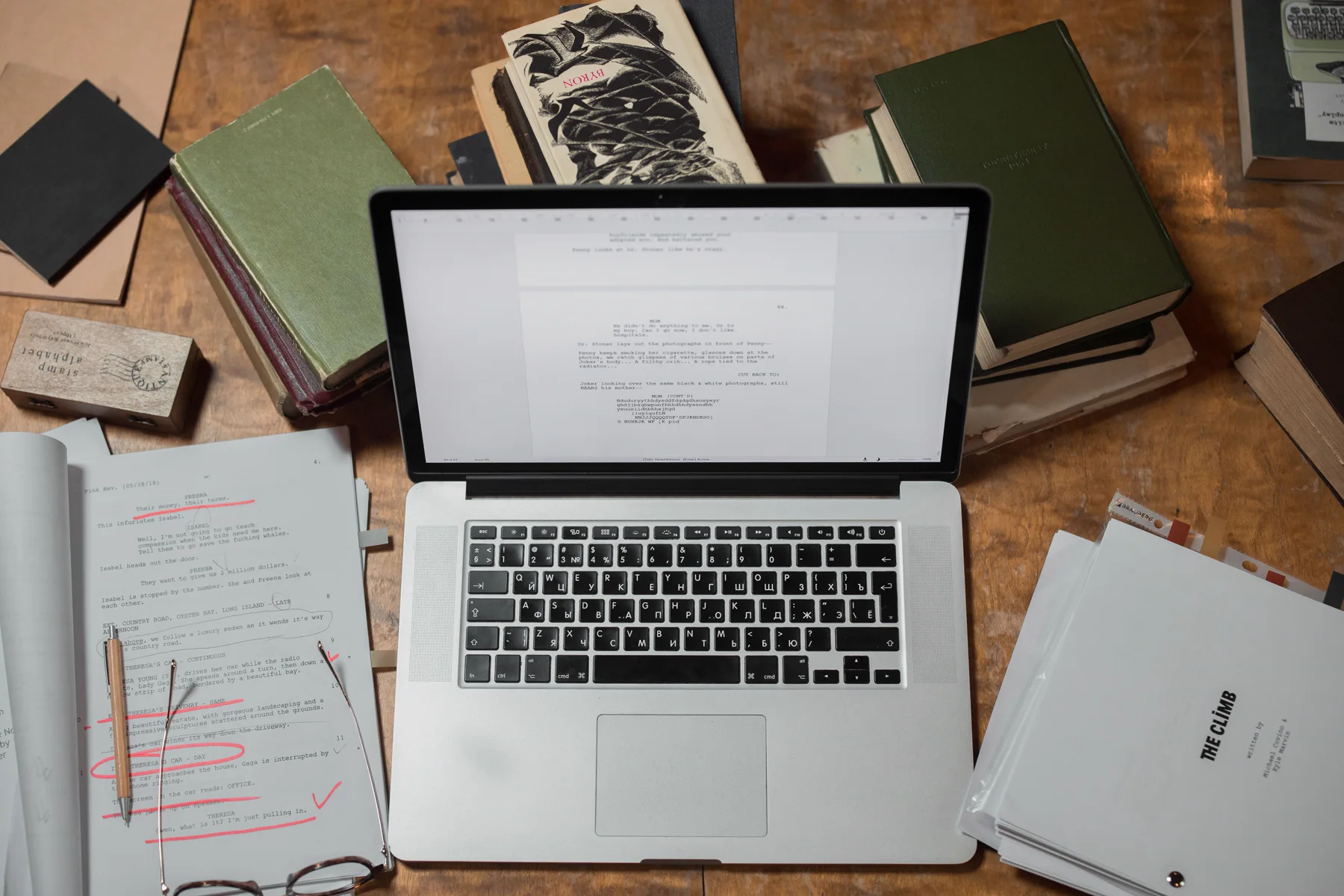
Writing practice
When tools help shape a draft, a small working ledger can preserve the sources, choices, and responsibilities the prose leaves out.
2 sources · Source-based entry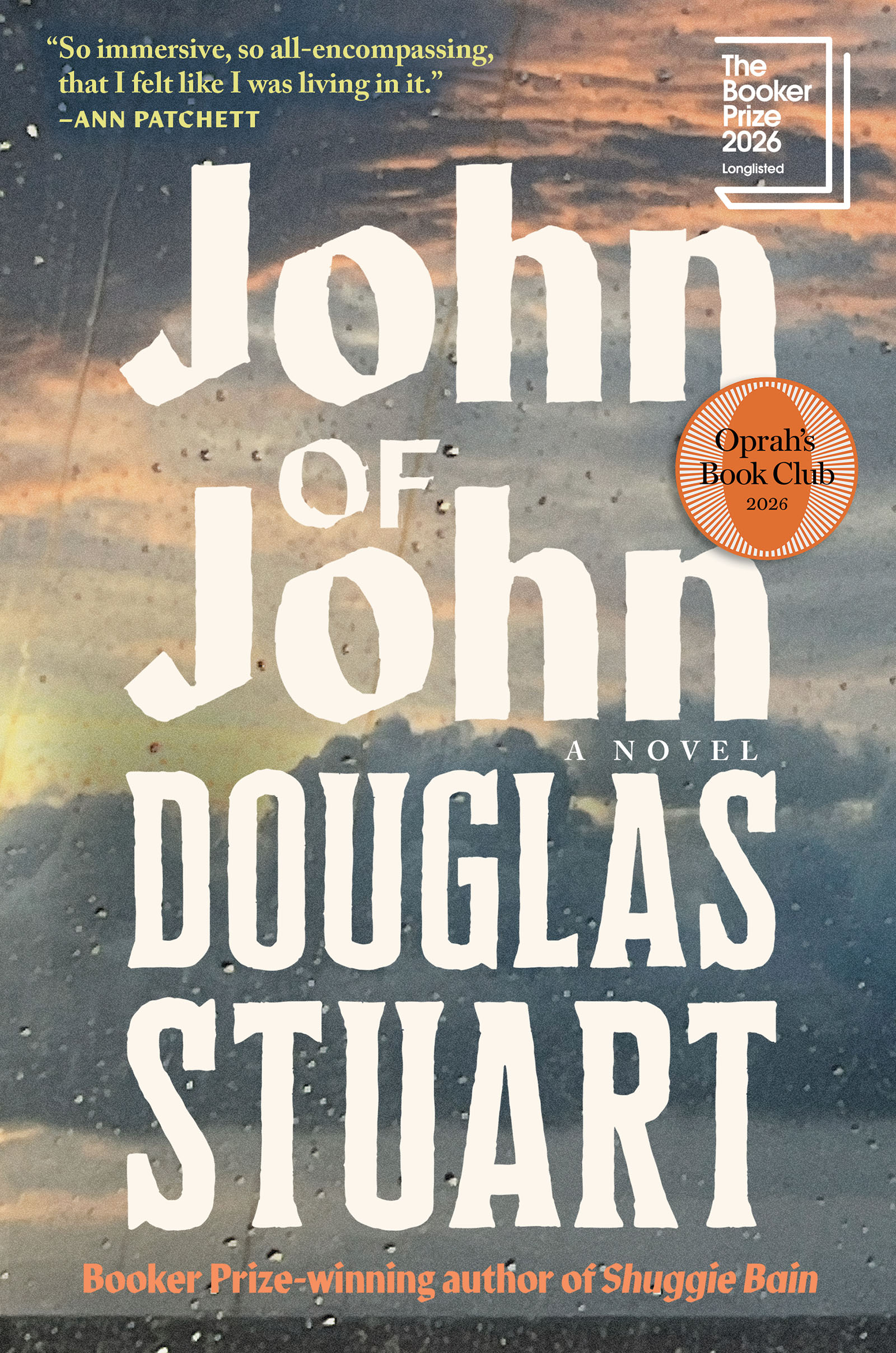
Literary culture
Thirteen novels occupy the reading table. With the shortlist still ahead, the useful task is to understand what this selection includes—and what a prize list cannot tell us.
2 sources · Source-based entry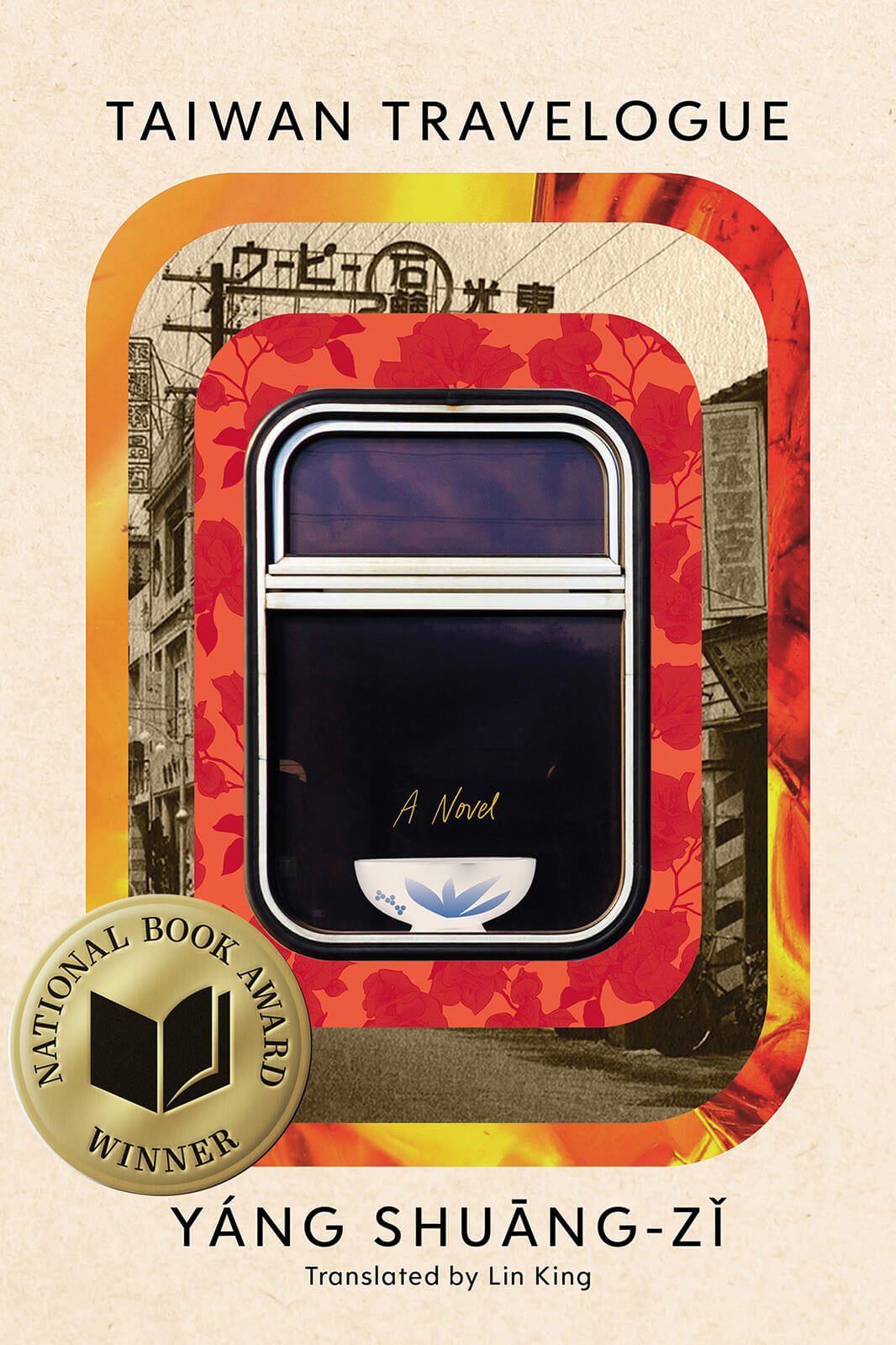
Literary culture
Yáng Shuāng-zǐ and translator Lin King won the 2026 International Booker Prize. The announcement is also an occasion to notice how an English-language edition identifies the work of translation.
2 sources · Source-based entry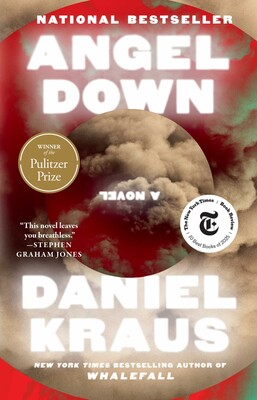
Literary culture
Daniel Kraus’s novel won the 2026 Pulitzer Prize for Fiction. Its single-sentence form is part of the official citation; the critical work begins with what that form does on the page.
2 sources · Source-based entry
AI & authorship
The Authors Guild opened its certification program to authors whose books are published in the United States. The useful distinction is between a recorded declaration of origin and a judgment of literary quality.
2 sources · Source-based entry AI illustration
AI & authorship
The U.S. Copyright Office’s January 2025 report addresses AI output and human authorship. Its central distinction is useful to writers, but it does not turn a production checklist into a legal ruling.
2 sources · Source-based entry AI illustration
AI & authorship
The government’s March 2026 report moved away from its previously preferred broad exception with opt-out. Its stated evidence gaps deserve to remain visible in publishing coverage.
2 sources · Source-based entry AI illustration
Publishing business
AAP’s August 2026 release estimates U.S. publishing revenue for 2025 at $33.4 billion. That headline describes an industry total; it does not describe the earnings of a typical writer.
1 source · Source-based entry AI illustration
AI & authorship
Authorship declarations can clarify origin. They cannot take over the work of a reviewer, a fact-checker or a reader. Keeping those judgments separate gives each a more useful job.
2 sources · Editorial opinion AI illustration
Editions & access
A practical method for assigning identifiers to editions and formats without confusing an ISBN with copyright or a barcode.
2 sources · Source-based entry AI illustration
Publishing business
A handoff method for consistent trade metadata, separating stable product facts from promotional copy.
1 source · Source-based entry AI illustration
Publishing business
A method for choosing honest subject headings that describe the book’s central reader promise.
1 source · Source-based entry AI illustration
Editions & access
How to make EPUB navigation usable after reading systems strip decoration, and when page lists and landmarks help.
1 source · Source-based entry AI illustration
Editions & access
A production check for assessing an EPUB as a connected reading experience and communicating the access it actually offers.
1 source · Source-based entry AI illustration
Editions & access
A field method for choosing concise alternative text or a longer explanation according to what an image contributes.
1 source · Source-based entry AI illustration
Editions & access
A physical-proof inspection pass for print-on-demand books, focusing on repeated faults visible only in sequence.
1 source · Source-based entry AI illustration
Editions & access
A guide to typographic choices that remain meaningful when readers change font, size, margins, device, or orientation.
1 source · Source-based entry AI illustration
Publishing business
A decision worksheet for KDP Select ebook exclusivity that avoids claims about discovery or income.
1 source · Source-based entry AI illustration
Publishing business
A non-prescriptive way to compare discounts and return settings by tracing who pays and what happens after stock returns.
1 source · Source-based entry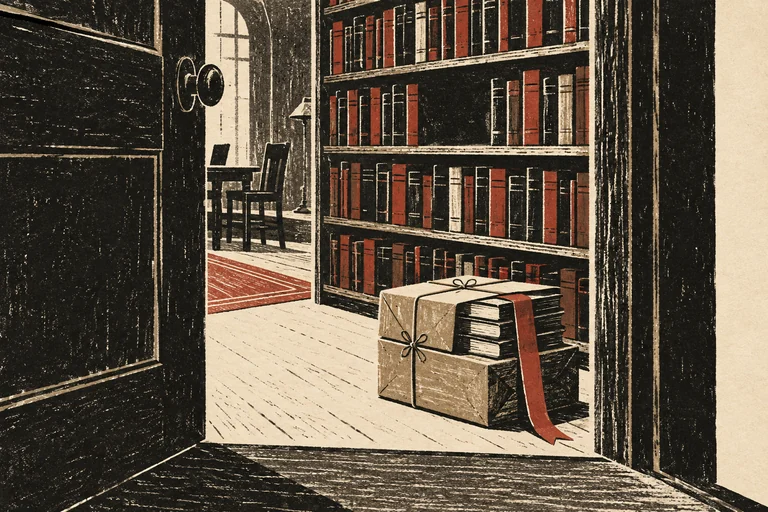 AI illustration
Publishing business
How to approach library availability as an access and metadata question without confusing listing with local selection.
1 source · Source-based entry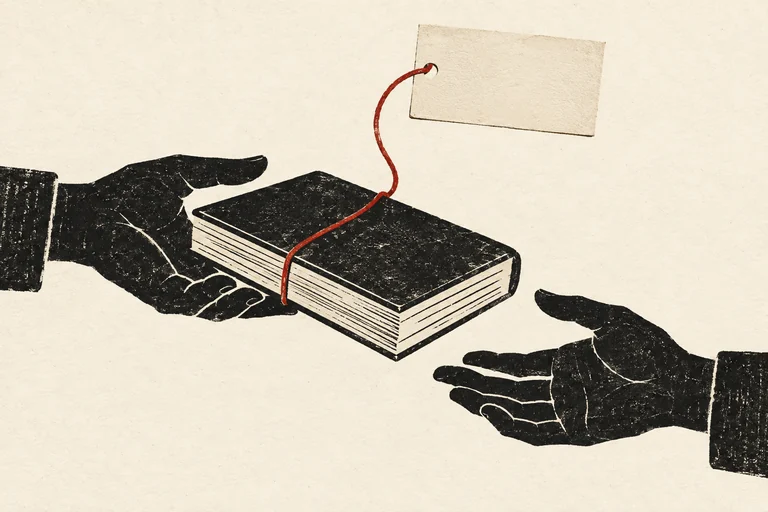 AI illustration
Literary culture
A protocol for advance copies and reviews that protects independent judgment and visible disclosure.
1 source · Source-based entry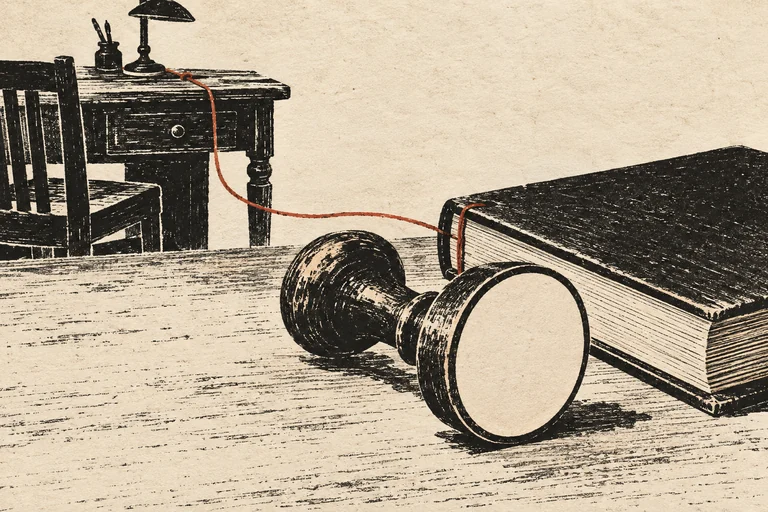 AI illustration
Publishing business
A practical way to decide what an imprint will name, who answers for it, and how that identity remains consistent across editions.
1 source · Source-based entry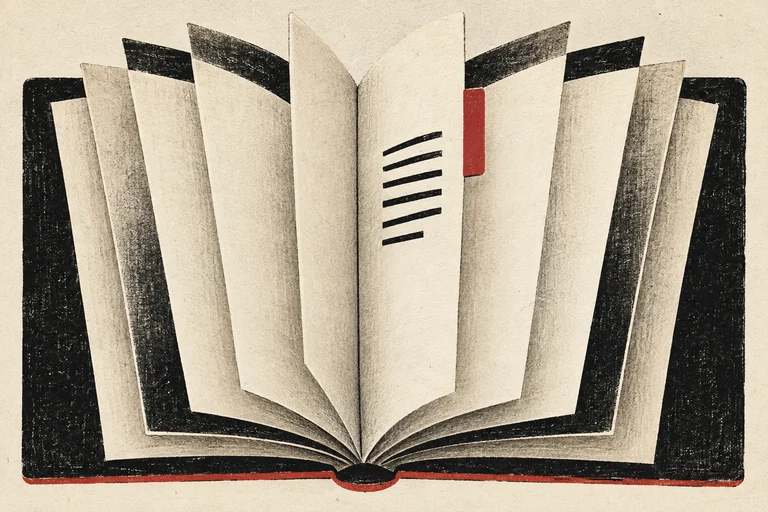 AI illustration
Editions & access
A restrained method for compiling a copyright page from verified publication facts, avoiding claims a publisher cannot support.
1 source · Source-based entry AI illustration
Publishing business
How to make a preorder record that distinguishes a planned release from a finished file and gives readers accurate expectations.
1 source · Source-based entry AI illustration
Publishing business
A small operational handoff for selling a book directly while retaining accurate inventory, tax, privacy, and reader-service records.
1 source · Source-based entry AI illustration
Editions & access
A repeatable credit and production sheet for audiobooks that makes performances, rights, editions, and corrections traceable.
1 source · Source-based entry AI illustration
Writing practice
A practical translation handoff that preserves scope, terminology, voice decisions, and review responsibility without claiming that a fluent draft is publication-ready.
1 source · Source-based entry AI illustration
Publishing business
A scope sheet for editors, designers, illustrators, and researchers that turns a vague creative commission into a workable handoff.
1 source · Source-based entry AI illustration
Editions & access
A practical ledger for quotations, images, maps, lyrics, data, and other third-party material that makes unresolved rights visible before release.
1 source · Source-based entry AI illustration
Editions & access
How to correct a published error without making the publication history unreadable or confusing readers about which version they hold.
1 source · Source-based entry AI illustration
Publishing business
A controlled method for carrying a legitimate product correction through the systems that display a book to readers and trade partners.
1 source · Source-based entry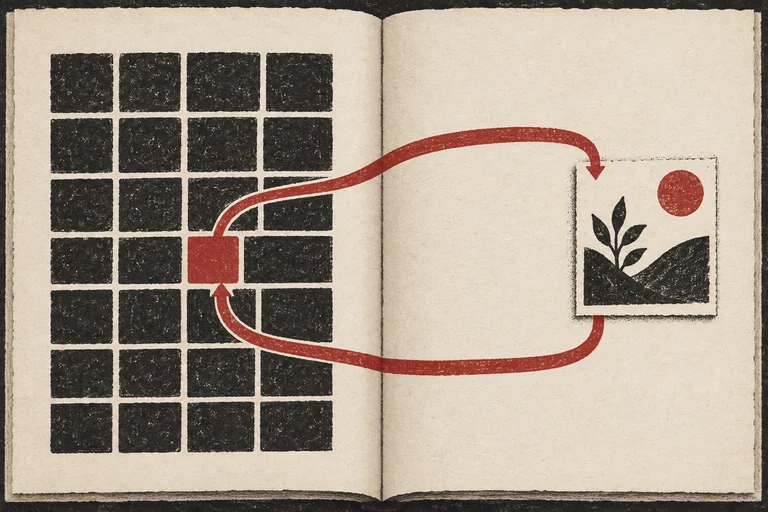 AI illustration
Editions & access
A test for footnotes, endnotes, tables, and cross-references that makes their information reachable in reflowable and assistive reading.
1 source · Source-based entry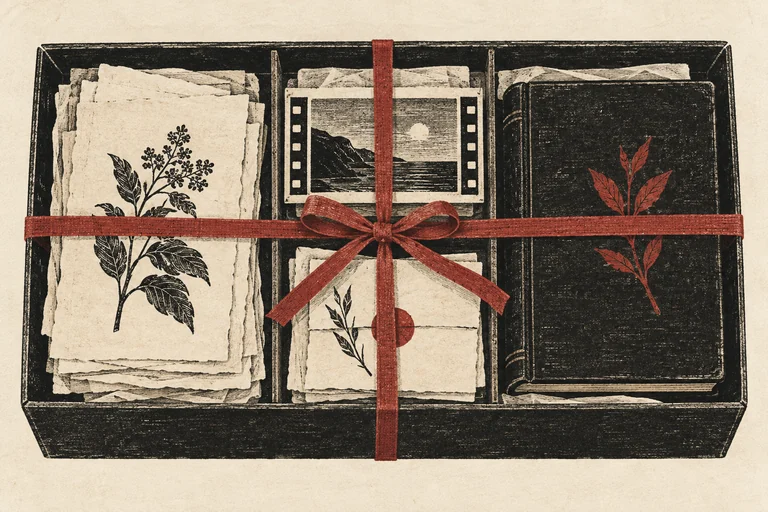 AI illustration
Editions & access
A preservation method for retaining the files and records needed to explain, correct, or remake a publication years after release.
1 source · Source-based entry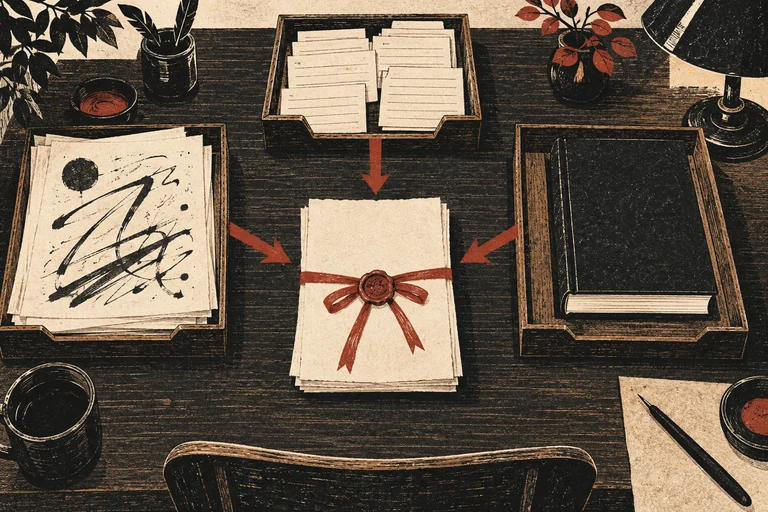 AI illustration
Writing practice
Compare writing, research and production tools by the work they preserve, the file they hand over, and the checks a finished book still needs.
58 sources · Source-based entry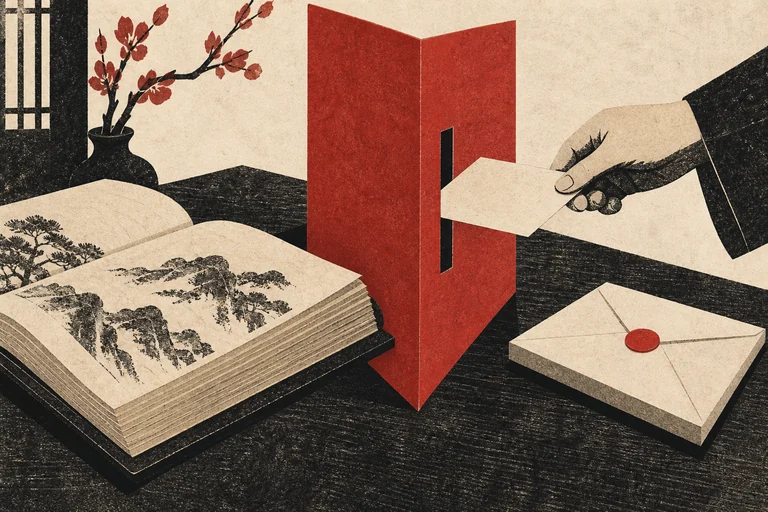 AI illustration
AI & authorship
A per-project method for deciding what a tool generated, what may be shared with it, and what a publisher or retailer needs to know.
2 sources · Source-based entry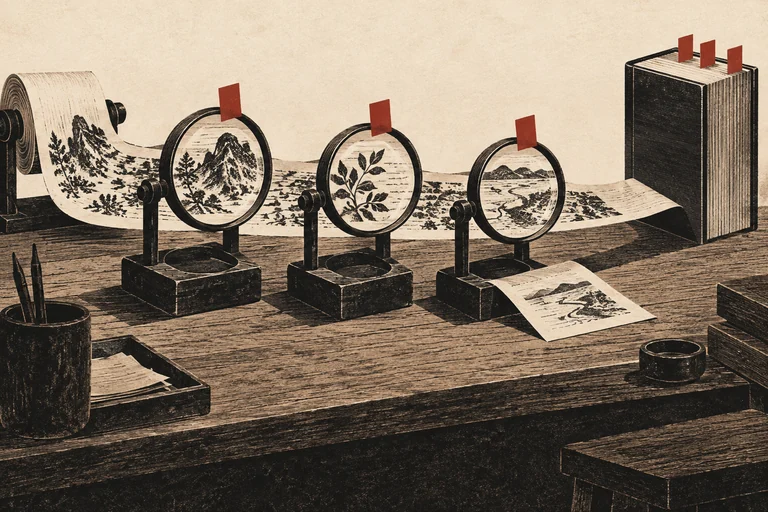 AI illustration
Writing practice
A sequence of review decisions that makes research, editorial approval, files, metadata, and corrections visible before release.
1 source · Source-based entry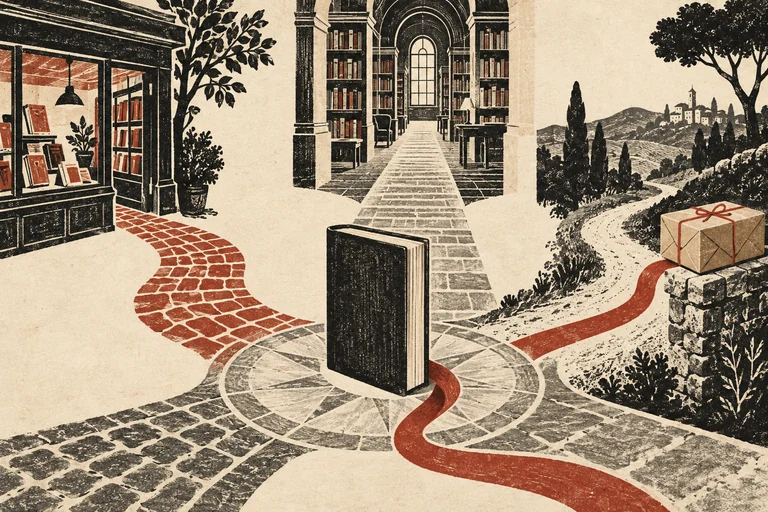 AI illustration
Publishing business
How to compare direct, retail, wholesale, and partner-led publication without collapsing reach, rights, margin, and responsibility into one claim.
2 sources · Source-based entry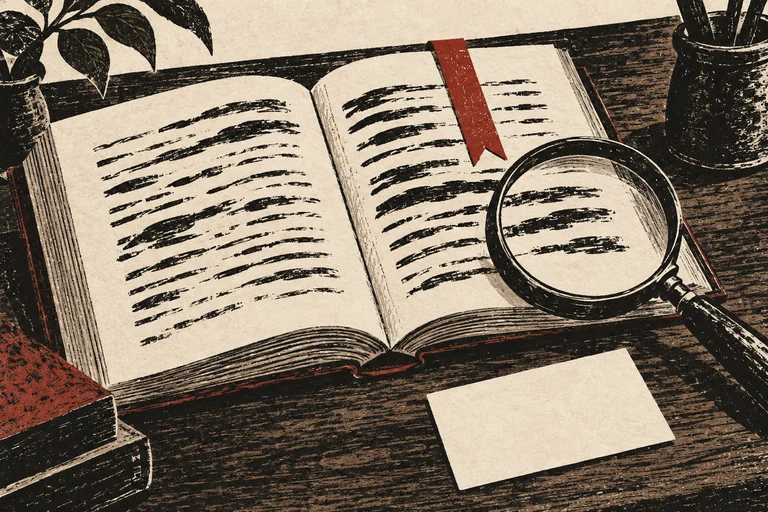 AI illustration
Literary culture
A way to review books with specific evidence, clear audience fit, and visible relationships instead of manufactured certainty.
1 source · Source-based entry AI illustration
Publishing business
A small launch plan that connects a reader’s first encounter with a truthful next step, rather than treating attention as an outcome by itself.
1 source · Source-based entry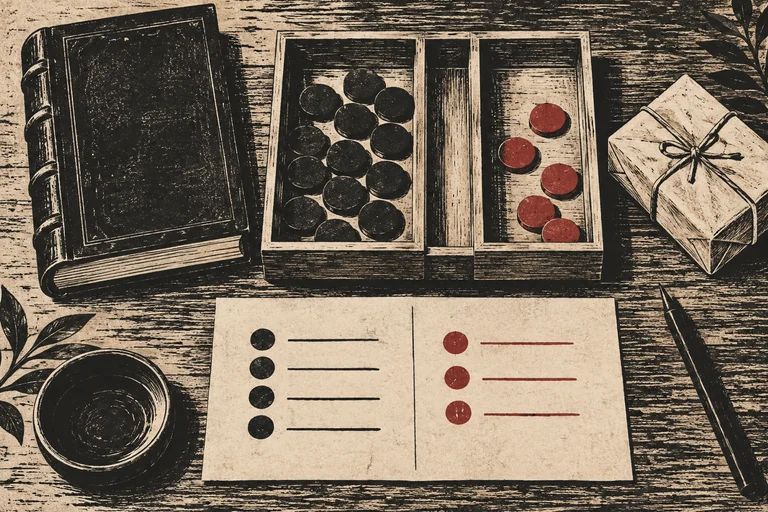 AI illustration
Publishing business
A transparent way to model publishing costs without treating a royalty percentage, a sales target, or an industry average as a prediction.
1 source · Source-based entry AI illustration
Publishing business
A pre-payment method for comparing editorial, production, distribution, and promotional services without mistaking a package for a publishing outcome.
1 source · Source-based entry AI illustration
Publishing business
The Authors Guild’s 2023 survey concerns earnings in 2022. Its medians are useful only when the group being measured stays attached to the number.
1 source · Source-based entry AI illustration
AI & authorship
A 2025 paper tests AI-text detectors outside familiar conditions. Its findings support a careful distinction between a statistical classification and evidence about how a particular manuscript was made.
1 source · Source-based entry AI illustration
AI & authorship
Doshi and Hauser’s experiment separates individual evaluations from diversity across stories. That distinction is more useful than a general claim that AI makes writers either creative or uncreative.
2 sources · Source-based entry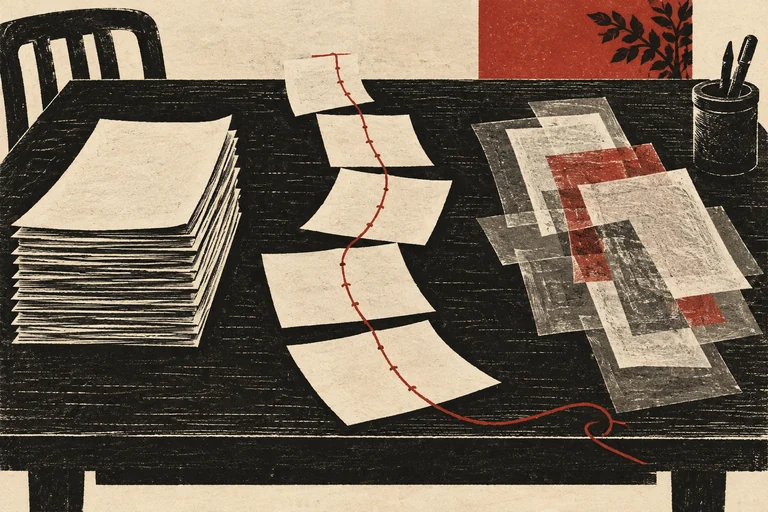 AI illustration
Editions & access
A manuscript archive can offer physical order, reconstructed notebook order and narrative order. The Shelley-Godwin Archive makes those different routes visible rather than pretending they are interchangeable.
1 source · Source-based entry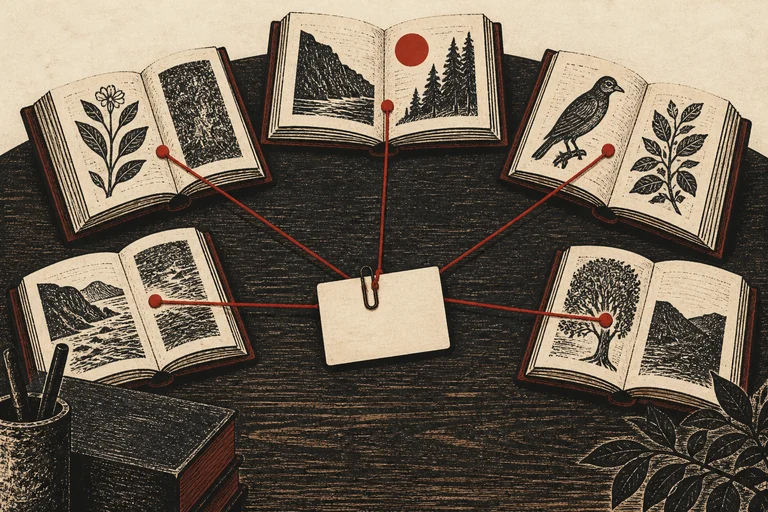 AI illustration
Writing practice
Collections and tags solve different problems. A practical source library keeps the identity of a document stable while allowing it to appear wherever the manuscript needs it.
1 source · Source-based entry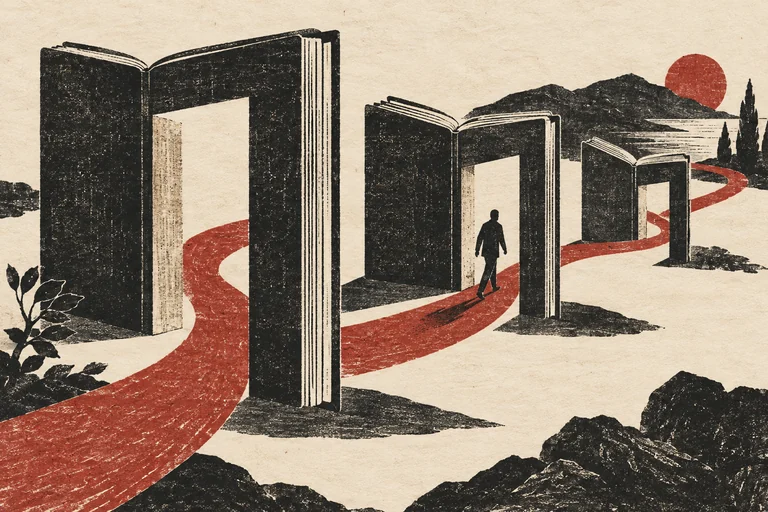 AI illustration
Story & form
Read the beginnings of Bartleby, The Yellow Wallpaper and The Sisters together. Each makes access to another person’s experience a problem of narrative form.
3 sources · Source-based entry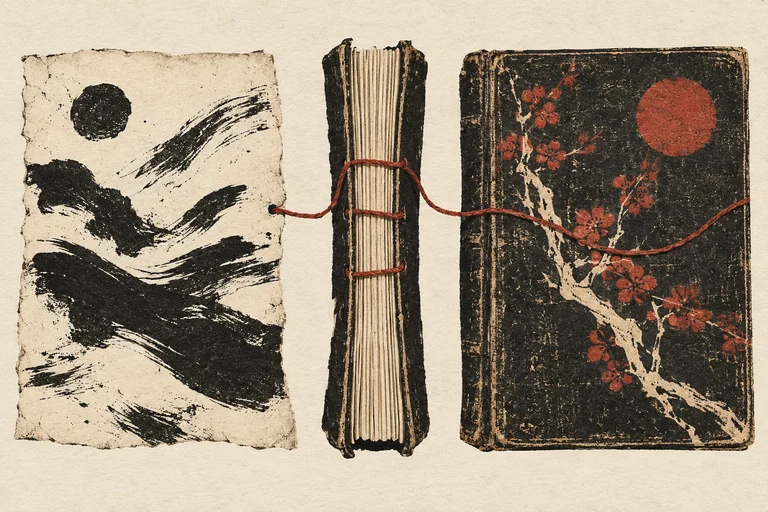 AI illustration
Editions & access
Three kinds of record help a literary note stay precise: a readable text, an edition history and a physical object record. Use each for the question it can answer.
3 sources · Source-based entry AI illustration
AI & authorship
Retailer disclosure, copyrightability, certification and evidence about detection belong on different shelves. This short reference route helps a writer consult the right source before answering.
4 sources · Source-based entry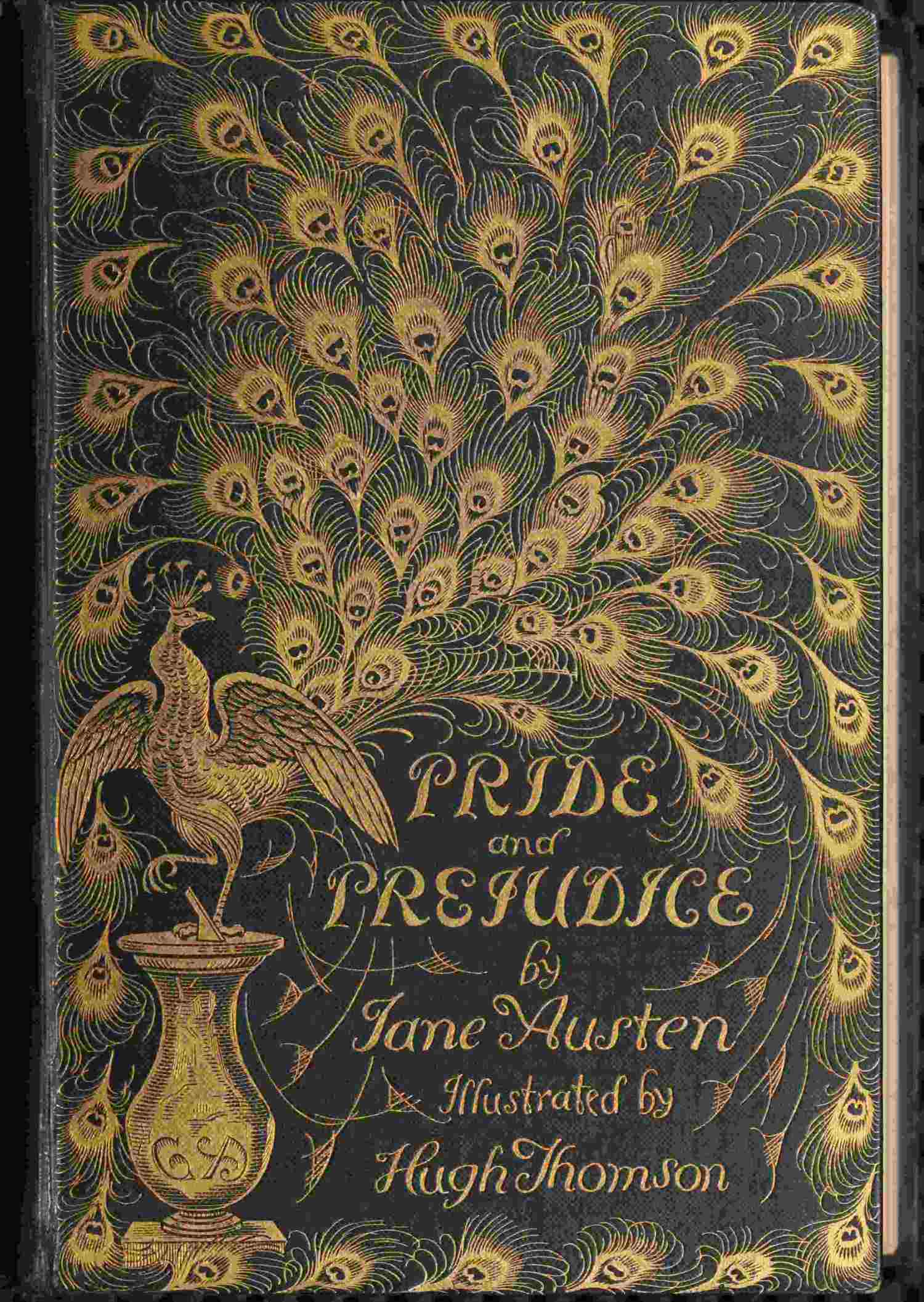
Story & form
Jane Austen makes Darcy's letter do more than supply facts: its order changes the terms on which Elizabeth, and the reader, can trust a previous scene. The letter is read in Chapter 35 and its difficult rereading occupies Chapter 36.
1 source · Passage study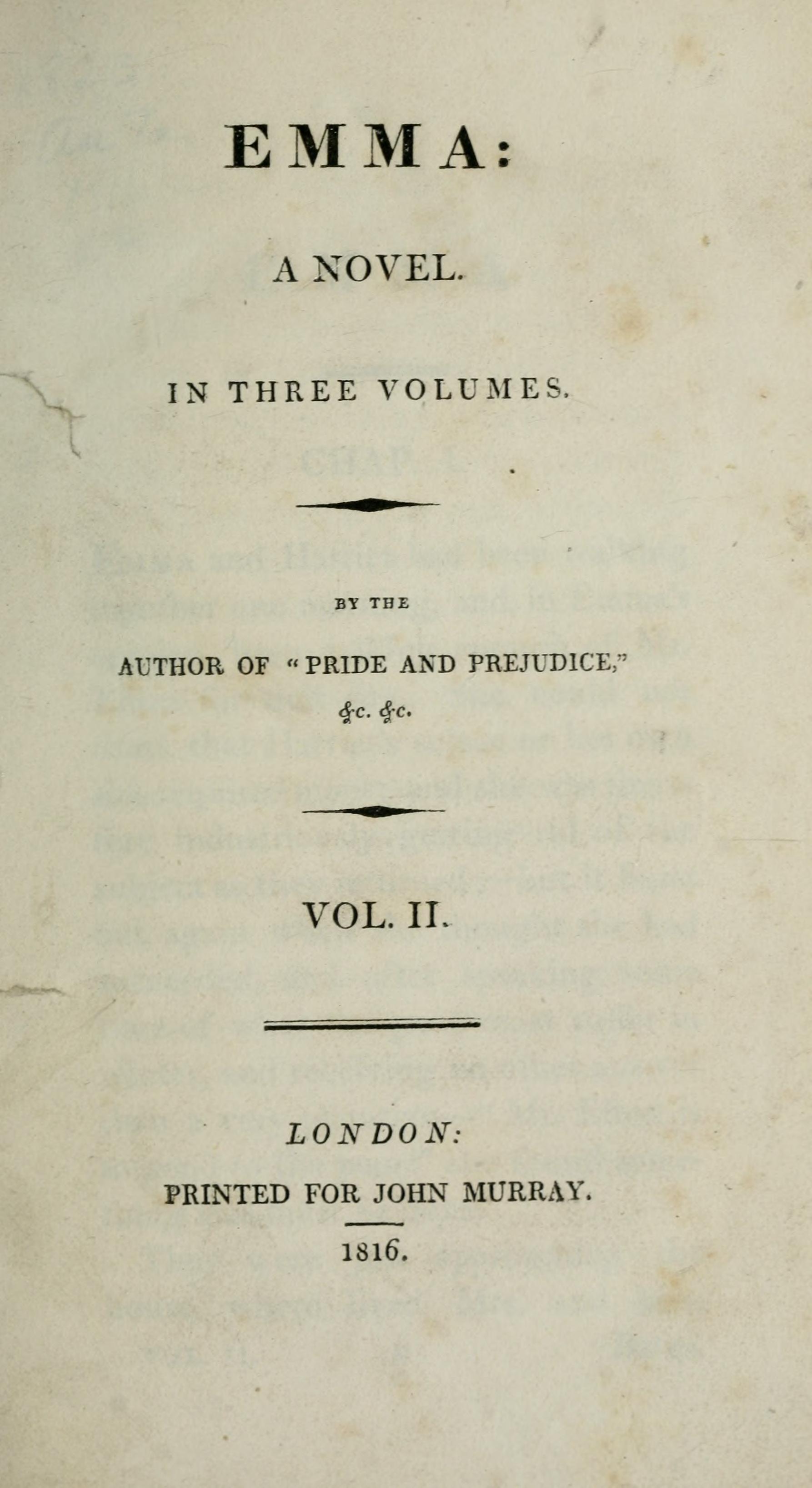
Story & form
At Box Hill, Austen lets a single clever remark expose Emma's habit of treating a social field as material for her own amusement. The aftermath shows how a rebuke earns force by naming an injury precisely.
1 source · Passage study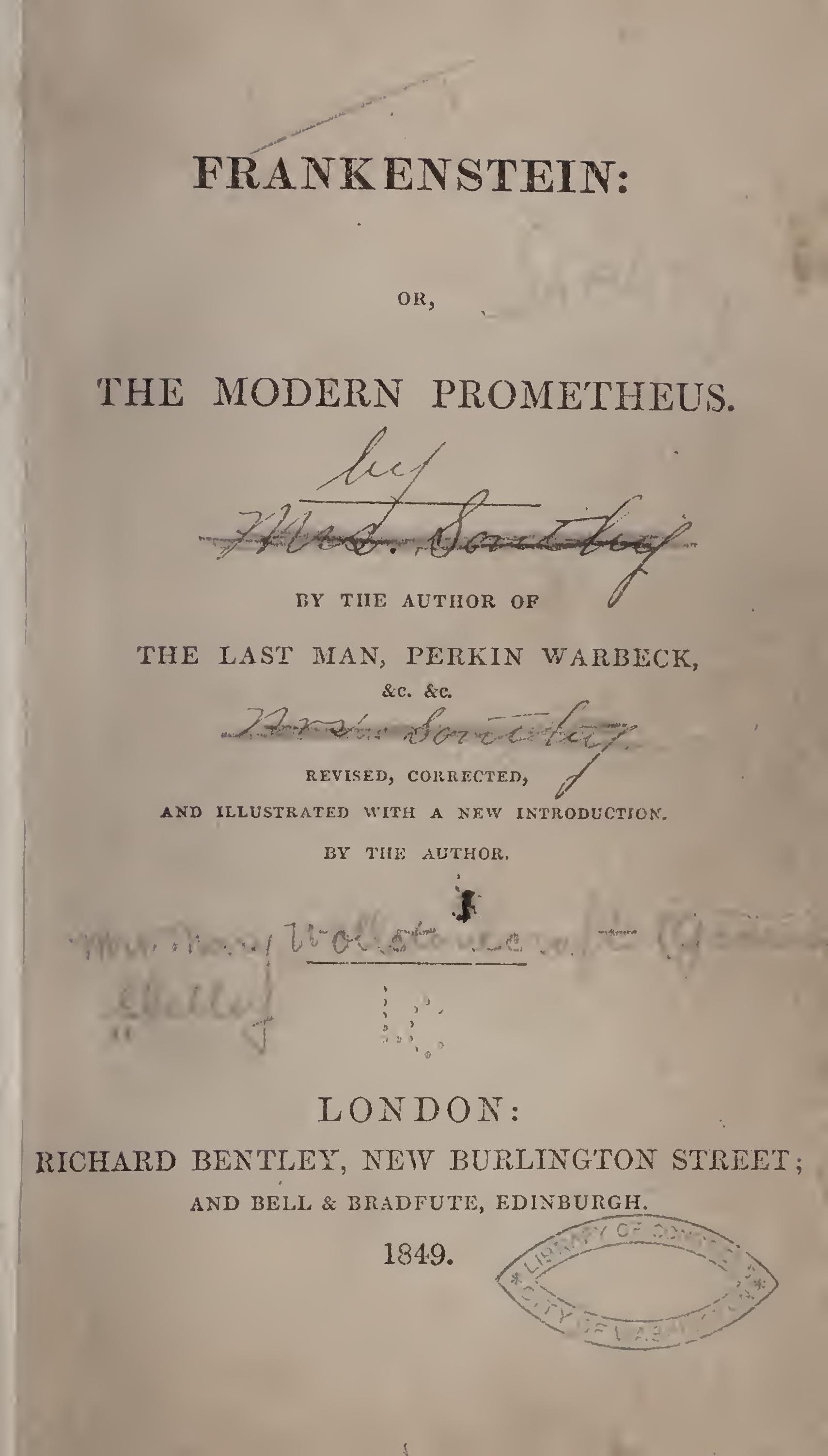
Story & form
Frankenstein's animation scene is powerful partly because Mary Shelley moves rapidly past the desired accomplishment into disgust, fever, and a dream. Chapter 5 turns an anticipated climax into an account of evasion.
1 source · Passage study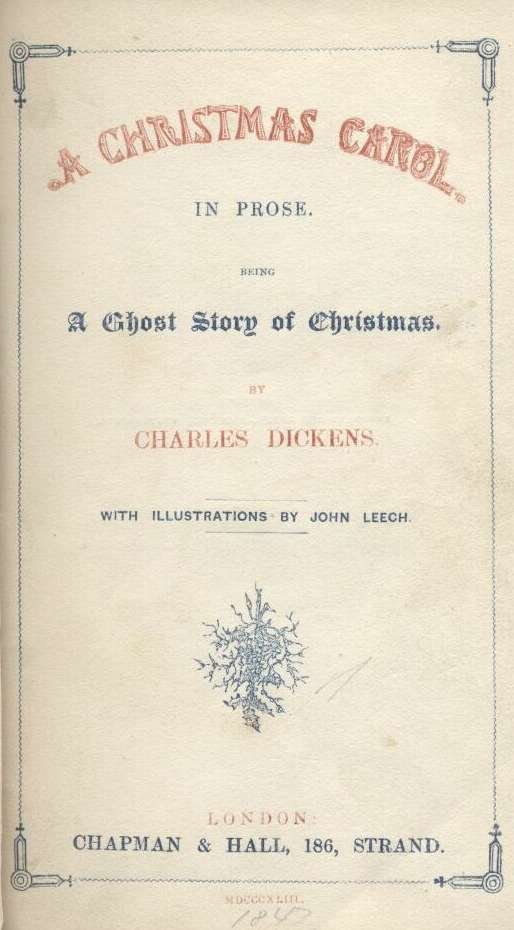
Writing practice
Dickens turns Scrooge's ordinary entrance into a rehearsal for haunting. The door knocker scene shows how comic insistence, sensory detail, and a skeptical viewpoint can make the supernatural arrive without abandoning the familiar.
1 source · Passage study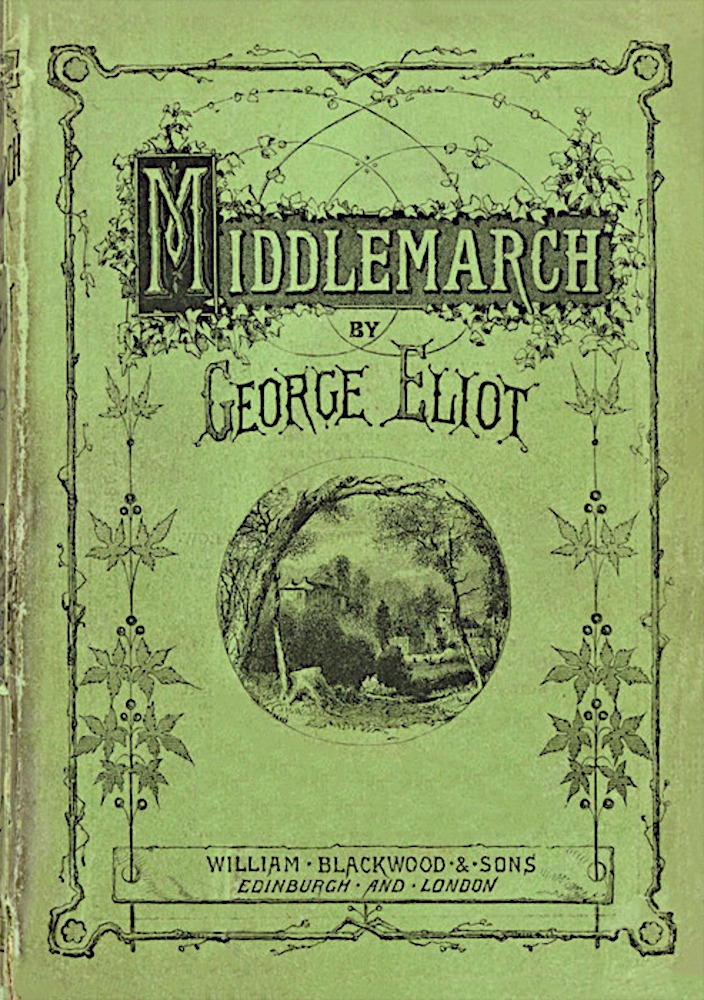
Story & form
George Eliot's Prelude moves from Saint Teresa's unfinished history to the difficulty of recognizing ordinary aspiration. Its careful shifts in scale offer a way to frame a protagonist before the plot begins to narrow their options.
1 source · Passage study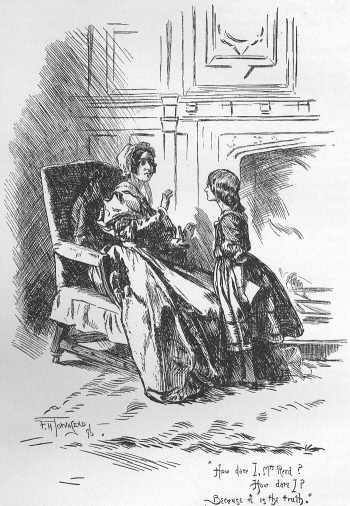
Writing practice
Charlotte Brontë makes the Red-Room terrifying by filtering furniture, light, and family history through Jane's constrained attention. Chapter 2 shows how a setting can become active without losing its physical specificity.
1 source · Passage study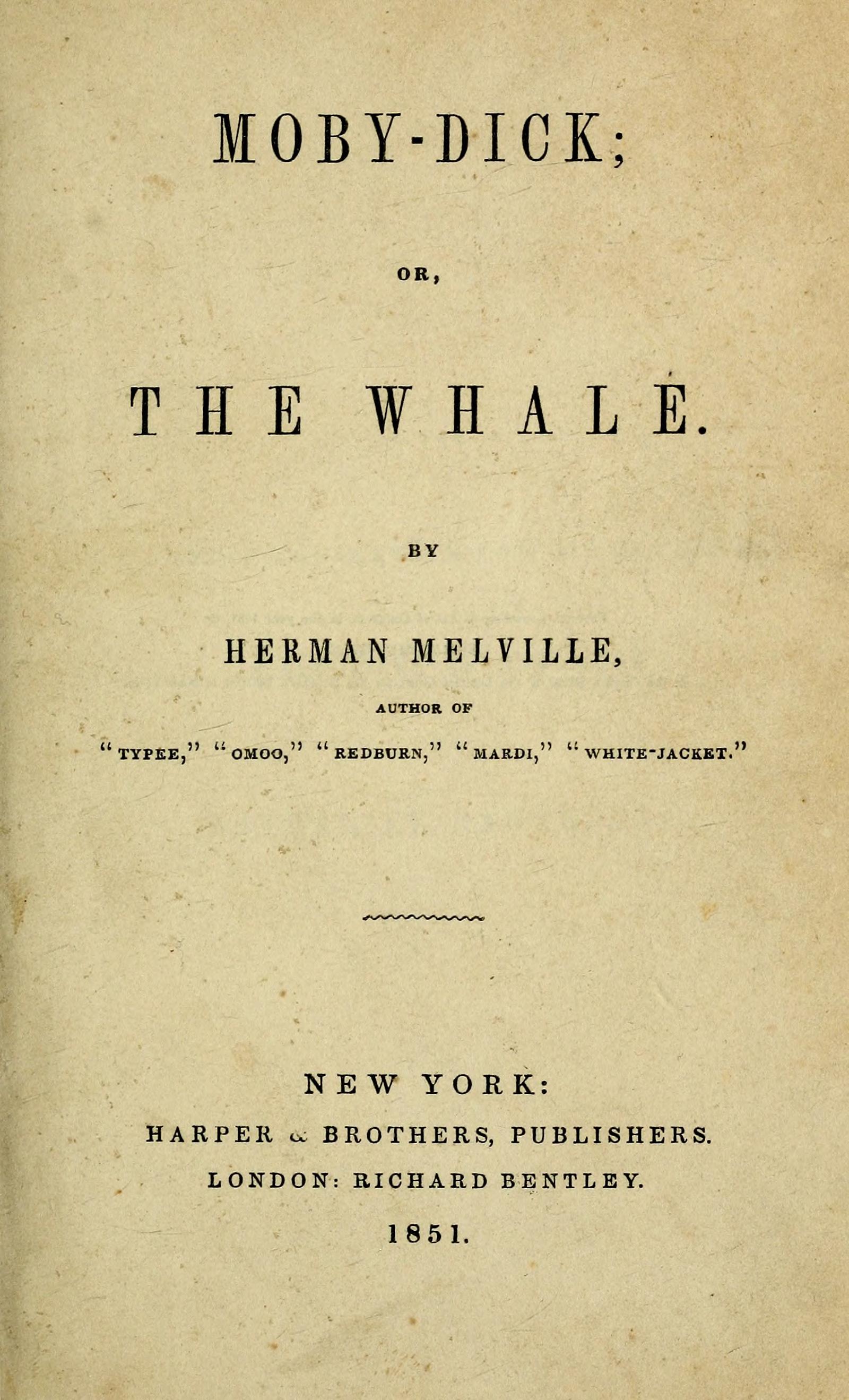
Story & form
Melville's Chapter 42 repeatedly tests whiteness against incompatible meanings. The chapter offers a model for essayistic fiction that accumulates examples without pretending that accumulation will settle an unstable idea.
1 source · Passage study
Writing practice
Melville's “I would prefer not to” is not a slogan extracted from a story; it is a sentence whose polite grammar alters the office each time it returns. The tale shows how repetition can change power without changing words.
1 source · Passage study
Story & form
In Chapters VI–VII, Douglass turns a prohibition on literacy into evidence of its stakes, then records the practical methods by which he continues to learn.
1 source · Passage study
Writing practice
Thoreau's call to live deliberately is surrounded by qualifications, rhythms, and material details that keep it from becoming a portable slogan. The chapter tests how a maxim gains meaning from the scene that holds it.
1 source · Passage study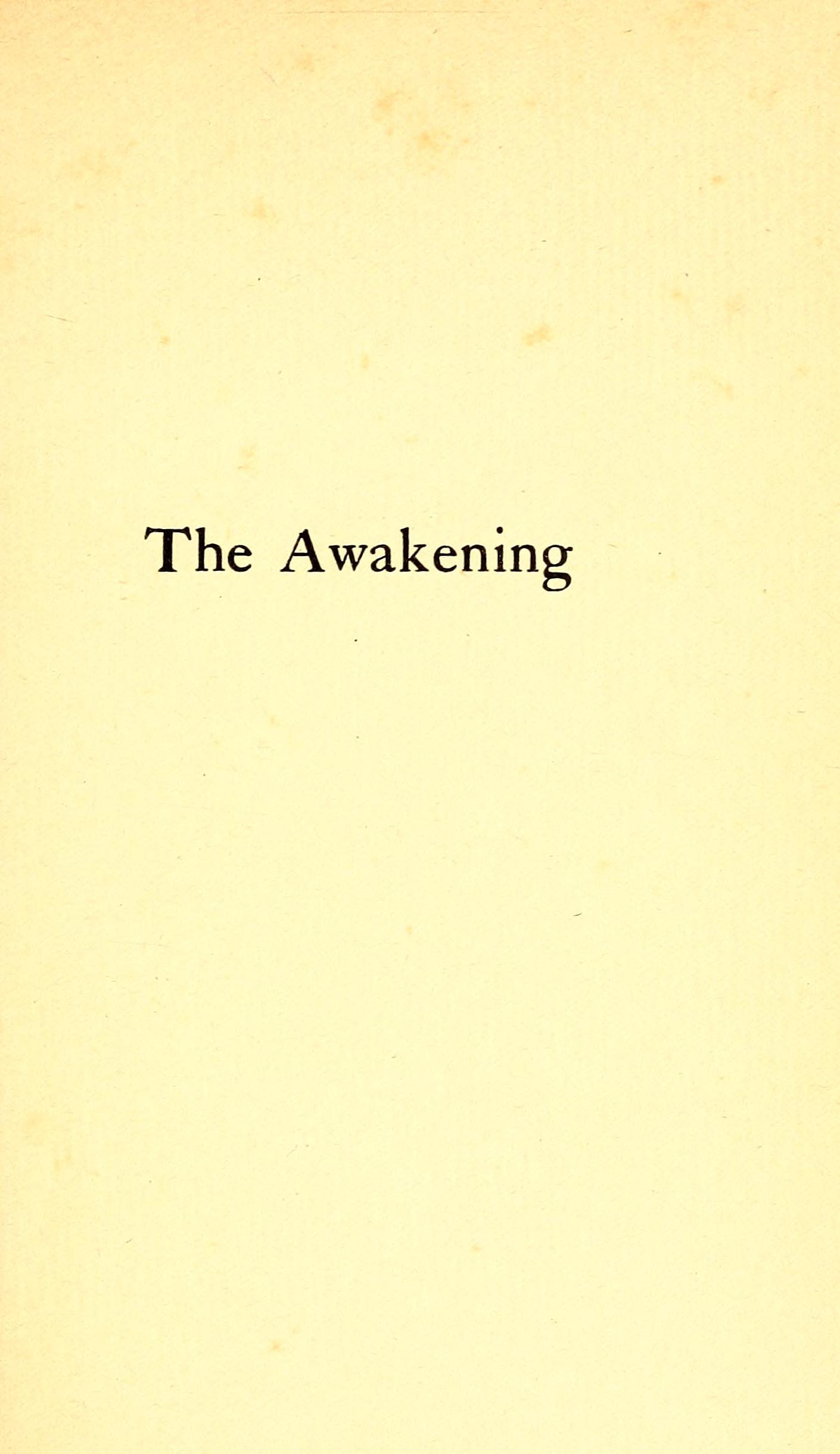
Story & form
Kate Chopin gives the sea a voice without turning it into a fixed symbol. In Chapter 6, repeated sensory language lets Edna's attention expand beyond the social vocabulary that has previously described her.
1 source · Passage study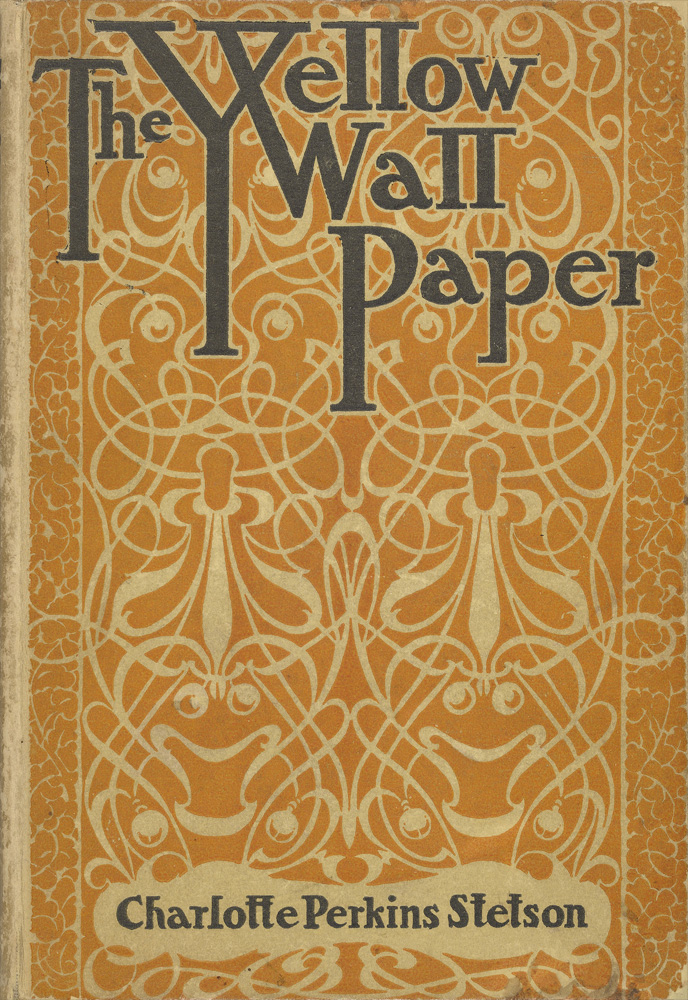
Story & form
Charlotte Perkins Gilman makes the wallpaper's pattern a changing problem of perception. The narrator's efforts to describe and decode it show how repeated observation can become a record of confinement rather than a route to mastery.
1 source · Passage study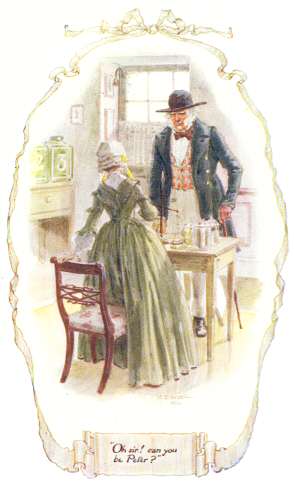
Story & form
A timed visit, a hidden tea-tray, and a captain who speaks openly of poverty reveal what Cranford’s elaborate politeness protects—and what it prevents people from saying.
1 source · Passage study
Story & form
Gilbert’s retrospective fireside scene moves from elevated ambition to muddy boots and family approval, letting readers examine the storyteller along with his story.
1 source · Passage study
Story & form
Walter’s startled account of a woman on the road from Hampstead becomes more interesting when she explains that she has already been watching him.
1 source · Passage study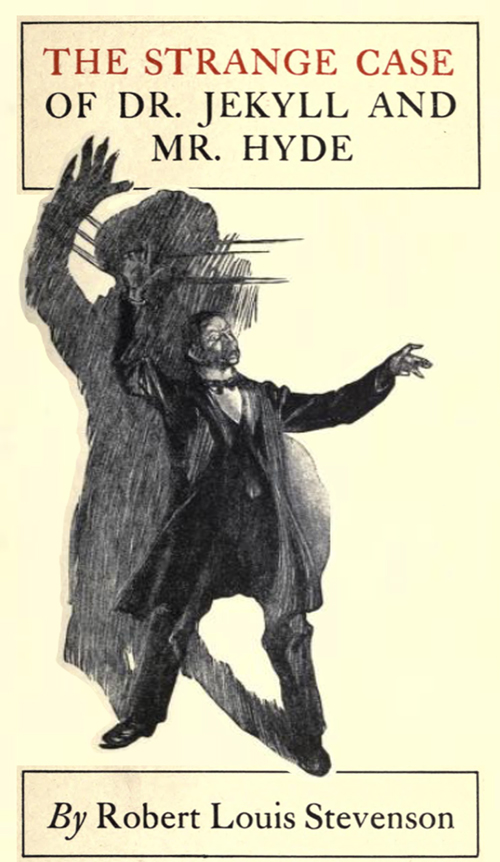
Story & form
The bank confirms a cheque’s authenticity and deepens the mystery behind a neglected door. Stevenson makes successful verification and social discretion work against a simple answer.
1 source · Passage study
Story & form
Basil directs Dorian’s pose while Lord Henry directs his attention. The portrait session makes competing forms of influence visible before Dorian can name what has changed.
1 source · Passage study
Story & form
Open windows, an impressive bedroom, and Flora’s beauty shape a delighted arrival at Bly. The governess’s retrospective account quietly places questions inside that welcome.
1 source · Passage study
Story & form
Wharton gives Selden a theory of Lily Bart’s intentions before she explains her missed train. The opening makes his pleasure in interpretation part of what we need to read.
1 source · Passage study
Story & form
Helen’s letters move from a floor plan to enthusiastic allegiance and an abrupt declaration of love. Their changing lengths reveal the pace of her attachment.
1 source · Passage study
Story & form
Gabriel imagines a painting of Gretta listening on the stairs. Her later account of the song reveals the limits of his beautiful interpretation.
1 source · Passage study
Story & form
Laura’s concern for bereaved neighbors meets a mirror and a new hat. Mansfield makes self-persuasion visible as a contest between different claims on attention.
1 source · Passage study
Story & form
Du Bois moves from evasive conversation through a schoolroom refusal to double-consciousness. A conceptual argument retains the sting and specificity of an ordinary exchange.
1 source · Passage study
Story & form
Paper, handwriting, and a postmark prompt Irene’s judgment before she opens Clare’s letter. Larsen makes the delay reveal how a remembered person is being interpreted.
1 source · Passage study