The mirror interrupts sympathy
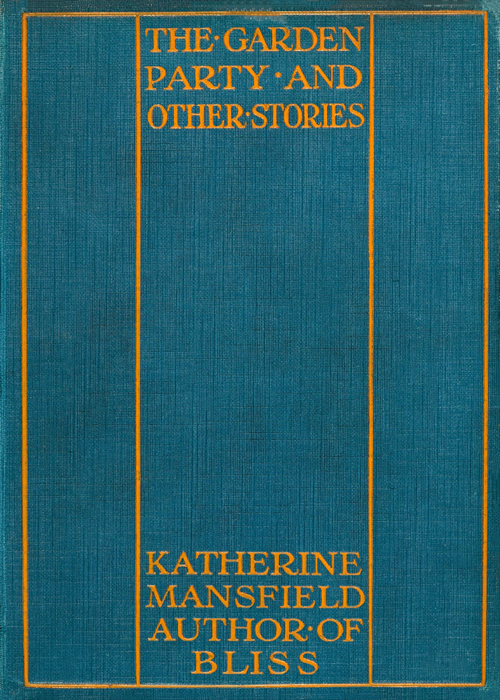
In “The Garden Party,” Laura argues that the Sheridans should stop their celebration after a workman's death nearby. Her concern is partly acoustic: the bereaved family will hear the band. That practical detail gives proximity a moral pressure. Jose counters by imagining the impossibility of stopping festivities for every accident, then calls the workman drunk. Laura immediately asks who said he was drunk. An unsupported description has begun doing the work of dismissal.
Mrs Sheridan first fears that the death occurred in their garden. Once that boundary is clarified, her alarm subsides. Laura's question is about neighbors; her mother's first response is about the limits of their own premises. The conversation shows different maps of responsibility before either person states a general principle.
Reading the turn
The hat changes the argument's medium. Mrs Sheridan puts it on Laura and offers a mirror. Laura initially turns away, but in her own room she catches sight of herself in the black hat, gold daisies, and long velvet ribbon. Admiration creates a wish that her mother be right. The dead man's family becomes indistinct, like a newspaper picture, while her reflection becomes immediate and convincing.
Mansfield does not make the accessory a magical cause of indifference. It supplies a competing object of attention at the moment Laura wants relief from disagreement. The postponement of sympathy becomes psychologically plausible through a small visual pleasure. This is a powerful way to stage self-persuasion: let a character discover a reason they want to accept before they can honestly say they believe it. The passage also warns readers against treating eloquent feeling as a completed moral action. Laura's distress is real, and its vulnerability to comfort is real too.
Sources & limits
Passage study of the section identified here, using the linked edition and retained transcription; not a whole-book review or a claim about authorial intention.
- The Garden Party
Primary text record · Source undated · Consulted 15 Sept 2026The story stages Laura’s disagreement with Jose and Mrs Sheridan, followed by the mirror and hat’s effect on her attention. The argument about narrative form is this publication’s close-reading interpretation.
Send a correction with the passage and supporting source.