The passage
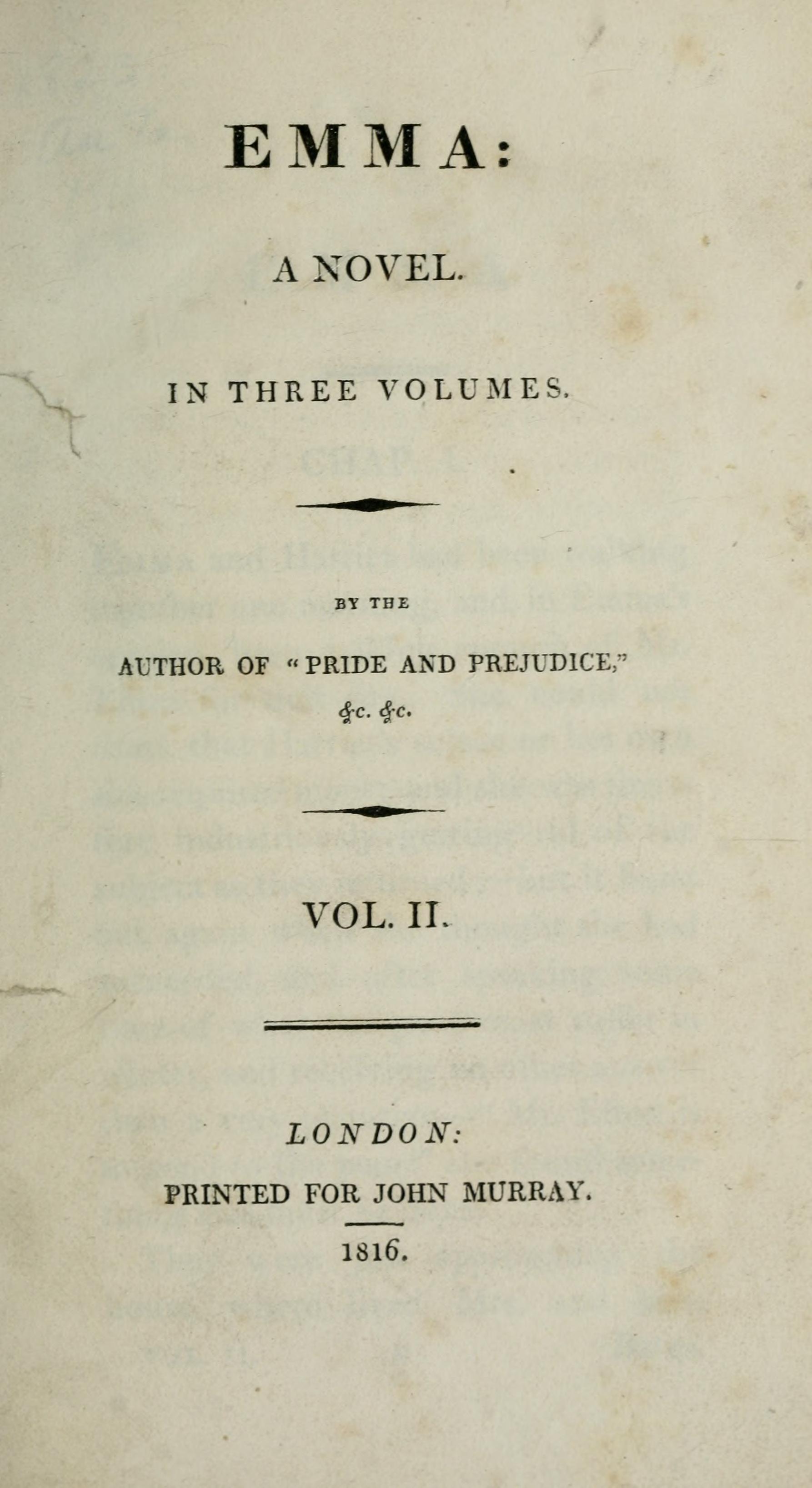
In Volume III, Chapter 7 of Emma, the picnic at Box Hill loses its ease before anyone plainly announces a crisis. Frank Churchill, speaking in Emma's name, asks for three dull things. Emma uses the invitation for a joke at Miss Bates's expense. The line is brief. Its work is not.
The cost inside the comic form
Austen prepares the remark with little failures of attention: the party is restless, conversation fragments, and Emma is impatient with Miss Bates's abundance. Those conditions make the joke seem available to Emma, but they also show why it lands as a use of rank. Miss Bates cannot answer with a matching cruelty. Her polite, wounded attempt to turn the words aside reveals the asymmetry that the joke had pretended not to see.
Knightley's correction is technically exact. He does not call Emma generally unkind or ask her to become a different person. He identifies the target, the audience, and the protection Miss Bates lacks. That specificity matters because it prevents the scene becoming a sermon appended to a social comedy. Emma has to replay the moment with its pressure points intact: the woman she mocked is talkative, poor, and publicly exposed; Emma had the power to make the room agree.
A craft use
The episode is a lesson in writing a moral turn without changing registers. Let the injury arise through the established pleasures of the scene, then let a witness describe the concrete imbalance. A character's shame can feel earned when the narration has first taught us how easily their fluency can become permission. The rebuke need not explain the whole person; it needs to make one previously harmless-looking act impossible to excuse. Afterwards, let the character meet the injured person again; remorse becomes legible in the difficulty of restoring ordinary conversation.
Sources & limits
The chapter numbering follows the inspected Gutenberg text; this study makes no claim that its pagination governs other editions.
- Emma, Volume III, Chapter 7
Project Gutenberg · Source undated · Consulted 15 Sept 2026The inspected passage contains the Box Hill exchange, Miss Bates's reply, and Knightley's rebuke. The account of status and injury is interpretive close reading.
Send a correction with the passage and supporting source.