Chapter LedgerBooks · writing · the life of an edition
September 2026 / The editorial ledger100 guides & studies · 100 historical records ↗

A journal of books & their making

Between the sentence
and the reader.

Read closely. Follow the source. Keep a record of the decisions that make a book.

20 new working guides · Six tool walkthroughs · The source always in view

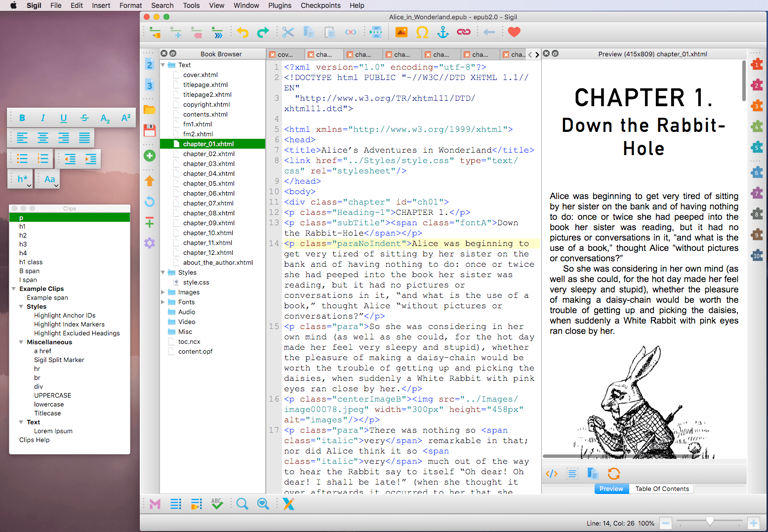
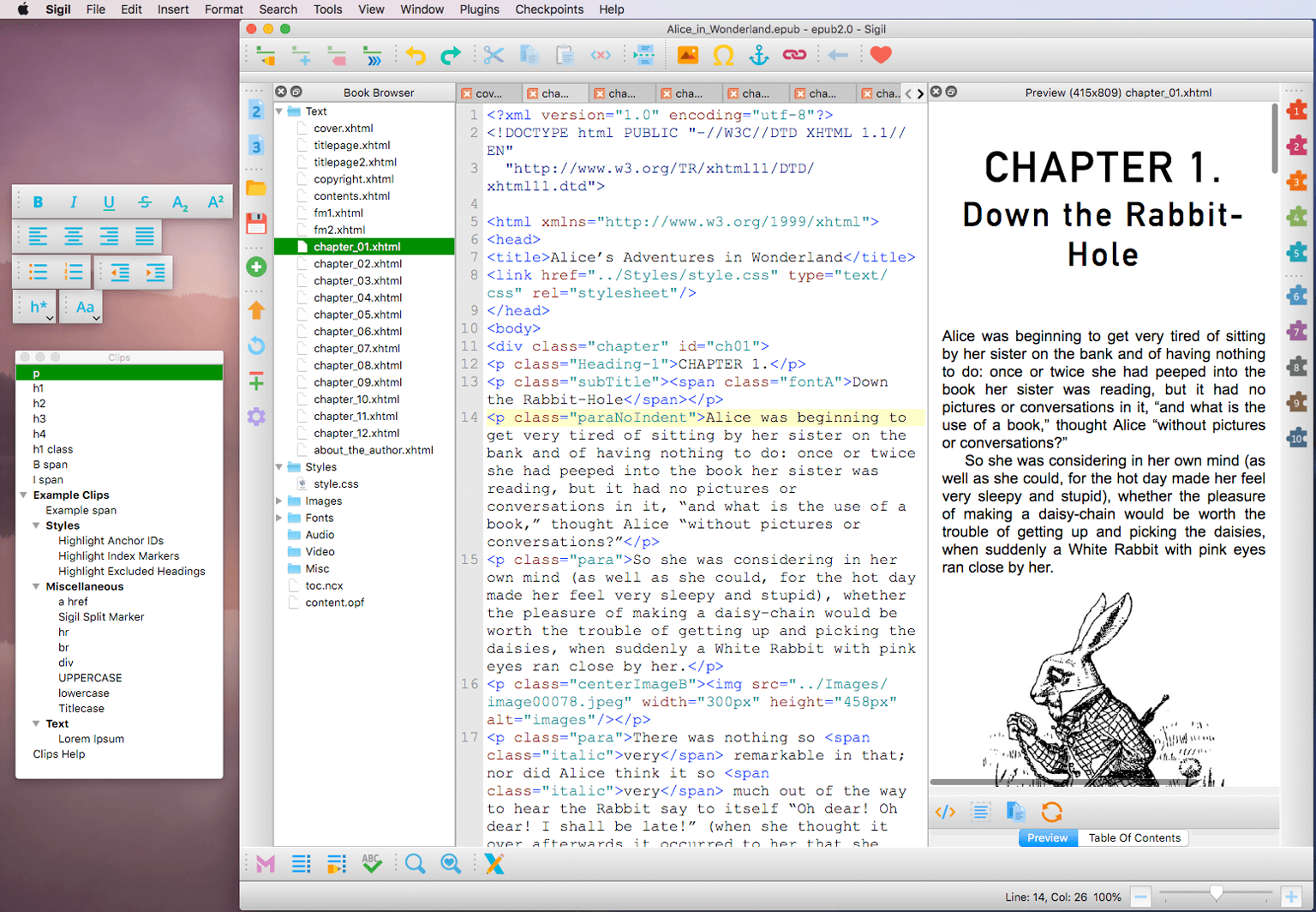
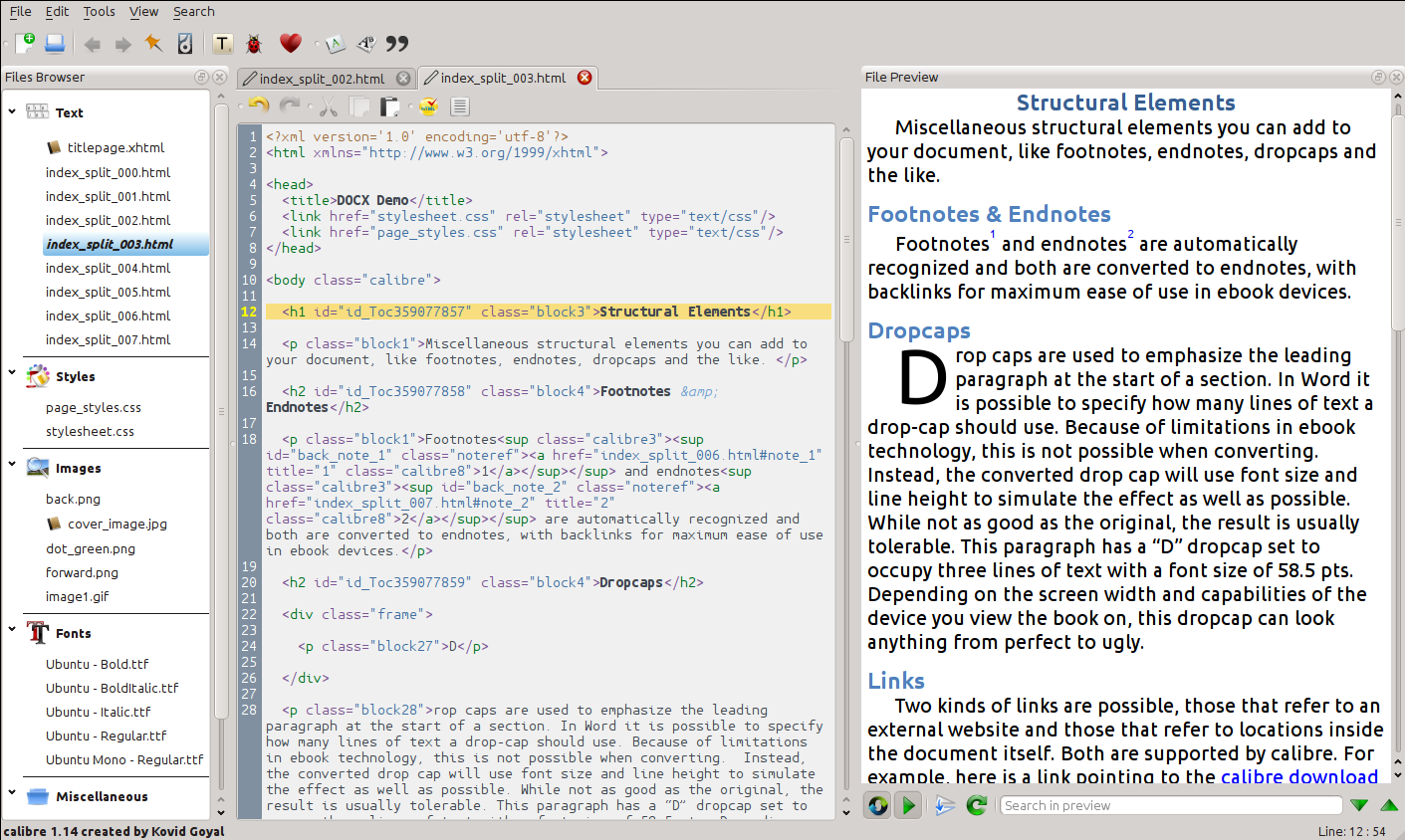
Sigil book browser, XHTML source and preview of Alice in Wonderland
Sigil’s guide shows the relationship between markup and rendered reading. Sigil-Ebook user-guide contributors. REFERENCE ONLY — NOT CLEARED FOR PRODUCTION. Local reference image · owner review pending.

On the working desk / An authentic source view

Where the code meets the page.

Open Sigil’s documented interface, then follow the work from file structure to a reader’s route.

New in the ledger

Make the next decision clearer.

All working references ↗

Practical methods for revision, feedback, production and the reader’s first encounter. Examples are worked editorial exercises, not invented field tests.

Publishing guide / Writing practice

A Reverse Outline Diagnoses the Draft You Actually Have

A reverse outline turns paragraphs into a visible sequence of jobs, making repetition, drift, and missing turns easier to revise without mistaking a new outline for evidence about the draft.
Publishing guide / Editions & access

EPUB Footnotes Need a Return Route

A production check for making a note reference, its note, and its return link behave as one readerly movement.

The source, on screen

See what the guide
is talking about.

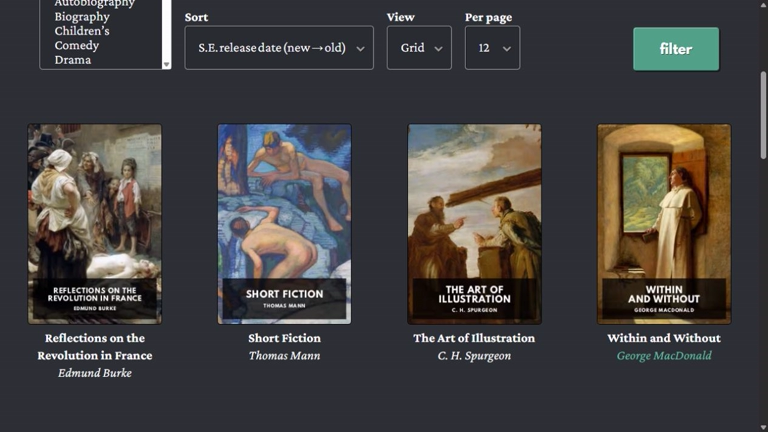
Actual interface views from calibre, Sigil, Zotero and Kindle Previewer, alongside records from EPUBCheck, Standard Ebooks and Distributed Proofreaders.

Open the visual notebook ↗
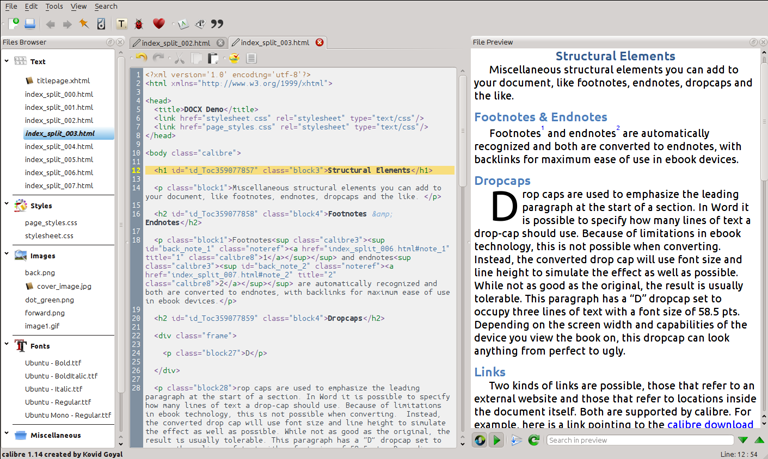
Calibre documentation showing source code beside an ebook previewcalibre documentation · local reference, owner review pending

At your desk

Follow the file through.

The ebook reading path ↗

Publishing guide / Editions & access

Calibre Checks Should Follow the Reading Order

A practical route through Calibre’s editor: preserve a checkpoint, inspect the spine as a reader will meet it, and treat automated findings as questions for the edition.

Publishing guide / Editions & access

Let Sigil’s Code and Preview Argue Usefully

A structured editing method for Sigil: make a small semantic change in code, read its consequence in preview, and preserve the difference between appearance and package structure.

Publishing guide / Editions & access

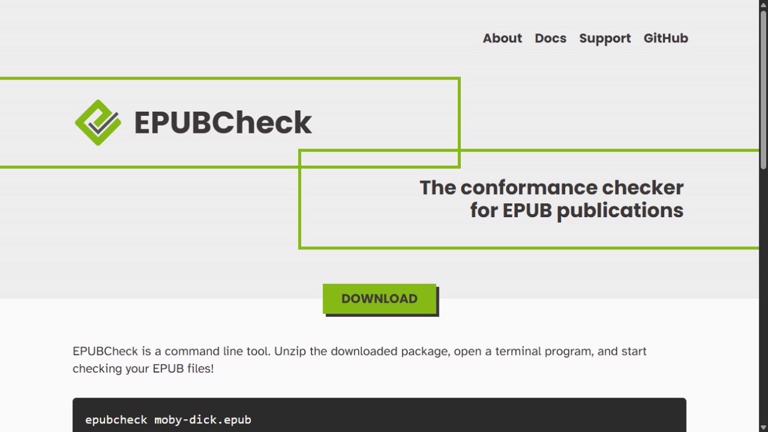
EPUBCheck Is a Gate, Not a Reader

How to use EPUBCheck’s conformance result without mistaking it for a finding about clarity, navigation, or a disabled reader’s actual route through an edition.

Publishing guide / Editions & access

A Standard Edition Begins With a Public-Domain Boundary

What Standard Ebooks’ production practice suggests about beginning with a bounded rights record, then carrying typography, markup, and review as responsibilities rather than embellishments.

An interactive working note

What is left before handoff?

Choose a format, mark the checks you have actually completed, and print a record. The checklist does not certify an edition or submit any files.

Open the edition workbench ↗

Close to the page

What the passage changes.

The story & form shelf ↗

Text study / Story & form

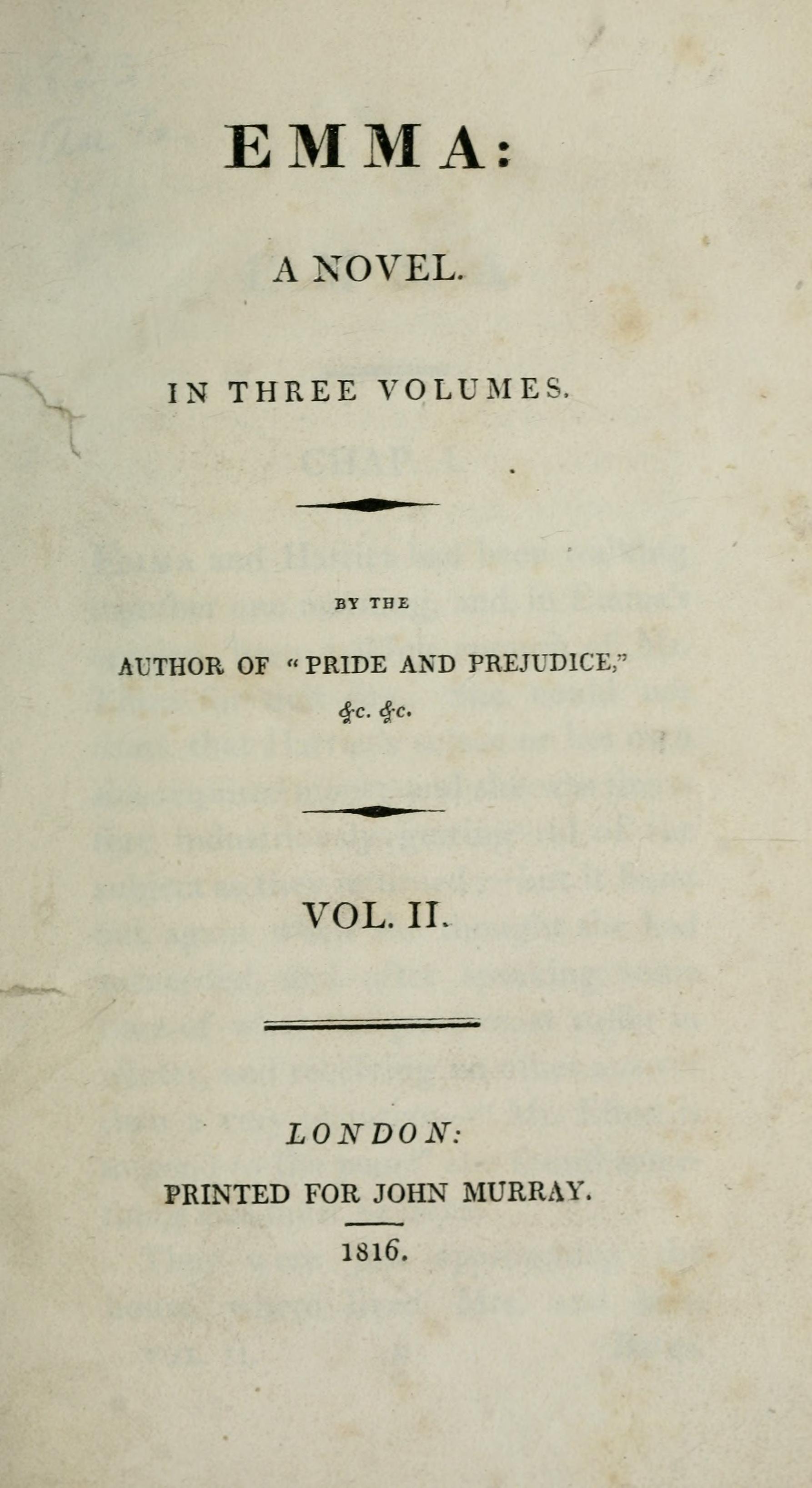
When a Joke Changes the Air: Emma at Box Hill

At Box Hill, Austen lets a single clever remark expose Emma's habit of treating a social field as material for her own amusement. The aftermath shows how a rebuke earns force by naming an injury precisely.

Text study / Story & form

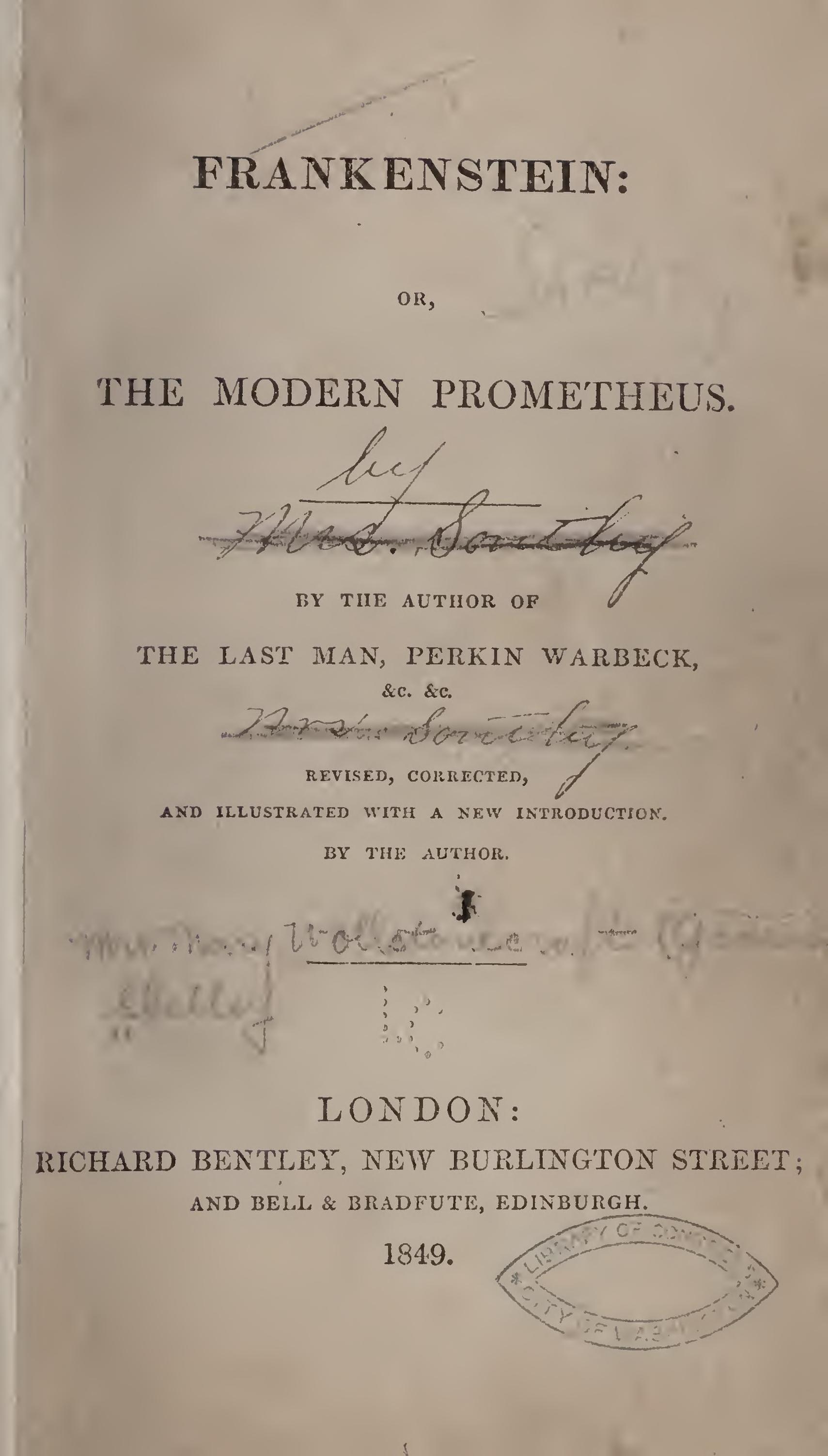
The Sentence After the Spark: Frankenstein, Chapter 5

Frankenstein's animation scene is powerful partly because Mary Shelley moves rapidly past the desired accomplishment into disgust, fever, and a dream. Chapter 5 turns an anticipated climax into an account of evasion.

Six ways into the record

A shelf for the question.

All topic shelves ↗

The longer view

The record before
this edition.

The preserved 100-entry historical archive traces publishing institutions, technology, prizes and rights. Dates describe the events and source records, not invented earlier publication by Chapter Ledger.

Open the historical archive ↗Follow the sources

The weekly letter

Something to return to.

A weekly letter about the writing life, the making of books, and the details that reward a slower look.

How we handle your email

Newsletter signup is separate from submissions and contact messages.