Chapter LedgerBooks · writing · the life of an edition

The subject shelf

Story & form.

Follow a letter, a room, a voice or a withheld fact. These passage studies locate interpretation in the edition being read.

A place to begin

Read the turn, not only the plot.

The complete shelf

Subject dates refer to works or events. All entries were prepared for this preview in September 2026. Undated guidance is grouped separately. With JavaScript off, every entry remains below.

21 entries

78Text study
Subject: 1815

Story & form

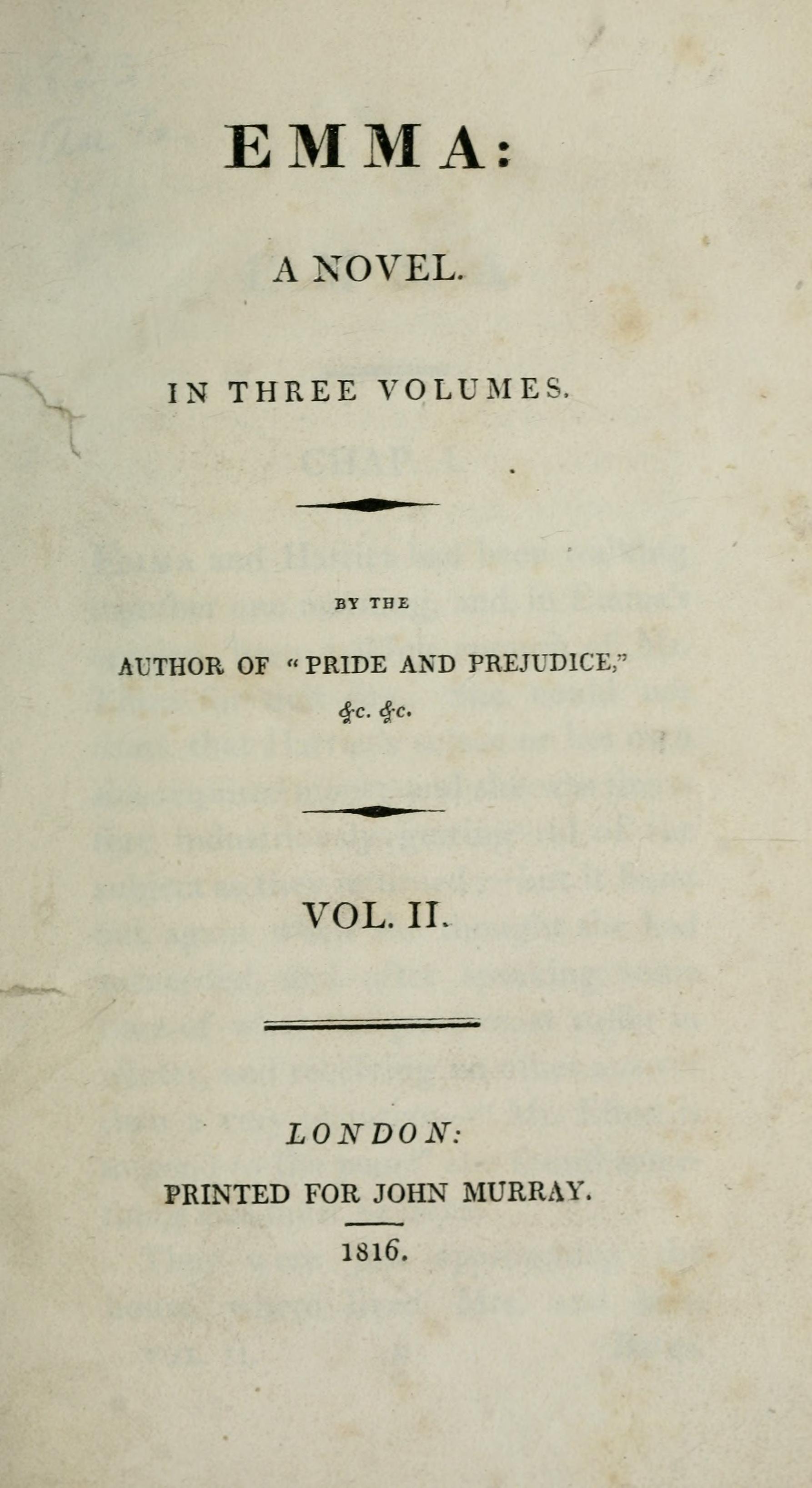
When a Joke Changes the Air: Emma at Box Hill

At Box Hill, Austen lets a single clever remark expose Emma's habit of treating a social field as material for her own amusement. The aftermath shows how a rebuke earns force by naming an injury precisely.

1 source · Passage study
↗
79Text study
Subject: 1818

Story & form

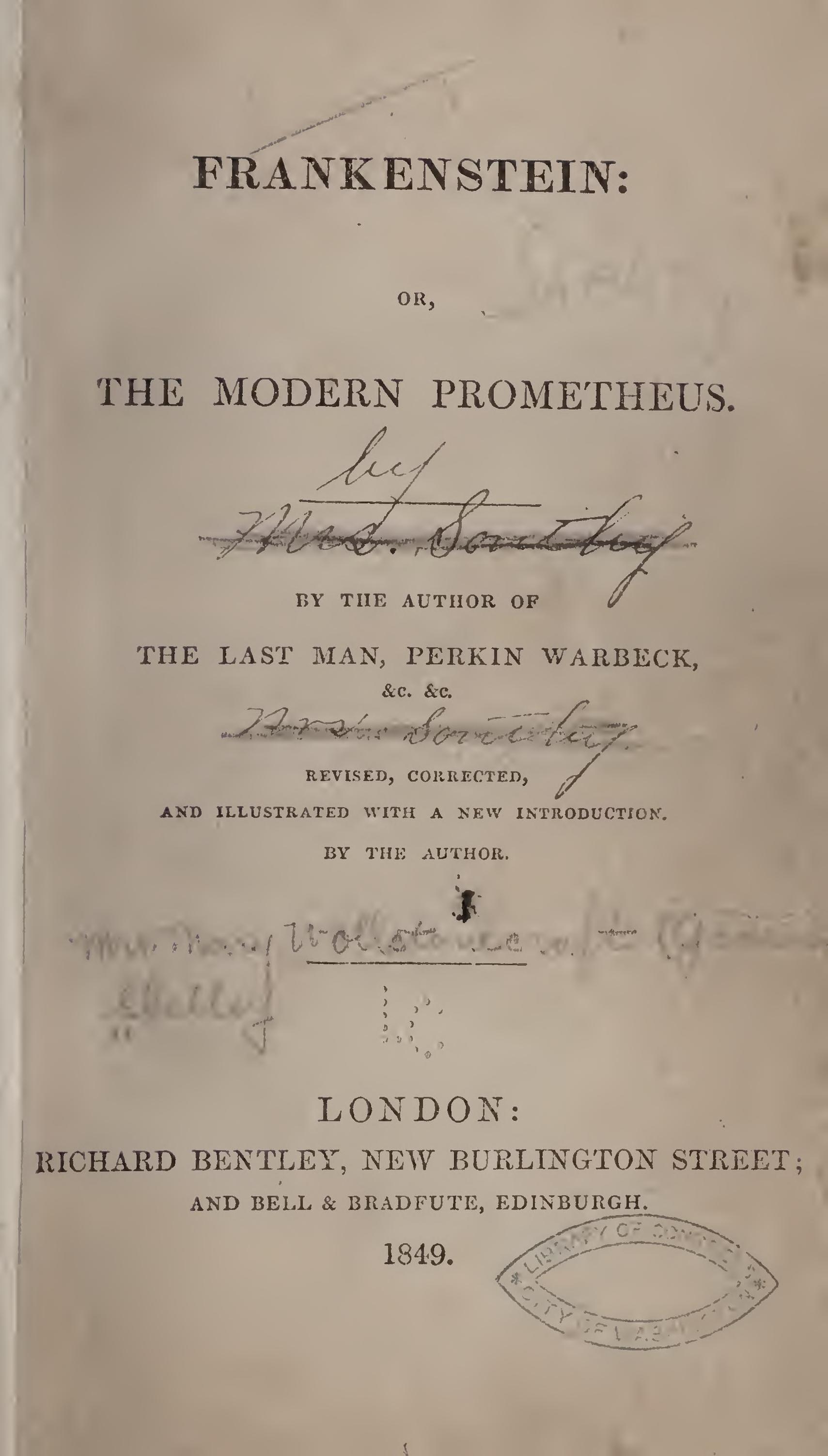
The Sentence After the Spark: Frankenstein, Chapter 5

Frankenstein's animation scene is powerful partly because Mary Shelley moves rapidly past the desired accomplishment into disgust, fever, and a dream. Chapter 5 turns an anticipated climax into an account of evasion.

1 source · Passage study
↗
81Text study
Subject: 1871

Story & form

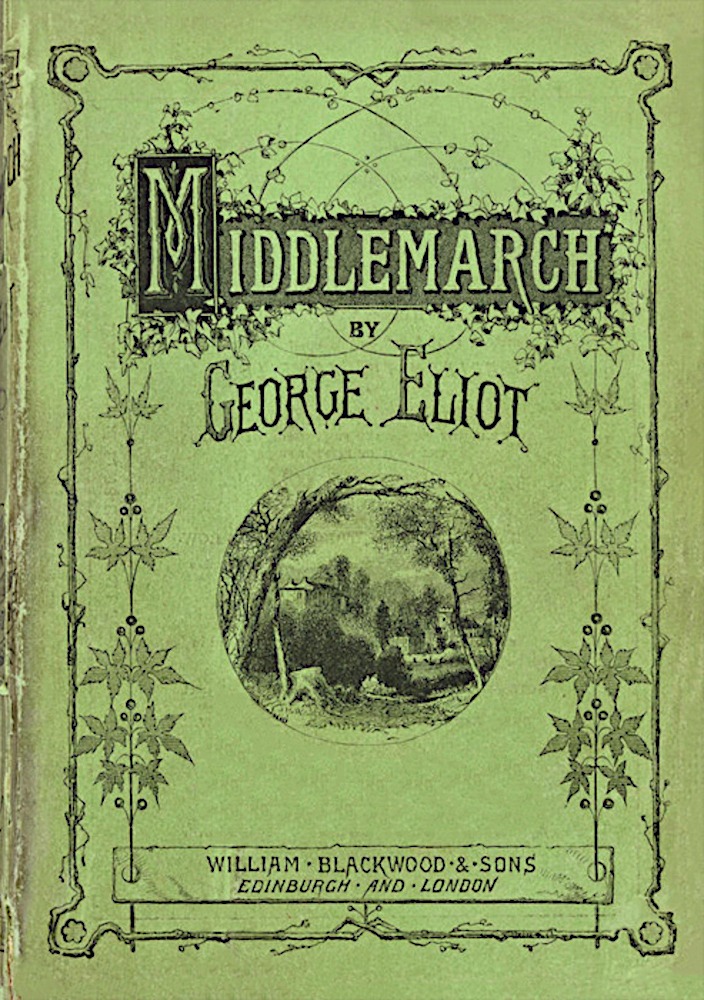
The Scale of a Life: Middlemarch's Prelude

George Eliot's Prelude moves from Saint Teresa's unfinished history to the difficulty of recognizing ordinary aspiration. Its careful shifts in scale offer a way to frame a protagonist before the plot begins to narrow their options.

1 source · Passage study
↗
88Text study
Subject: 1892

Story & form

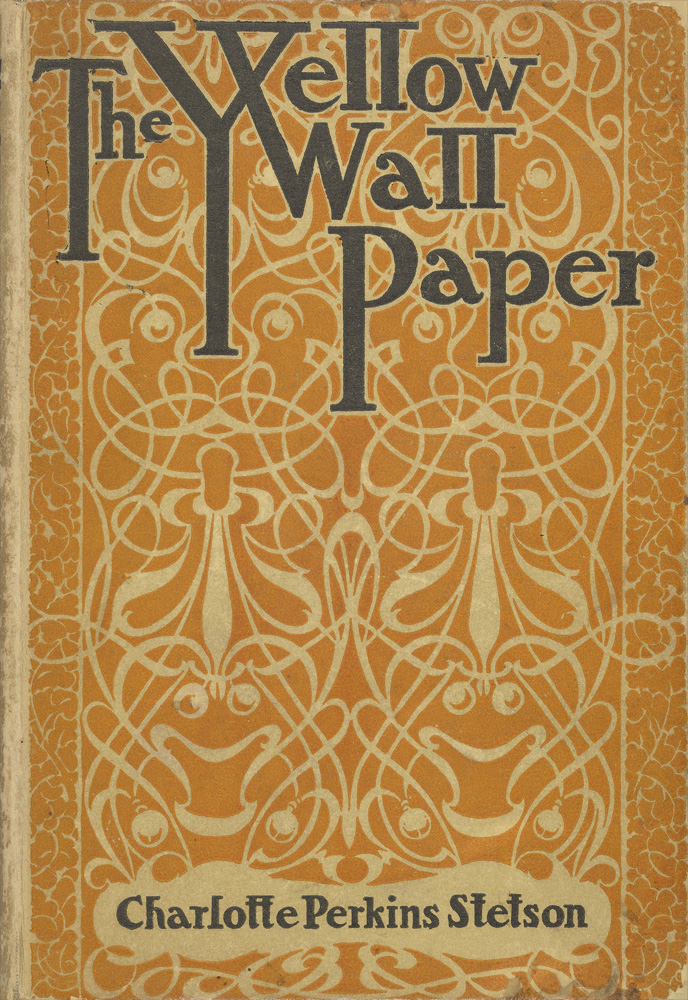
Reading Against the Pattern: The Yellow Wallpaper

Charlotte Perkins Gilman makes the wallpaper's pattern a changing problem of perception. The narrator's efforts to describe and decode it show how repeated observation can become a record of confinement rather than a route to mastery.

1 source · Passage study
↗
89Text study
Subject: 1853

Story & form

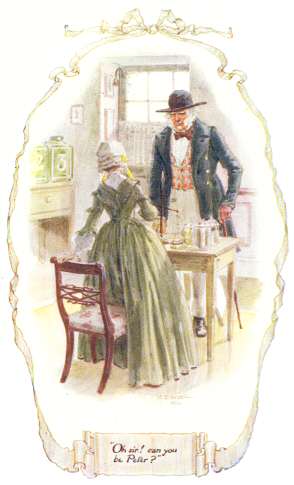
Cranford and the Rule of Small Means: Chapter 1

A timed visit, a hidden tea-tray, and a captain who speaks openly of poverty reveal what Cranford’s elaborate politeness protects—and what it prevents people from saying.

1 source · Passage study
↗
92Text study
Subject: 1886

Story & form

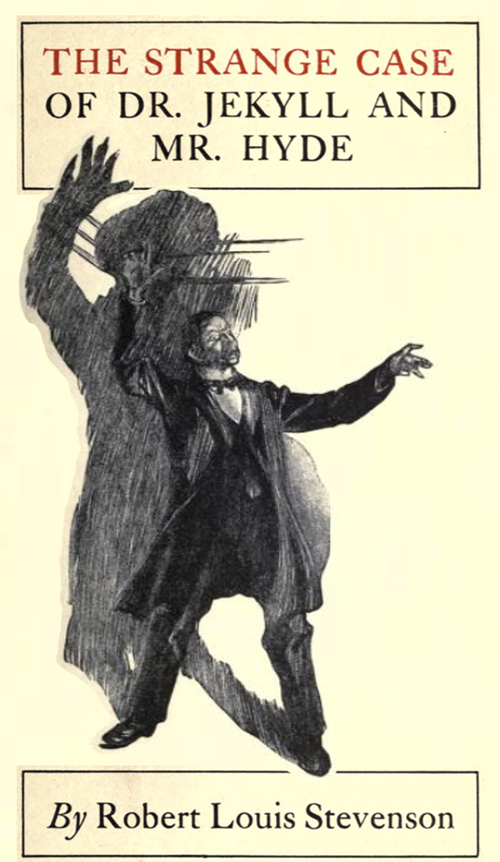
A Door With a History: Dr Jekyll and Mr Hyde, Chapter 1

The bank confirms a cheque’s authenticity and deepens the mystery behind a neglected door. Stevenson makes successful verification and social discretion work against a simple answer.

1 source · Passage study
↗
97Text study
Subject: 1914

Story & form

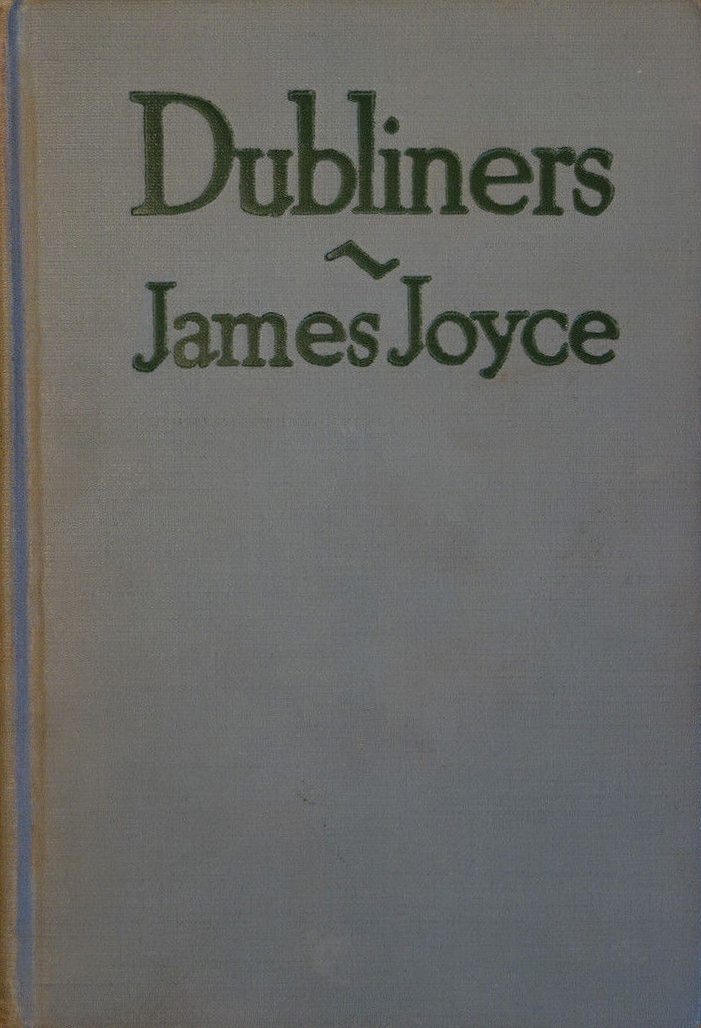
A Song Heard on the Stairs: Dubliners, The Dead

Gabriel imagines a painting of Gretta listening on the stairs. Her later account of the song reveals the limits of his beautiful interpretation.

1 source · Passage study
↗
100Text study
Subject: 1929

Story & form

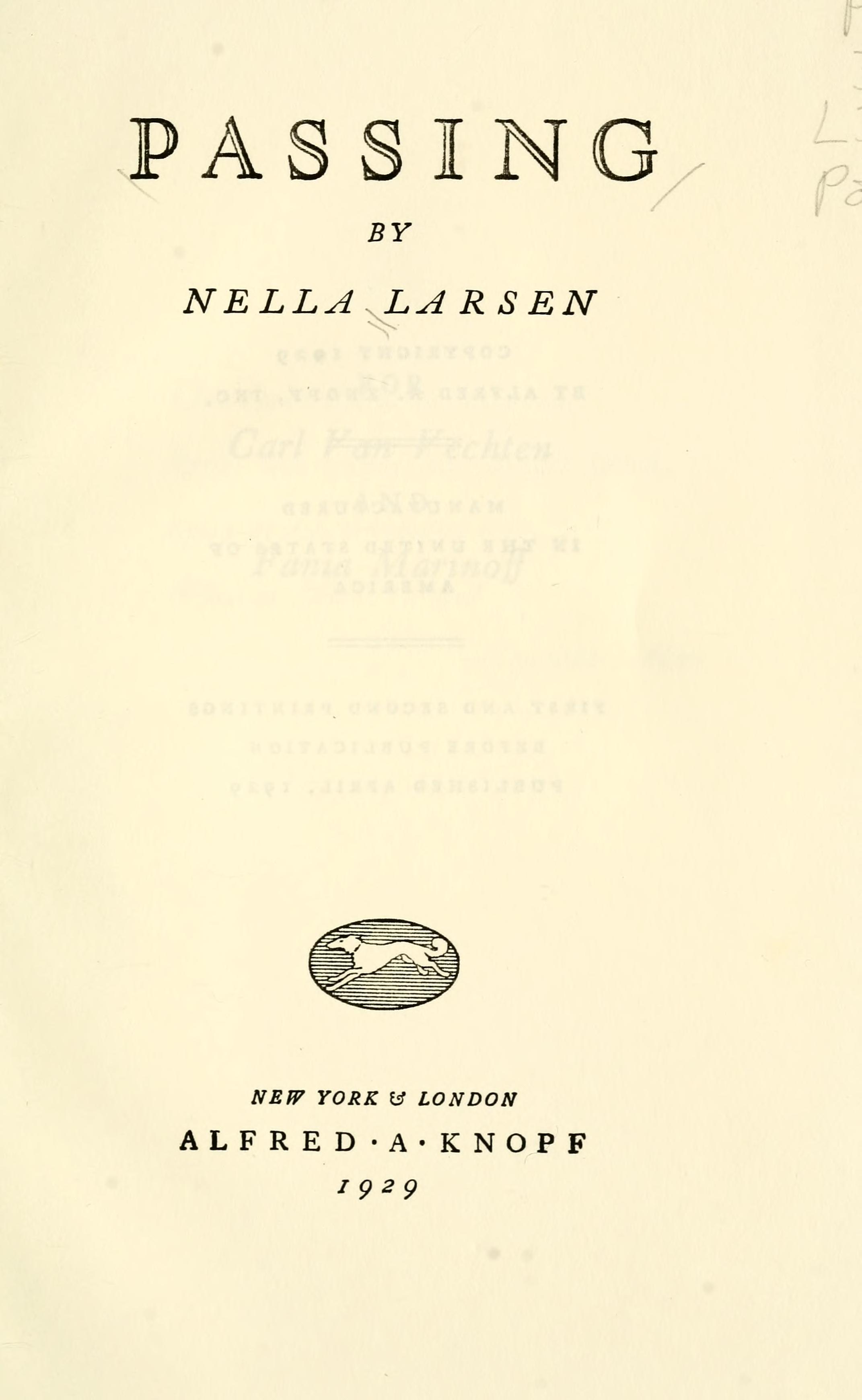
A Letter That Reopens a Social World: Passing, Part One

Paper, handwriting, and a postmark prompt Irene’s judgment before she opens Clare’s letter. Larsen makes the delay reveal how a remembered person is being interpreted.

1 source · Passage study
↗

Earlier records, in context.

All 100 historical records ↗

The weekly letter

Something to return to.

A weekly letter about the writing life, the making of books, and the details that reward a slower look.

How we handle your email

Newsletter signup is separate from submissions and contact messages.