The picture and the listener
Near the end of the party in “The Dead,” Gabriel looks up from a dark part of the hall and sees Gretta on the stairs. He cannot see her face. Shadow alters the colors of her skirt, and he hears only fragments of piano and singing through the noise around the entrance. Joyce makes the conditions of observation exact: Gabriel is looking at someone whose experience he cannot yet hear clearly.
He begins composing a picture. Her stillness has grace and mystery; her blue hat and bronze hair suggest a painterly arrangement. He imagines calling it Distant Music. The title is apt for his position, but it does not explain hers. His aesthetic response gives the reader a beautiful image while revealing how quickly he converts another person's attention into a symbol for himself.
Reading the turn
The song is “The Lass of Aughrim,” sung by Bartell D'Arcy. Later, Gretta connects it with Michael Furey, a young man she knew in Galway. That account does not merely supply a missing label for Gabriel's imagined painting. It introduces a remembered relationship outside his possession of the scene. The object of his gaze has been listening into a past he cannot see.
The staircase episode is therefore worth reading twice, with the later conversation in mind. Its first description remains visually compelling; the new information changes what the reader believes that description can contain. Joyce does not have to mock Gabriel's imagination to establish its limit. For a writer, the useful distinction is between a viewpoint's sensory accuracy and its emotional authority. A character can notice color, posture, and atmosphere beautifully while misunderstanding what matters most to the person observed. The later disclosure can enlarge an earlier scene rather than simply overturn it.
Sources & limits
Passage study of the section identified here, using the linked edition and retained transcription; not a whole-book review or a claim about authorial intention.
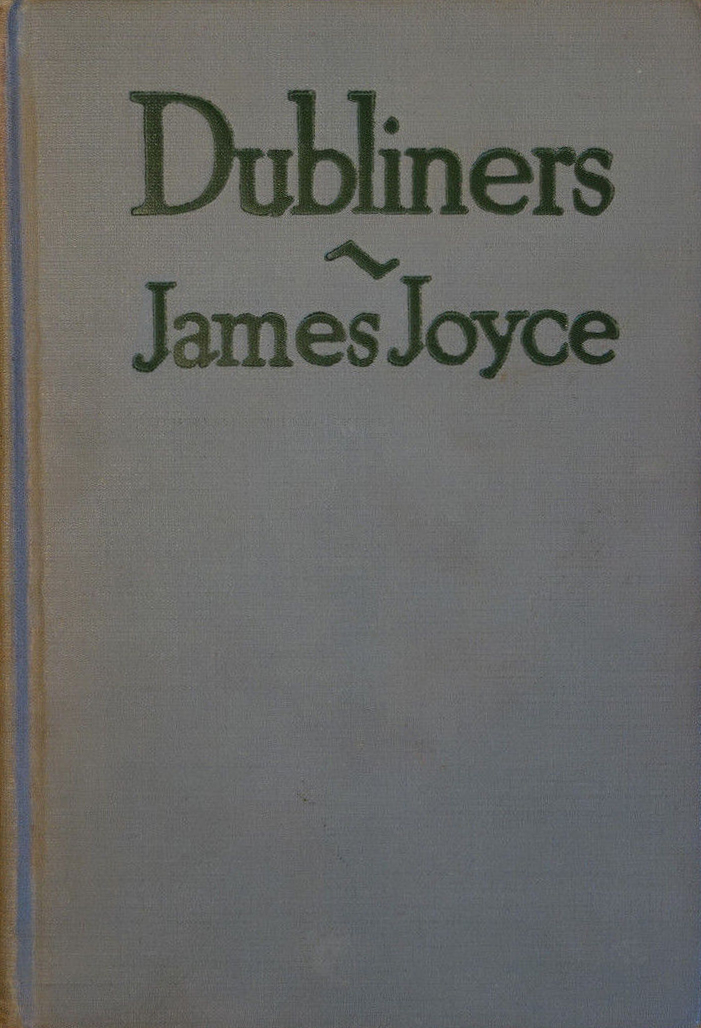
- Dubliners, The Dead
Primary text record · Source undated · Consulted 15 Sept 2026“The Dead” describes Gabriel’s imagined painting, identifies the song, and later gives Gretta’s account of Michael Furey. The argument about narrative form is this publication’s close-reading interpretation.
Send a correction with the passage and supporting source.