Two ways of directing a sitter
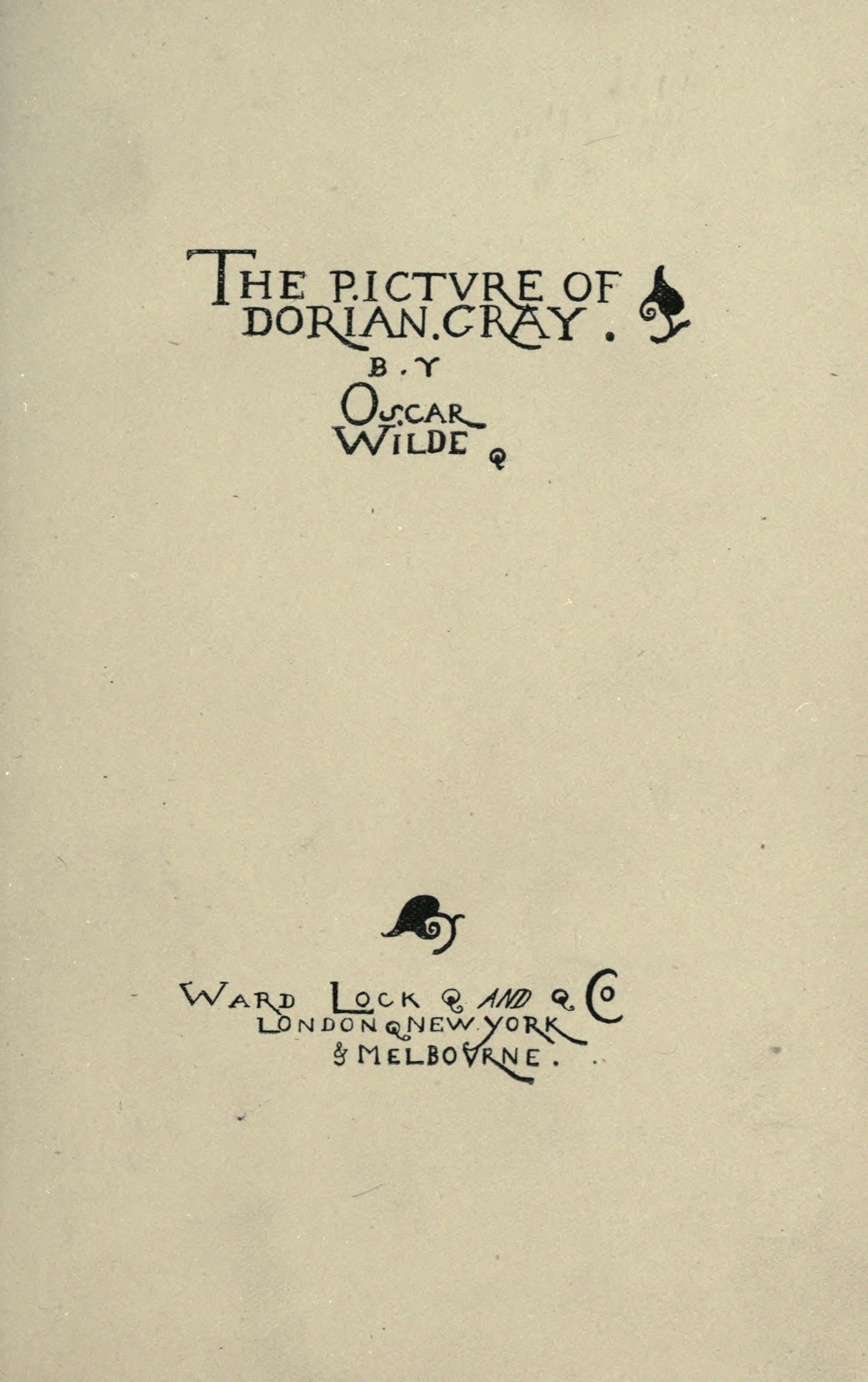
In Chapter 2 of The Picture of Dorian Gray, Dorian begins at a piano, impatient with the prospect of sitting for his portrait. Lord Henry's arrival changes the arrangement. Basil wants his guest to leave so he can work; Dorian threatens to leave too unless Henry remains. Before the famous speech about influence begins, influence has already operated through invitations, refusals, and the distribution of attention.
Basil needs Dorian's body to stay on the platform. Henry captures his attention with an argument that all influence compromises a person's own nature. The contradiction is dramatic rather than simply logical: Henry presents a defense of self-development in a voice that Dorian finds irresistible. His listener admires the sound as well as the thought. The narration makes persuasion an experience in a room, not an argument detached from its delivery.
Reading the turn
While Henry speaks, Basil notices a new expression and asks Dorian to turn his head. The interruption joins two acts of making. One man adjusts the visible pose while another alters what the sitter thinks about himself. Basil is absorbed in painting; he registers the change as material for the picture without fully following the conversation that produces it.
Dorian finally asks Henry to stop because he feels bewildered and cannot find an answer. Wilde allows the response to remain incomplete. Silence, parted lips, and an arrested pose give the speech a consequence before Dorian can formulate a belief. A conversation gains narrative weight when its effects enter gesture and attention, rather than arriving only as a tidy reply. Read this section with an eye to who controls movement, who controls the subject, and who observes a change without recognizing its cause. The portrait session offers competing forms of authorship over the same person.
Sources & limits
Passage study of the section identified here, using the linked edition and retained transcription; not a whole-book review or a claim about authorial intention.
- The Picture of Dorian Gray, Chapter II
Primary text record · Source undated · Consulted 15 Sept 2026Chapter 2 places Dorian at the piano and then on the dais; Henry speaks about influence while Basil notices a changed expression. The argument about narrative form is this publication’s close-reading interpretation.
Send a correction with the passage and supporting source.