The passage
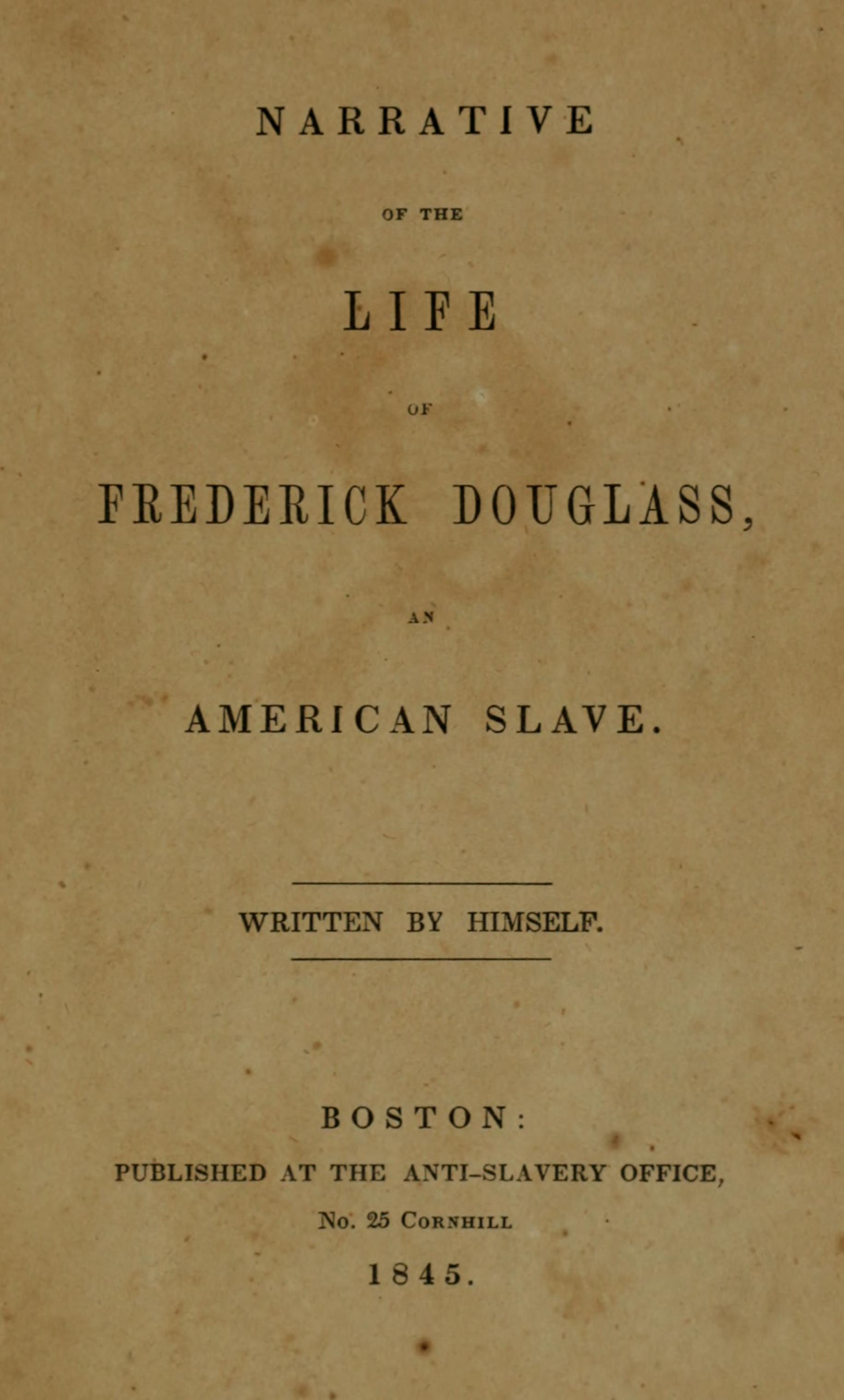
Chapter VI recalls Hugh Auld stopping Sophia Auld's lessons. Douglass reports Auld's reasoning: literacy would make an enslaved person unfit for slavery. The scene is brief, but the narrative makes it a crucial lesson. What Auld intends as a prohibition supplies Douglass with a lucid statement of the system's fear.
An adversary states the premise
Douglass does not need to enlarge Auld's words into abstract theory because their logic is already devastating. He records the causal chain and shows how it clarifies his own purpose. The pivot is exact: a master tries to close education, and the child hears in that closure a map of where freedom is being denied. The scene gives an oppressor's language evidentiary force without granting it moral authority.
Chapter VII moves from recognition to practice. Douglass describes exchanging bread for reading lessons with poor white boys and using shipyard marks to learn letters. These are not decorative anecdotes of self-improvement. Their details show learning under constrained conditions: time must be stolen, materials re-purposed, and help found in a world organized to withhold it. The account remains attentive to danger and unequal access. It makes ingenuity visible while keeping coercion as the condition that makes ingenuity necessary.
A craft use
When writing an argument inside memoir, let a scene establish the proposition before commentary names its consequence. Then show the method that follows from that knowledge. Concrete procedures—where a lesson happens, what is exchanged, which marks are copied—can keep a large political claim tied to the daily work required to survive it. Such particulars also prevent a reader from mistaking endurance and skill for conditions freely chosen. The narrative voice can honor intelligence while refusing to call the coercive setting an opportunity.
Sources & limits
Close reading of Chapters VI-VII in the inspected transcription only.
- Narrative of the Life of Frederick Douglass, Chapters VI-VII
Project Gutenberg · Source undated · Consulted 15 Sept 2026Chapter VI records Hugh Auld stopping Sophia Auld lessons. Chapter VII records later literacy practices. Formal observations are close reading.
Send a correction with the passage and supporting source.