The passage
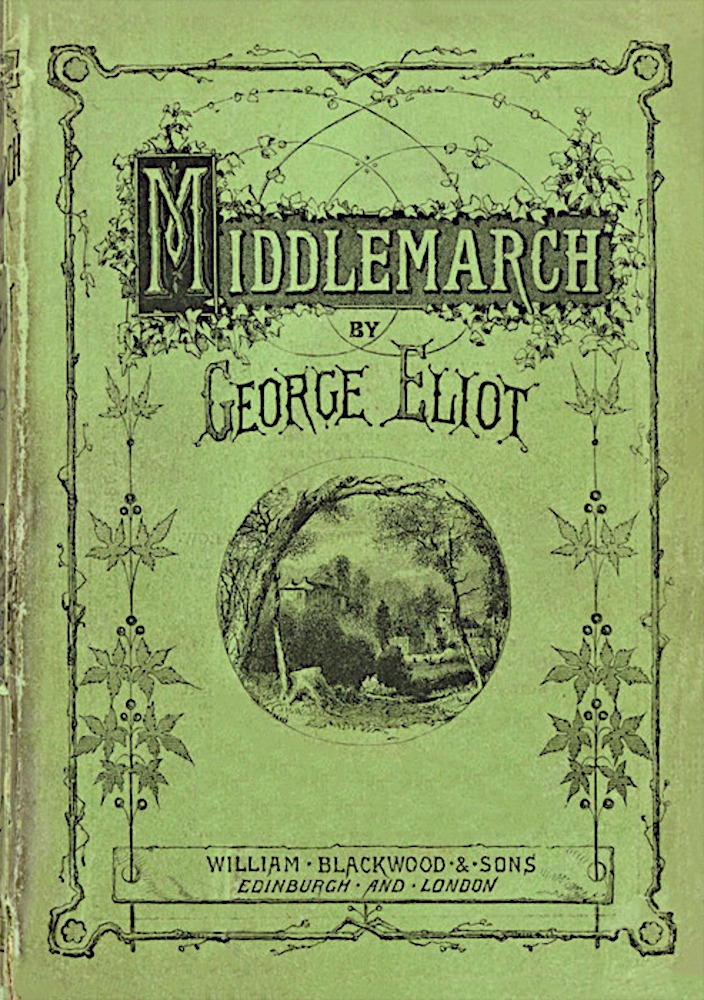
Middlemarch begins before Dorothea appears. The Prelude considers Saint Teresa, then asks what becomes of ardent natures when the world has no ready channel for them. This is not ornamental background. Eliot establishes the problem of scale that the novel will keep testing: a large inward vocation may enter a provincial life through choices that look, from outside, merely personal.
A comparison that narrows rather than enlarges
The Teresa comparison is risky because it could make Dorothea a miniature saint. Eliot prevents that result. The prose turns from historical radiance to the dispersed, unrecorded lives of women whose energy finds no decisive action. The point is not that every longing is heroic. It is that the available forms of action decide what a longing can become. The prelude changes its vocabulary from flame and foundation to the quieter pressure of circumstance.
That movement also prepares the novel's method. Middlemarch will not certify Dorothea's importance by arranging a grand stage for her. It will place motives, misunderstandings, money, learning, and affection in close quarters. The Prelude teaches us to read those close quarters as a field of consequence. Its narrator speaks broadly, but the breadth makes the later details more, not less, exact: the choice of a husband, a house, a study, or a sentence can carry a whole theory of what a life is allowed to do.
A craft use
An opening comparison can set a novel's moral scale if it also creates friction. Do not use the emblem to announce that your protagonist is exceptional. Use it to expose the distance between an appetite and the forms available to it. The plot can then make that distance concrete. The comparison should also leave room for failure, compromise, and ordinary consequence; otherwise it becomes a promise the novel can only flatteringly fulfill.
Sources & limits
The historical allusion is treated as Eliot's framing device; this is not a biographical claim about Dorothea or a survey of Teresa scholarship.
- Middlemarch, Prelude
Project Gutenberg · Source undated · Consulted 15 Sept 2026The inspected Prelude invokes Saint Teresa and considers unrealized ardent lives. The account of narrative scale is a close-reading interpretation.
Send a correction with the passage and supporting source.