The passage
Early in Stave One, Scrooge sees Marley's face in his door knocker. Dickens begins by insisting on the object’s ordinariness: it is a knocker, neither more nor less. The insistence is the mechanism. It gives the reader a firm domestic surface from which the image can depart.
Skepticism as pressure
The narration does not ask us to accept the apparition at once. It calls attention to the darkness, to Scrooge's surprise, and to the quick return of the familiar hardware. Yet the doubled description has already done its work. Marley's face has been specified as if it were an optical fact, with the fog and hair producing an impossible visual field. The supernatural arrives through attention to material particulars rather than through a separate gothic vocabulary.
Scrooge responds by checking the house: rooms, doors, bolts, hearth. Each practical inspection is comic and also increases suspense, because the man is trying to make architecture restore a world in which objects stay themselves. Dickens gives him an explanation for every sound until the final chain breaks the explanatory habit. The scene manages its tonal change by allowing a resistant character to supply the resistance. Fear does not replace comedy; it grows inside it.
A craft use
To make an uncanny turn persuasive, begin with a thing the viewpoint character knows how to name and use. Let that character test ordinary causes. The tests should reveal their need for normality, not merely delay the event. Then let one detail remain after the explanation has failed. A familiar inventory can therefore do narrative work twice: it establishes a baseline and reveals the character's habits of disbelief. The more calmly the inventory is performed, the more consequential its final failure may feel.
Sources & limits
This is a close reading of Stave One in the inspected Project Gutenberg text, not an account of every illustration or adaptation.
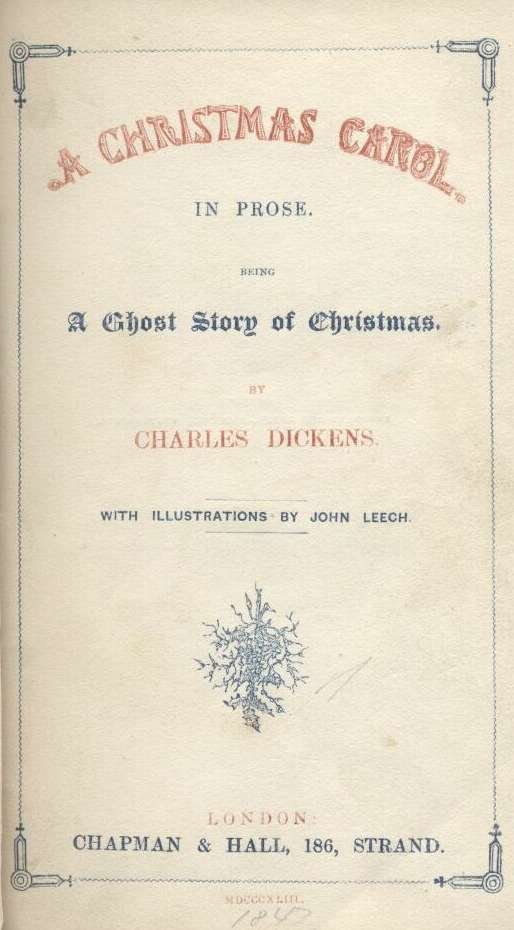
- A Christmas Carol, Stave One
Project Gutenberg · Source undated · Consulted 15 Sept 2026The inspected text includes Scrooge's encounter with the door knocker and his inspection of the house. The discussion of comic suspense is interpretive.
Send a correction with the passage and supporting source.