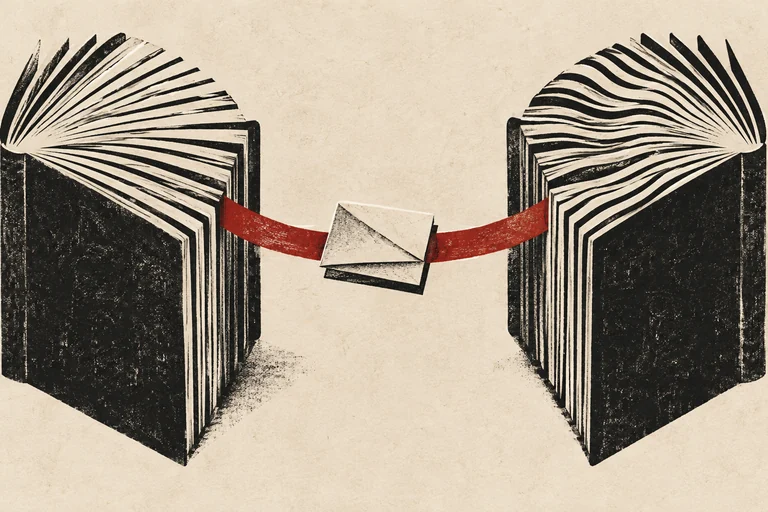
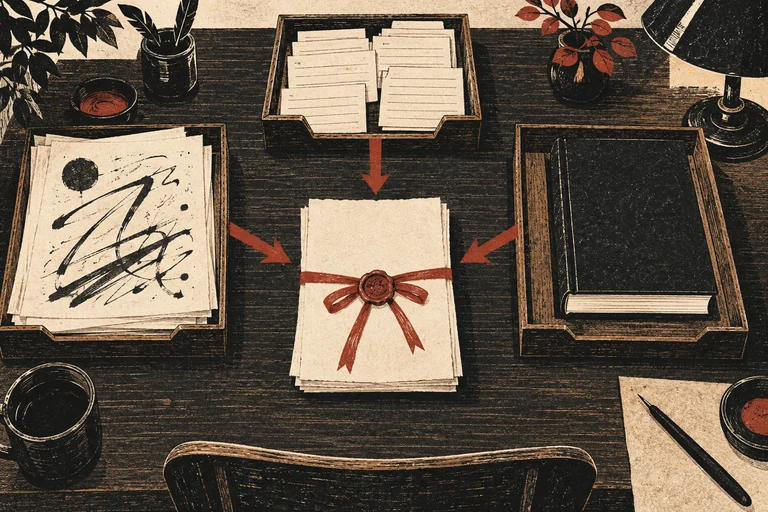
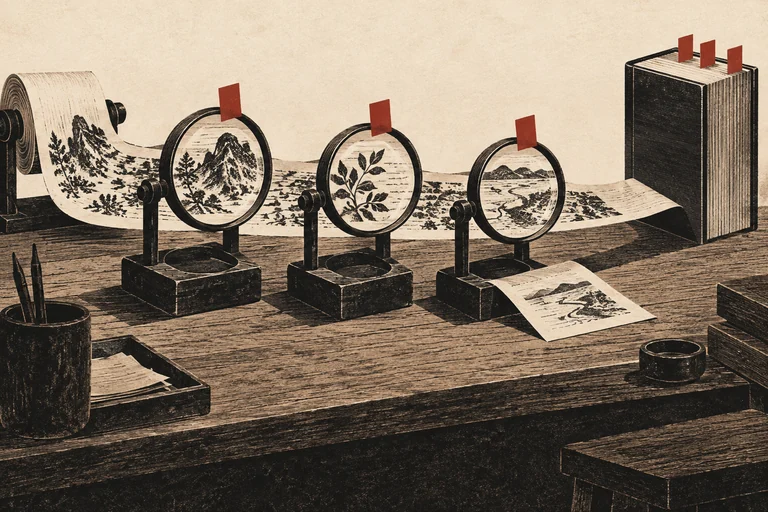
Revision removes evidence of its own labor. A clean paragraph no longer shows the doubtful date, the abandoned quotation, or the outside suggestion that sent the writer back to a source. That is often good for the prose. It can be inconvenient when an editor asks where a sentence came from.
The record has a modest job
Keep a separate working note for claims, source material, permissions, and significant tool use. It does not need to reproduce every keystroke. It needs to help you answer a few questions later: what supports this passage, what changed it, and what still requires a decision?
This is especially useful when a tool contributes text or imagery that survives into the manuscript. The appearance of a polished draft can make those contributions hard to distinguish from material the author composed or verified elsewhere. Record them while the distinction is easy to remember.
A retailer’s definition is specific
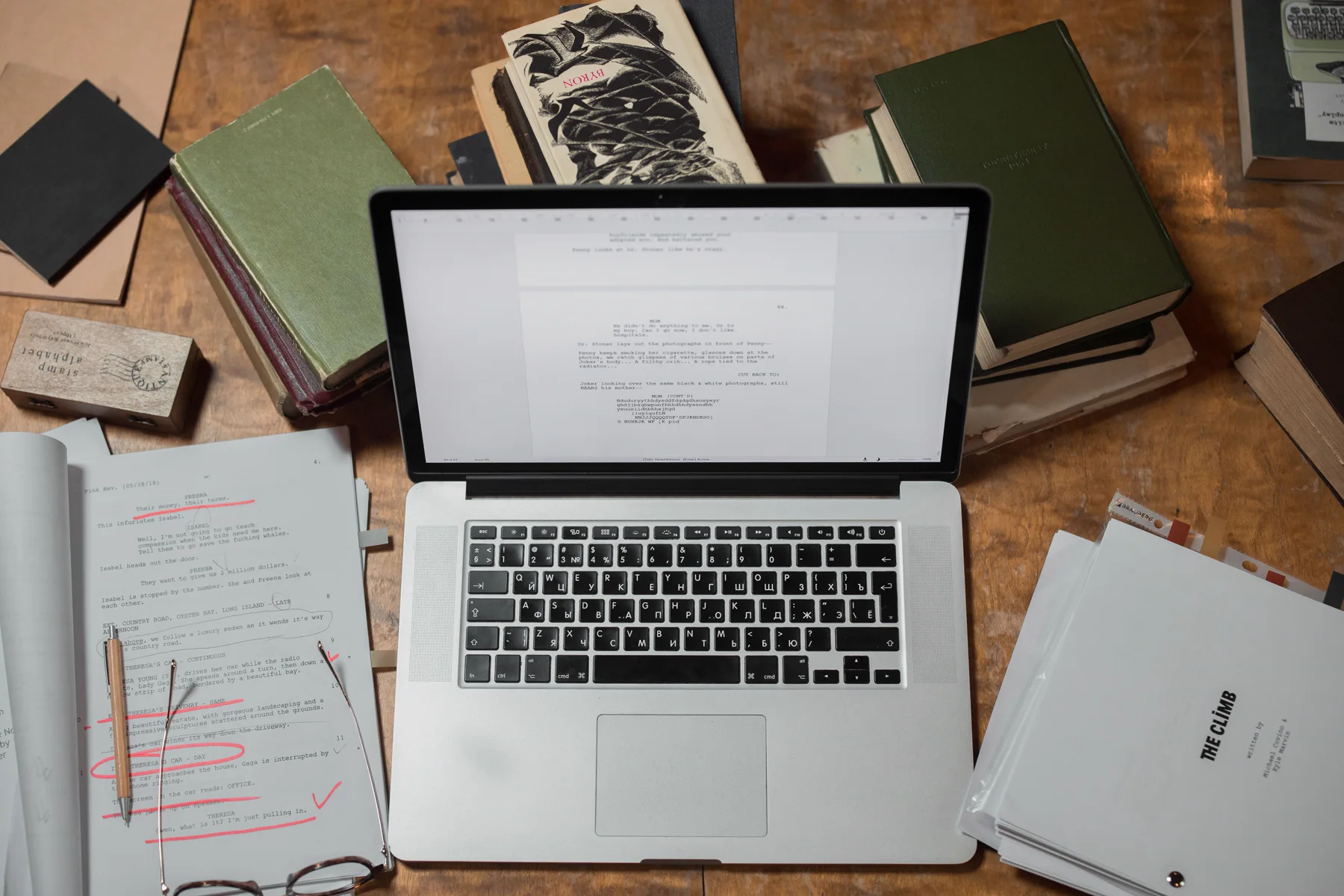
KDP’s current guidance distinguishes content created by an AI tool from content a person created and then refined with AI assistance. It says generated content remains in that category even after substantial editing, and asks publishers to disclose it through the KDP process. Read the exact definitions before preparing an upload.
That is a platform’s classification for a publishing workflow. It does not settle every question about a work’s authorship, rights, or artistic value. A ledger is useful because it lets the writer answer a specific question with a specific record instead of reconstructing the history from the finished file.
What one entry can contain
Start with the location in the manuscript and a description of the material. Add the source URL or bibliographic reference, the date consulted, and the passage that supports the claim. If a tool supplied a draft, note its role and what you retained. If a person made a correction, preserve the reason for it.
Keep unresolved items visible. “Date not confirmed” is more useful than a confident placeholder that later reads as fact. “Permission requested” and “permission granted” must remain distinct. A quotation needs a record that leads back to the text, including the edition or version when that affects the wording.
Working fields: passage · source · contribution · verification · permission · next action. These are suggested headings for your own notes.
Use the ledger during revision
Read a chapter for the claims it asks the reader to trust. Follow one from the final sentence back to the supporting material. If the link breaks, the problem may be a missing reference, an overextended paraphrase, or a fact that changed during rewriting. Fix the sentence and the record together.
Then read the chapter for voice. Documentation can support responsibility without dictating the sound of the work. A well-kept source note should give the writer more room to make a deliberate sentence because the factual uncertainty has been isolated.
The ledger is complete enough when another responsible reader can follow the important decisions. It remains beside the manuscript, available when needed, while the book carries the experience you intended.
Sources & limits
This is a practical documentation method, not a legal determination of authorship or copyright. KDP’s definitions concern its own disclosure process and may change. The sample fields are proposed working notes, not an official form.
- Kindle Direct Publishing — Content Guidelines
Kindle Direct Publishing · Source undated · Consulted 15 Sept 2026Reference for the format, object or working-method context described in this essay.
- Apple Books for Authors — Layouts and interiors
Apple Books for Authors · Source undated · Consulted 15 Sept 2026Reference for the format, object or working-method context described in this essay.
Send a correction with the passage and supporting source.