Chapter LedgerBooks · writing · the life of an edition

The subject shelf

Writing practice.

Move between the scene, the outline and another reader’s response. A method is useful when it reveals a decision, not when it makes every manuscript alike.

A place to begin

Make the next revision specific.

The complete shelf

Subject dates refer to works or events. All entries were prepared for this preview in September 2026. Undated guidance is grouped separately. With JavaScript off, every entry remains below.

17 entries

02Essay
Working reference

Writing practice

A record beside the manuscript.

When tools help shape a draft, a small working ledger can preserve the sources, choices, and responsibilities the prose leaves out.

2 sources · Source-based entry
↗
09Publishing guide
Working reference

Writing practice

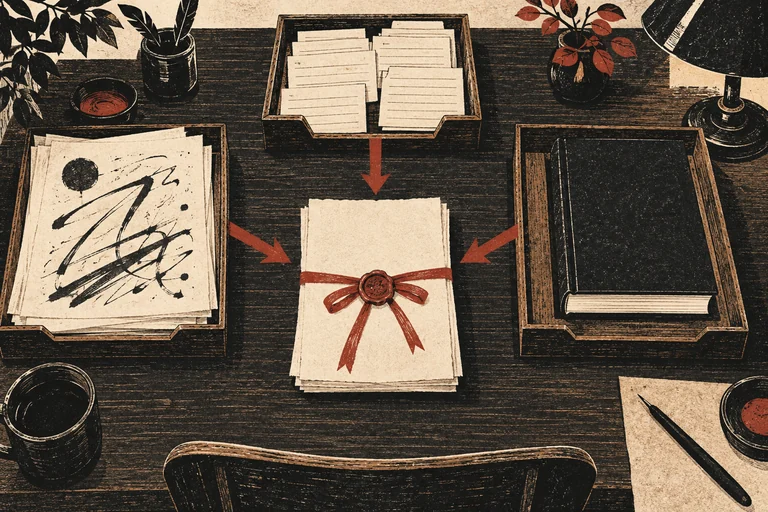
A Reverse Outline Diagnoses the Draft You Actually Have

A reverse outline turns paragraphs into a visible sequence of jobs, making repetition, drift, and missing turns easier to revise without mistaking a new outline for evidence about the draft.

1 source · Source-based entry
↗
10Publishing guide
Working reference

Writing practice

Scene and Summary Are Pace Choices, Not a Virtue Scale

A practical way to decide when a draft needs enacted time and when it needs compression, with a test for the information, pressure, and change that a scene must earn.

1 source · Source-based entry
↗
11Publishing guide
Working reference

Writing practice

Keep a Viewpoint Knowledge Ledger Before You Revise for Surprise

A scene-by-scene ledger separates what a character knows, suspects, says, and withholds, helping writers test revelation without forcing every reader into the same interpretive position.

1 source · Source-based entry
↗
12Publishing guide
Working reference

Writing practice

Revise Dialogue for Intention Before You Revise It for Accent

A dialogue pass that asks what each speaker is trying to change, protect, or avoid, helping writers retain particular voices without reducing people to phonetic display or interchangeable banter.

1 source · Source-based entry
↗
13Publishing guide
Working reference

Writing practice

A Beta-Reader Brief Makes Feedback More Usable

A short brief can focus a first reader on a draft’s live questions while preserving room for unexpected response; a processing method then separates patterns from commands.

1 source · Source-based entry
↗
14Publishing guide
Working reference

Writing practice

A Critique Group Needs a Protocol Before It Needs Opinions

A repeatable critique-group sequence gives writers a way to receive specific response, lets readers prioritize the draft’s larger questions, and limits the familiar drift into competing prescriptions.

2 sources · Source-based entry
↗
17Publishing guide
Working reference

Writing practice

A Quotation Notebook Needs Context and a Way Back

A quotation notebook becomes more reliable when every excerpt carries an edition, location, speaker or frame, and a note on why it was saved—so a striking line does not become detached evidence.

2 sources · Source-based entry
↗
23Publishing guide
Working reference

Writing practice

Hand Off a Style Sheet as a Working Decision Record

A concise method for turning copyediting decisions into a usable handoff for authors, proofreaders, typesetters, and future editions.

2 sources · Source-based entry
↗
54Publishing guide
Working reference
AI illustration

Writing practice

Translation Handoff Begins With a Brief

A practical translation handoff that preserves scope, terminology, voice decisions, and review responsibility without claiming that a fluent draft is publication-ready.

1 source · Source-based entry
↗
63Research desk
Working reference

Writing practice

From approved text to a usable edition

A sequence of review decisions that makes research, editorial approval, files, metadata, and corrections visible before release.

1 source · Source-based entry
↗
73Research note
Working reference

Writing practice

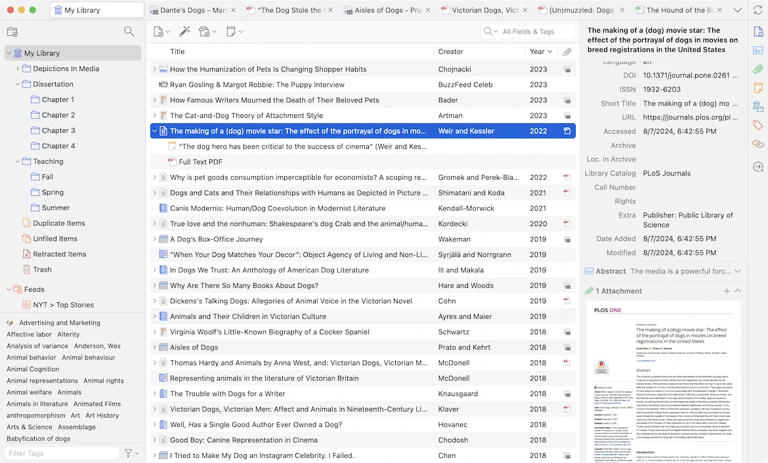
One source, several chapters: organizing a research library.

Collections and tags solve different problems. A practical source library keeps the identity of a document stable while allowing it to appear wherever the manuscript needs it.

1 source · Source-based entry
↗
82Text study
Subject: 1847

Writing practice

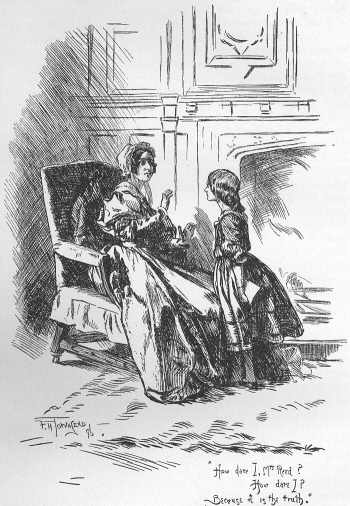
The Red-Room and a Child's Scale of Fear: Jane Eyre, Chapter 2

Charlotte Brontë makes the Red-Room terrifying by filtering furniture, light, and family history through Jane's constrained attention. Chapter 2 shows how a setting can become active without losing its physical specificity.

1 source · Passage study
↗
84Text study
Subject: 1853

Writing practice

A Refrain Against the Office: Bartleby the Scrivener

Melville's “I would prefer not to” is not a slogan extracted from a story; it is a sentence whose polite grammar alters the office each time it returns. The tale shows how repetition can change power without changing words.

1 source · Passage study
↗

Earlier records, in context.

All 100 historical records ↗

The weekly letter

Something to return to.

A weekly letter about the writing life, the making of books, and the details that reward a slower look.

How we handle your email

Newsletter signup is separate from submissions and contact messages.