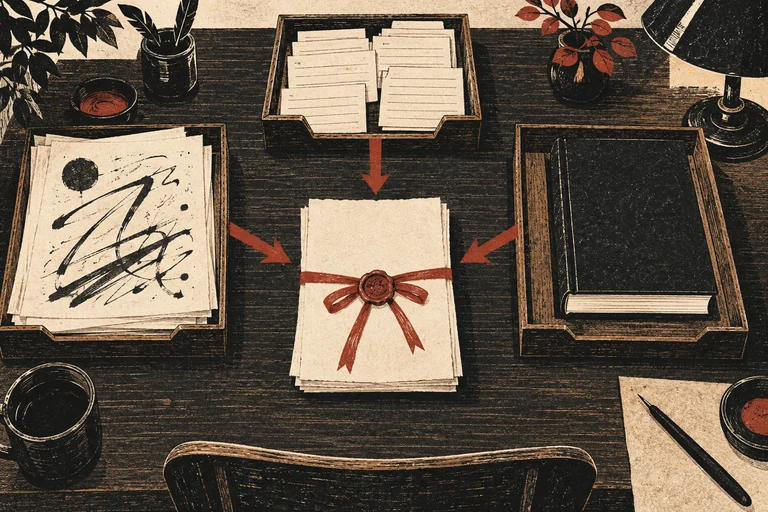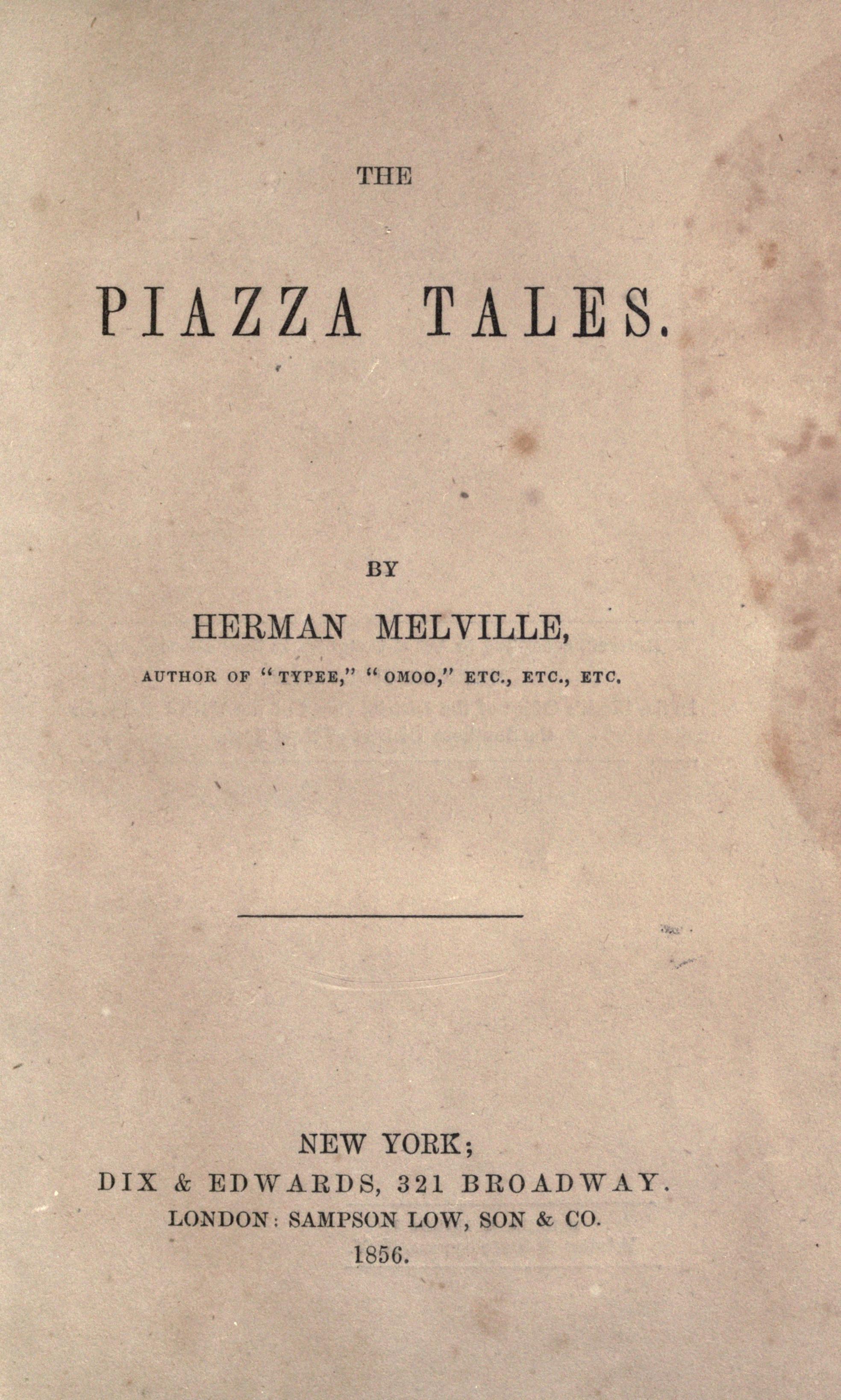
The passage
In Melville's “Bartleby, the Scrivener,” the lawyer first asks his new copyist to help examine a document. Bartleby answers, “I would prefer not to.” The sentence is short, but it changes the room because it declines the expected grammar of command and refusal alike. It is neither an argument nor an outright challenge.
Politeness that gives no purchase
The lawyer keeps trying to discover what kind of statement he has heard. Is it a temporary preference, a joke, an insubordination that can be corrected, a symptom that deserves pity? Bartleby supplies no explanatory category. His wording remains mild, which makes an ordinary reprimand feel disproportionately violent. The narrator's professional habits depend on response: orders are followed, objections are reasoned with, clerks can be ranked and managed. Preference quietly exits that system.
Repetition is essential. The same construction returns in new circumstances, first as a refusal to compare copies, then to perform other office work, then to leave. Its meaning changes because the setting changes around it. The office becomes more agitated, the lawyer more inventive and compromised, while Bartleby's language scarcely moves. Melville therefore makes the refrain active without making it expressive in the usual sense. The refusal does not reveal a hidden doctrine; it creates practical consequences that everyone else must interpret.
A craft use
For a repeated line to stay alive, keep the words stable but alter the demand that meets them. Let each recurrence expose a new limit in the surrounding institution or relationship. The line gains weight when other speakers work harder and harder to make it mean something manageable. Resist explaining the refrain too early: its force may depend on the social labor of speakers who cannot tolerate its ambiguity. Let practical consequences, rather than an authorial gloss, teach the reader how the line has changed the room.
Sources & limits
This is a close reading of the inspected Project Gutenberg transcription; it does not diagnose Bartleby or treat the refrain as a detachable maxim.
- Bartleby, the Scrivener
Project Gutenberg · Source undated · Consulted 15 Sept 2026The inspected story repeatedly uses Bartleby's formula in escalating office circumstances. The account of institutional pressure is interpretive.
Send a correction with the passage and supporting source.