Start with the territory in the record
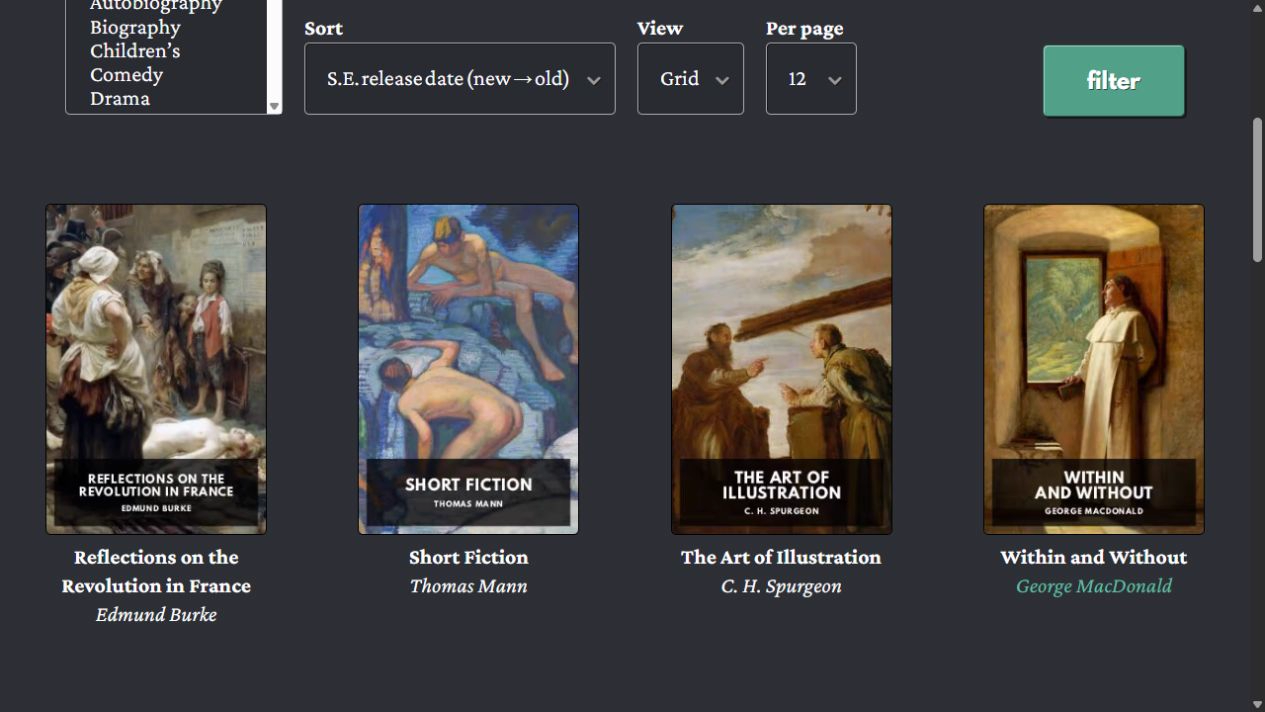
Standard Ebooks says its editions are texts and cover art thought to be in the public domain in the United States. That wording is careful: it names a territory and a state of knowledge. Its about page also says the organization dedicates its own work in the ebook files to the public domain. Neither statement establishes that a source text, translation, introduction, image, or edition is free of restriction in every country. The useful production lesson is to make the boundary visible before work begins.
Open a rights note for each proposed edition. Record the underlying text, the edition or scan used, translator or editor where relevant, artwork, jurisdiction considered, source of the status information, retrieval date, and questions still open. A title can be old while a translation, annotation, or cover image is not. ‘Public domain’ without an object and place is too blunt to guide an editor.
Treat production as editorial work
Standard Ebooks describes itself as a volunteer-driven effort to make carefully formatted, accessible, open-source, free public-domain ebooks, and its current contribution page points prospective producers to a process, a step-by-step guide, a manual of style, source-folder documentation, and active projects. Those pages establish the organization’s production emphasis. The following method is our interpretation of that emphasis, not a description of one mandatory Standard Ebooks workflow.
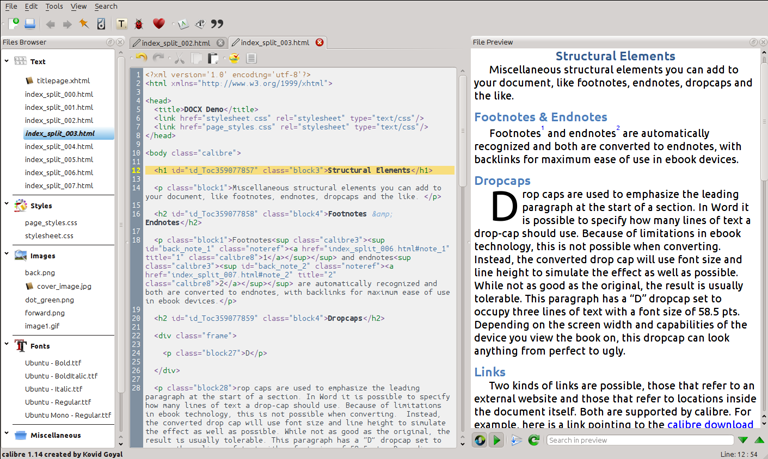
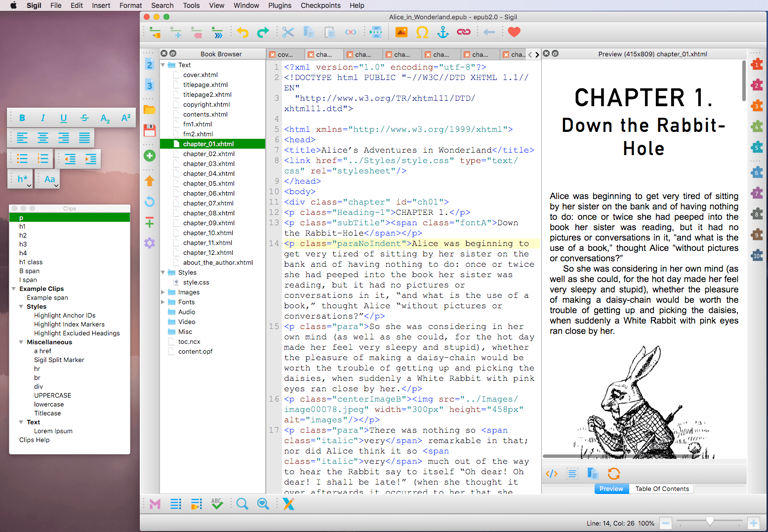
Choose a reliable source text and compare it against page images or another accountable edition at places where OCR commonly breaks: chapter numbers, italics, verse, diacritics, footnotes, and scene ornaments. Establish meaningful headings and document landmarks before adjusting typography. Make every image, note, and unusual layout answer a reader question: what is this, how do I reach it, and how do I return? A polished cover cannot compensate for a reader who cannot locate the next chapter.
Make review a public service
Separate transcription review from typographic review and from reader-route review. The first asks whether the text is what the source supports. The second asks whether the page treats paragraphs, quotations, verse, and notes consistently. The third asks whether the edition can be entered, navigated, and left without a private knowledge of its files. Different eyes can find different failures; one person can still make the passes at different times with a written checklist.
Keep corrections as accountable changes. Note the source evidence for a textual correction, the file changed, and the reason. If a historical source is unclear, do not silently modernize it in the name of tidiness. Mark the uncertainty for later review. The public-domain boundary makes reuse possible; the production record makes the particular edition trustworthy.
Do not overstate the model
Standard Ebooks’ U.S.-specific statement is not legal clearance for another publisher or territory. Consult qualified rights advice where the release requires it. The practical recommendation here is narrower: build the rights and source record early enough that design work does not force a rushed conclusion later.
Sources & limits
This is not legal advice or a determination of copyright status. The supplied producing-an-ebook URL returned a current 404; the current contribution page and public-domain page were used instead.
- About Standard Ebooks
Standard Ebooks · Source undated · Consulted 16 Sept 2026Standard Ebooks describes a volunteer-driven collection of carefully formatted, accessible, open-source, free public-domain ebooks and says its own ebook-file work is dedicated to the public domain.
- Get Involved
Standard Ebooks · Source undated · Consulted 16 Sept 2026The current contribution page links prospective producers to its process, step-by-step guide, manual of style, source-folder documentation, toolset, and active projects.
- Standard Ebooks and the Public Domain
Standard Ebooks · Source undated · Consulted 16 Sept 2026Standard Ebooks says its texts and cover-art designs are thought to be in the public domain in the United States and that it dedicates its ebook files to the public domain.
Send a correction with the passage and supporting source.