Chapter LedgerBooks · writing · the life of an edition

The subject shelf

Editions & access.

Navigation, notes, reflow and production checks belong to the reading experience. Follow the book through its formats without assuming one preview proves them all.

A place to begin

Give the reader more than one way in.

The complete shelf

Subject dates refer to works or events. All entries were prepared for this preview in September 2026. Undated guidance is grouped separately. With JavaScript off, every entry remains below.

27 entries

01Essay
Working reference

Editions & access

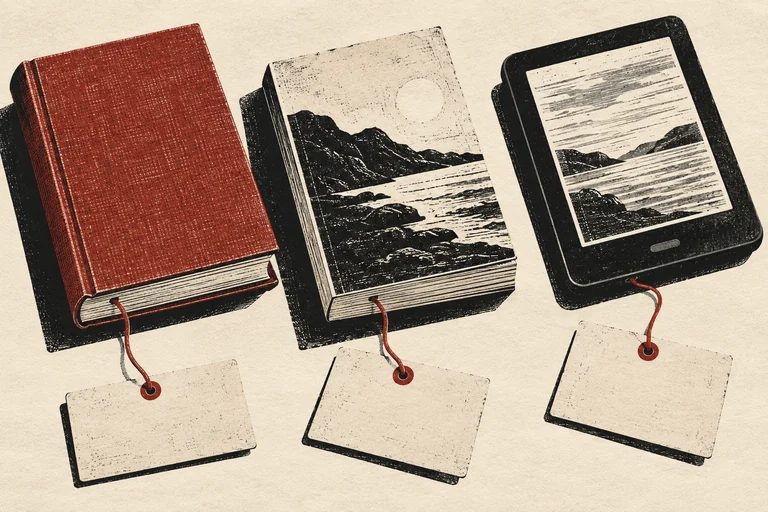
The last edit is the edition.

A finished manuscript still has to become a book someone can move through. Format is part of that encounter.

2 sources · Source-based entry
↗
03Publishing guide
Working reference

Editions & access

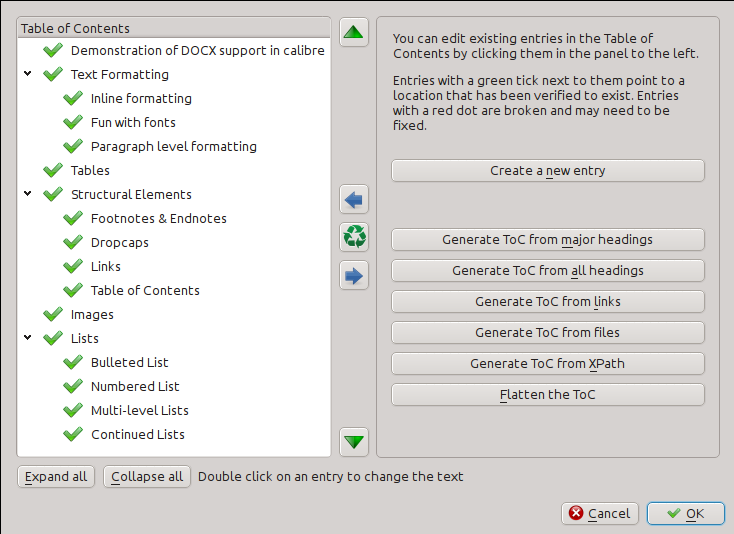
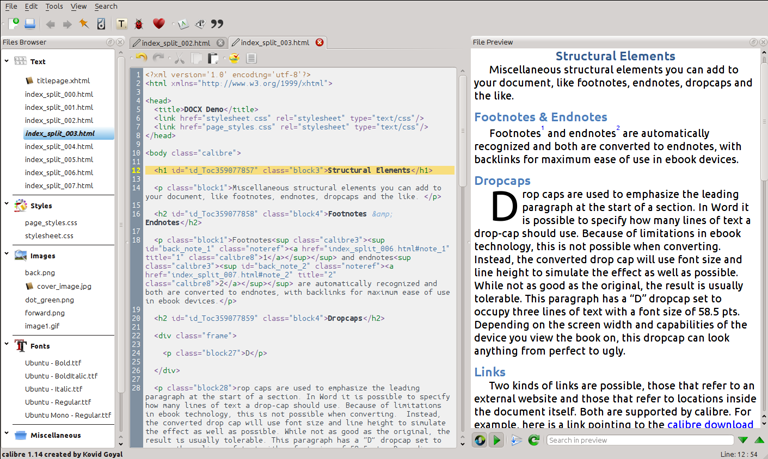
Calibre Checks Should Follow the Reading Order

A practical route through Calibre’s editor: preserve a checkpoint, inspect the spine as a reader will meet it, and treat automated findings as questions for the edition.

2 sources · Source-based entry
↗
04Publishing guide
Working reference

Editions & access

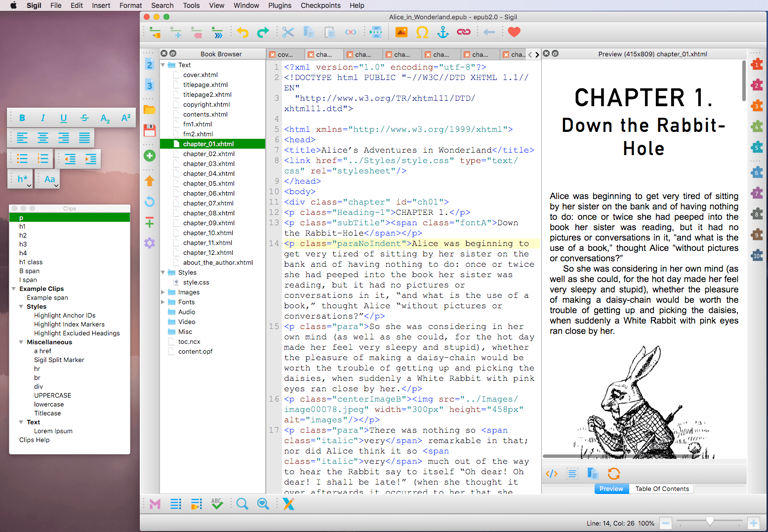
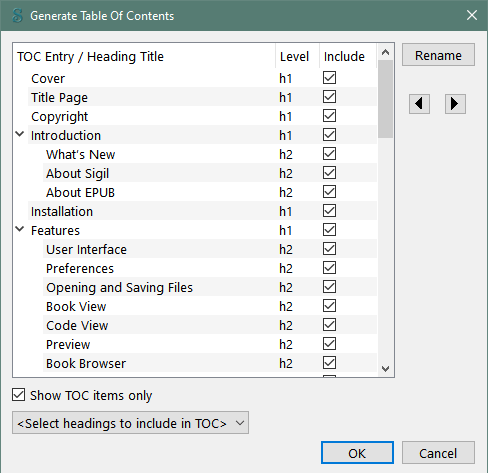
Let Sigil’s Code and Preview Argue Usefully

A structured editing method for Sigil: make a small semantic change in code, read its consequence in preview, and preserve the difference between appearance and package structure.

2 sources · Source-based entry
↗
05Publishing guide
Working reference

Editions & access

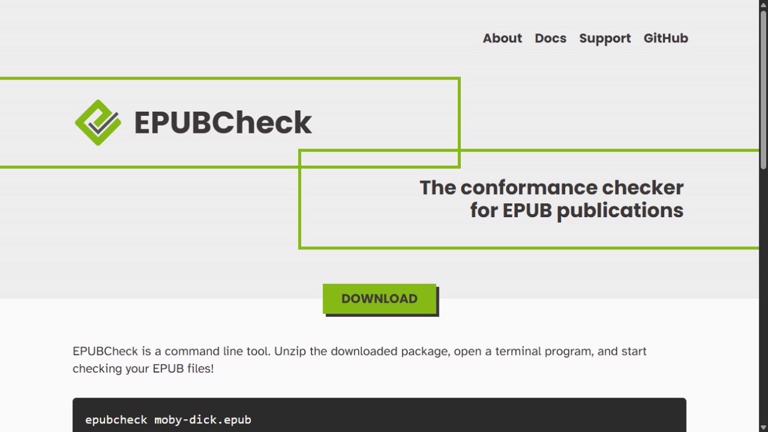
EPUBCheck Is a Gate, Not a Reader

How to use EPUBCheck’s conformance result without mistaking it for a finding about clarity, navigation, or a disabled reader’s actual route through an edition.

2 sources · Source-based entry
↗
06Publishing guide
Working reference

Editions & access

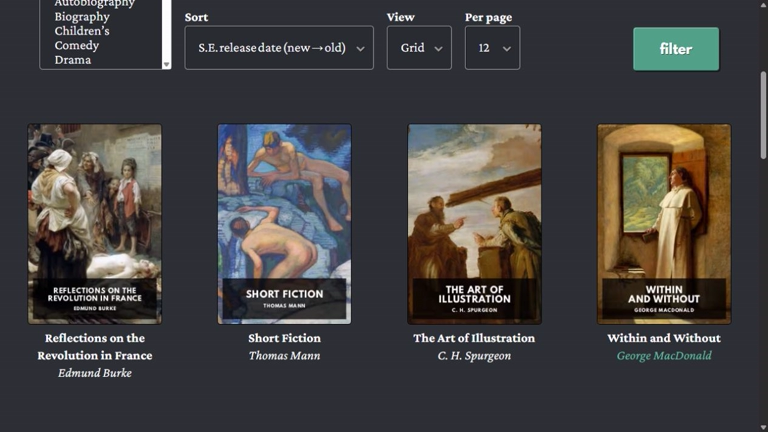
A Standard Edition Begins With a Public-Domain Boundary

What Standard Ebooks’ production practice suggests about beginning with a bounded rights record, then carrying typography, markup, and review as responsibilities rather than embellishments.

3 sources · Source-based entry
↗
07Publishing guide
Working reference

Editions & access

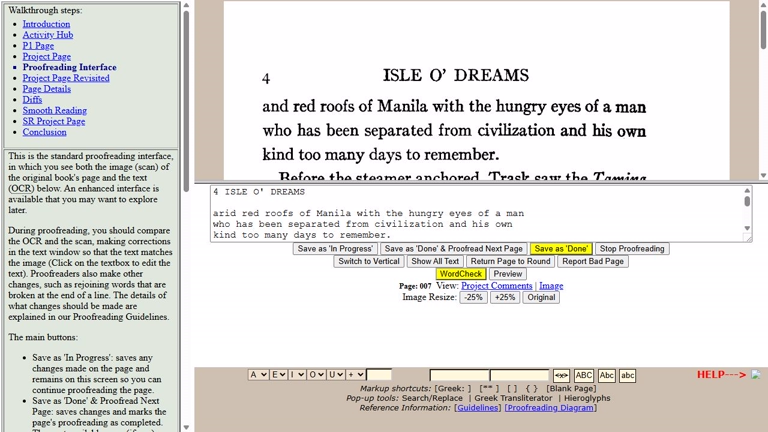
Distributed Proofreading Makes the Scan Answerable

A transcription method drawn from Distributed Proofreaders’ page-by-page workflow: compare OCR to the scan, preserve uncertainty, and let a second pass meet the same evidence.

2 sources · Source-based entry
↗
08Publishing guide
Working reference

Editions & access

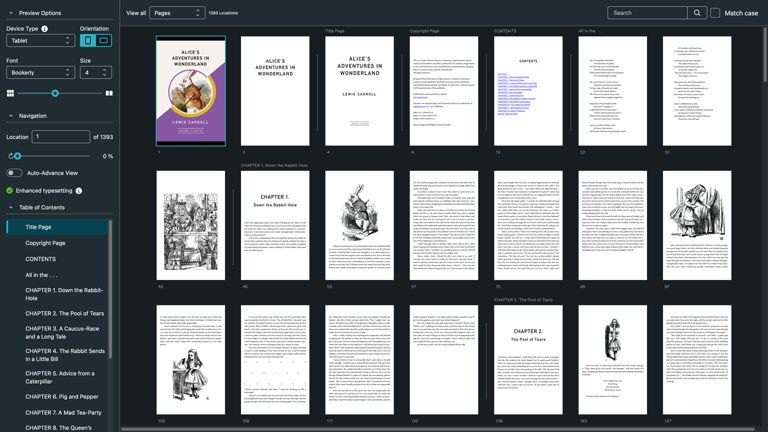
Kindle Previewer Is a View, Not a Device Lab

A restrained proofing route for Kindle Previewer: vary device, orientation, font, and significant elements, then keep its modeled view separate from claims about every reading device.

3 sources · Source-based entry
↗
15Research note
Working reference

Editions & access

Compare Translations by Aligning a Passage, Not by Crowning a Winner

A close-reading procedure for putting two translations beside a stable passage reference, tracing choices in emphasis and register without treating an unfamiliar language or a single English version as the final authority.
1 source · Source-based entry
↗
19Publishing guide
Working reference

Editions & access

EPUB Footnotes Need a Return Route

A production check for making a note reference, its note, and its return link behave as one readerly movement.

2 sources · Source-based entry
↗
20Publishing guide
Working reference

Editions & access

Map EPUB Page Breaks to the Edition You Mean

A bounded method for making a page list useful when a digital edition must point readers back to stable printed pages.

2 sources · Source-based entry
↗
21Publishing guide
Working reference

Editions & access

A Cover Thumbnail Is Its Own Reading Size

A practical thumbnail review that protects title, author, series, and contrast without mistaking a bookshelf image for a full cover proof.

1 source · Source-based entry
↗
22Publishing guide
Working reference

Editions & access

Build an Index as a Reader Retrieval Map

A production method for turning a list of mentioned words into useful access points, cross-references, and edition-specific locators.

2 sources · Source-based entry
↗
37Publishing guide
Working reference
AI illustration

Editions & access

ISBN Is a Record of the Version

A practical method for assigning identifiers to editions and formats without confusing an ISBN with copyright or a barcode.

2 sources · Source-based entry
↗
40Publishing guide
Working reference

Editions & access

EPUB Navigation Is a Second Way In

How to make EPUB navigation usable after reading systems strip decoration, and when page lists and landmarks help.

1 source · Source-based entry
↗
57Publishing guide
Working reference
AI illustration

Editions & access

Errata Is a Reader Service

How to correct a published error without making the publication history unreadable or confusing readers about which version they hold.

1 source · Source-based entry
↗
59Publishing guide
Working reference

Editions & access

Notes and Tables Need an Access Route

A test for footnotes, endnotes, tables, and cross-references that makes their information reachable in reflowable and assistive reading.

1 source · Source-based entry
↗
72Research note
Working reference
AI illustration

Editions & access

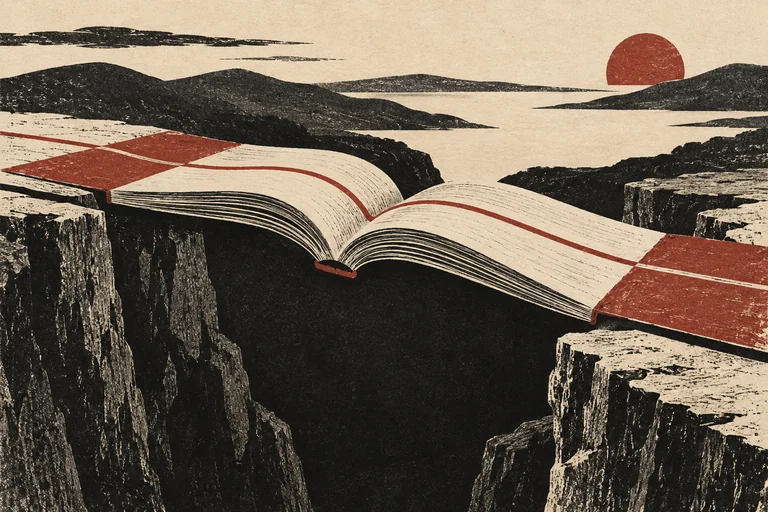
Three ways to turn the pages of Frankenstein.

A manuscript archive can offer physical order, reconstructed notebook order and narrative order. The Shelley-Godwin Archive makes those different routes visible rather than pretending they are interchangeable.

1 source · Source-based entry
↗

Earlier records, in context.

All 100 historical records ↗

The weekly letter

Something to return to.

A weekly letter about the writing life, the making of books, and the details that reward a slower look.

How we handle your email

Newsletter signup is separate from submissions and contact messages.