For a readable text: Project Gutenberg
Begin with a book’s catalogue landing page, then open the supplied text. Record the ebook number and relevant passage. Gutenberg’s own guidance explains that its electronic editions may modernize spelling, alter formatting or draw on more than one print source. A searchable transcription is useful, but it is not automatically a facsimile of a particular first edition.
For a writing history: the Shelley-Godwin Archive
The Frankenstein materials offer manuscript images, transcriptions and explanations of how the surviving notebooks relate to printed versions. Use this kind of archive when the question concerns a draft or revision. Record the document and view you consulted. An attractive handwritten page should not become generic evidence for a claim that it does not contain.
For a made object: a museum catalogue
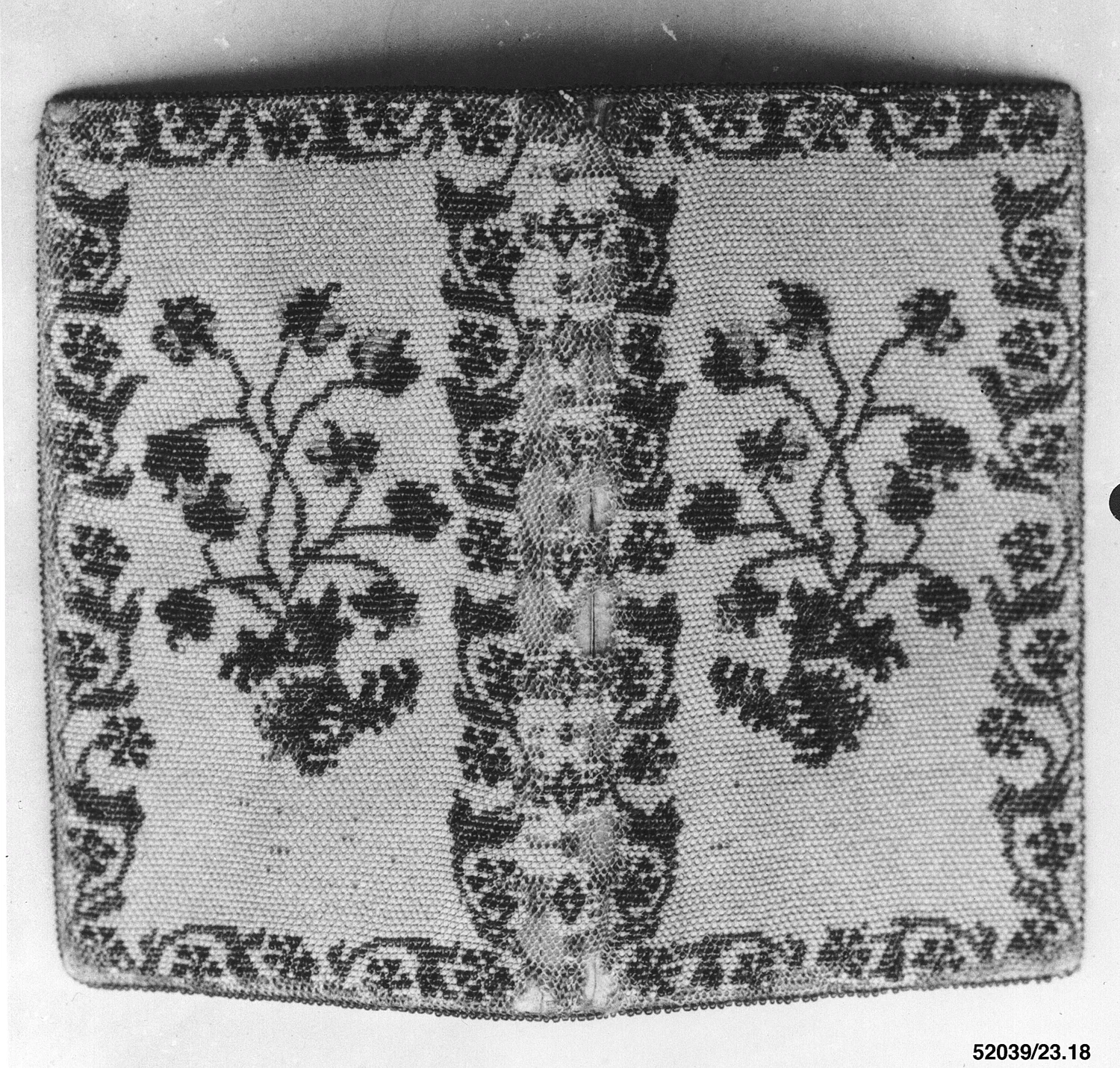
The Metropolitan Museum of Art’s record for a French embroidered bookbinding dated 1776 is a different kind of source. It identifies an object, medium and collection record. That can support a material description of the binding. It cannot tell us that an unseen text inside it was well written, widely read or arranged like a modern ebook.
Let the question choose the source
Try making a note with three headings: wording, version, object. Under each, write what you know and which source supports it. Some cells will remain empty. That is a useful result: it prevents the authority of a good catalogue from spilling into claims beyond its scope.
This shelf is deliberately small. It is meant to demonstrate a method for moving among kinds of evidence, not to rank archives or define a literary canon. Before reusing an image or text, consult the specific item’s rights record and the relevant jurisdiction. A source credit helps readers trace an object; it is not, by itself, a permission grant.
Sources & limits
A source-selection route. Institutional records and rights statements have distinct scopes; the linked guidance does not clear every item for every use.
- Project Gutenberg permissions, editions and citation guidance
Project Gutenberg · Source undated · Consulted 15 Sept 2026Distinguishes U.S. public-domain status, item-specific rights, electronic edition practices and source citation.
- Frankenstein: manuscripts and versions
Shelley-Godwin Archive · Source undated · Consulted 15 Sept 2026Explains the surviving draft and fair copy, notebook versus manuscript order, and links to the 1818/1831 editions.
- Bookbinding, French, 1776, object 23.18
The Metropolitan Museum of Art · Source undated · Consulted 15 Sept 2026Object identity, date and embroidered textile medium; collection record reused from the retained opening essay.
Send a correction with the passage and supporting source.