Start from the reader task
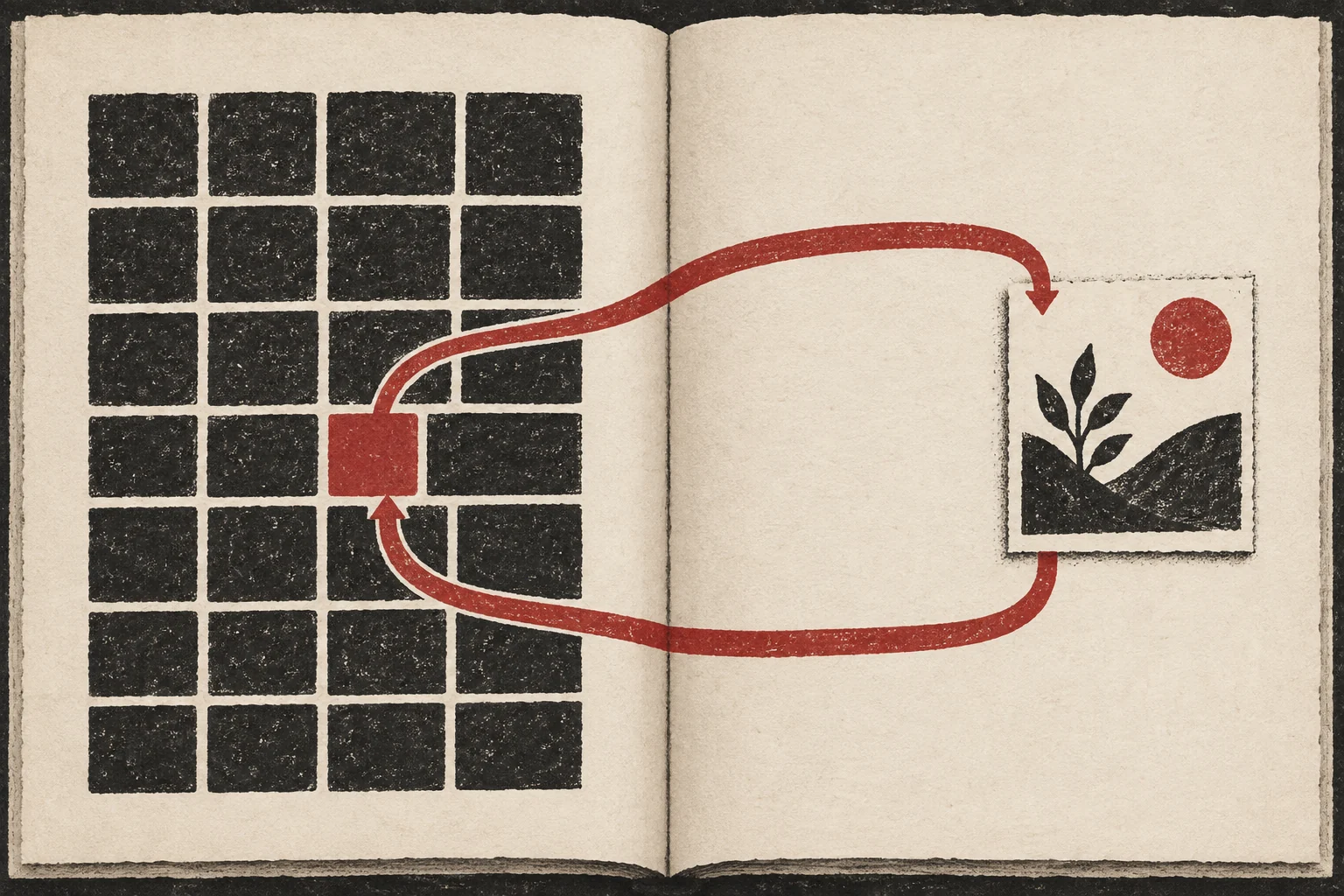
A note is useful only if the reader can reach it, understand it, and return. A table is useful only if its relationships survive the device. EPUB Accessibility assesses the publication as a whole, so a well-marked chapter does not excuse a notes section that becomes a maze.
For a scholarly essay, test a note link from body to note and back at large type. For a comparison table, identify its headers, units, scope, and any footnote that changes a value.
Choose form by content
A short source citation may work as an endnote; a long methodological explanation may belong in the main flow or appendix. A simple table can use real headers and cells; a dense matrix may need a short narrative summary and downloadable accessible data where appropriate.
Inspect the changed page
Test after conversion, not only in authoring software. Navigate by keyboard and reading-system controls where available, and record known limitations instead of claiming universal access.
Specific production checks
For a 12-column comparison chart, ask whether readers actually need all dimensions simultaneously. Split it by task, turn repeated cells into a glossary, or provide a brief ordered list of conclusions. Preserve the full data only where its detail is genuinely necessary.
Test a note reference when it appears inside a quotation, table cell, and heading. Each must have a sensible reading order and return route. If conversion removes a backlink, give the note a clear textual label and record the limitation for the next production pass.
Sources & limits
This is editorial workflow guidance, not legal, contractual, financial, or platform-specific advice. Confirm current requirements for the actual project.
- EPUB Accessibility 1.1
W3C · Source dated 17 Oct 2024 · Consulted 15 Sept 2026EPUB accessibility is assessed across the publication and requires discoverability metadata.
Send a correction with the passage and supporting source.