Log before layout
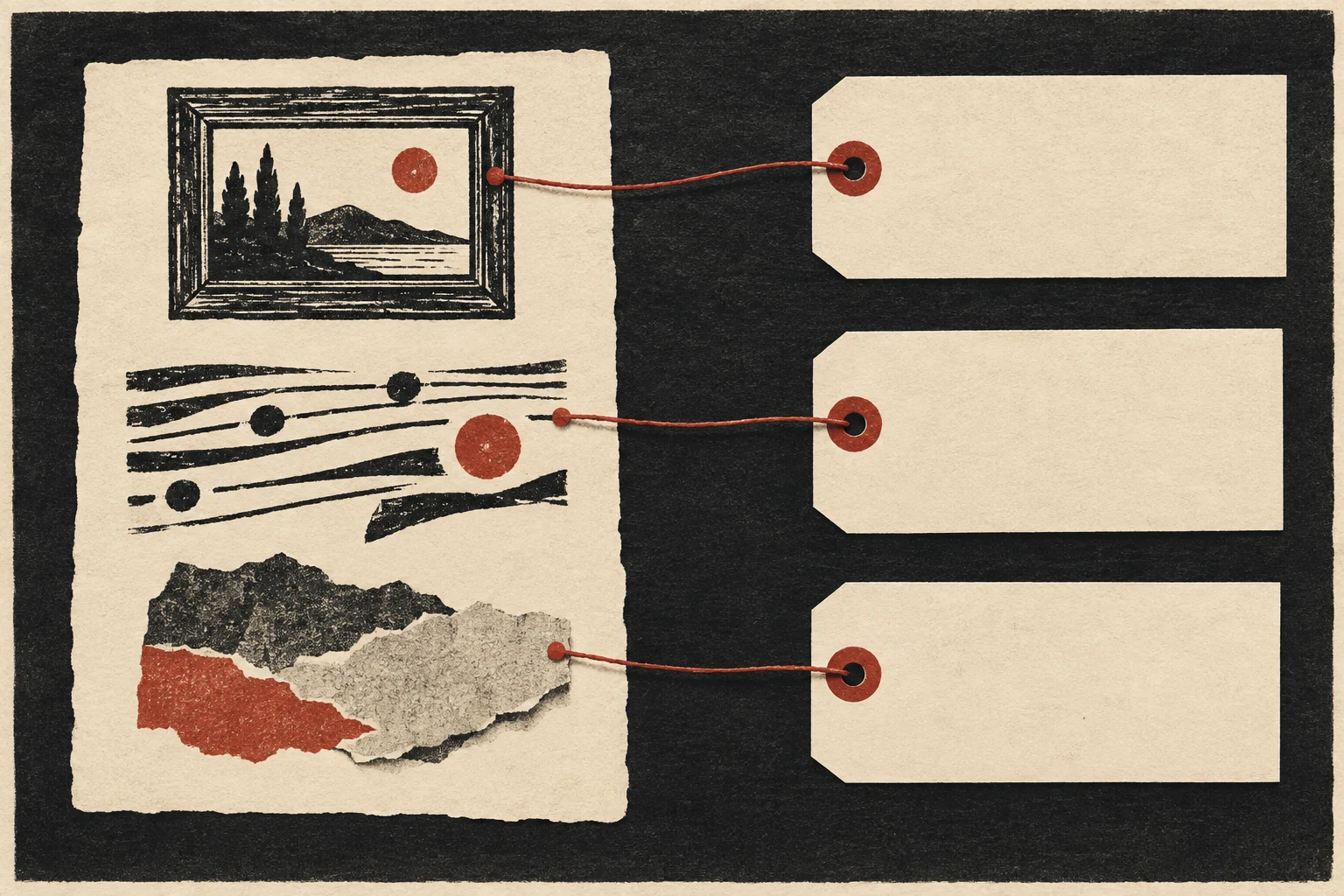
A permissions log is a list of questions, not proof that a use is cleared. Give every item an ID, description, creator, source, proposed use, edition, territory, status, contact, license or correspondence reference, and expiry or restriction.
For a photograph in a history book, distinguish ownership of the image file from any permissions needed for the depicted artwork, archive terms, or credit line. Never collapse these questions into “found online.”
Use statuses honestly
Use clear status labels: owned, public-domain claim awaiting check, permission requested, permission granted with terms, licensed, replaced, or do not use. Do not let “no reply” become “approved.”
Close the loop
Compare the final layout against the log: every item present, omitted, or substituted should reconcile. The Copyright Office’s general rule is to seek permission for use of protected work; exceptions are fact-specific and need appropriate advice.
Specific production checks
For every quotation, record edition, page or location, word count, and why it is used. For every visual, save the exact asset file used, not merely the search-result page. This lets layout, marketing, and later editions refer to the same evidence.
Before release, filter the log for “requested,” “conditional,” and “expiry.” A license limited to one language or format cannot silently become permission for an audiobook, translation, or social-media extract. Escalate unresolved items to a decision: clear, replace, omit, or seek advice.
Save the final credit line as approved, because a license may require particular wording that a copyediting pass could otherwise simplify away.
Sources & limits
This is editorial workflow guidance, not legal, contractual, financial, or platform-specific advice. Confirm current requirements for the actual project.
- How to Obtain Permission
U.S. Copyright Office · Source undated · Consulted 15 Sept 2026Copyright owners hold exclusive rights subject to limitations; for intended use of a work not created by the user, the Office advises determining copyright status and, unless a limitation applies, seeking permission from the current owner.
Send a correction with the passage and supporting source.