A draft is also an object
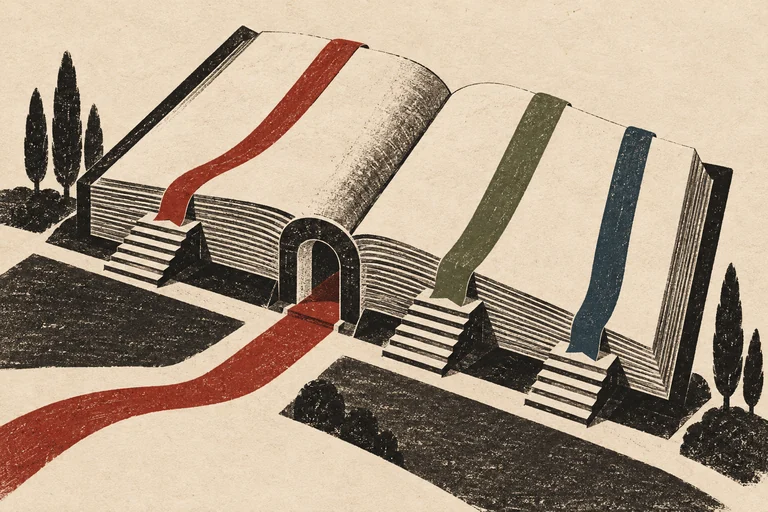
The Shelley-Godwin Archive describes Frankenstein’s surviving draft as pages from two notebooks, now held under Bodleian manuscript shelfmarks. The notebook divisions do not simply match the disbound manuscript arrangement. Its interface therefore offers access by reconstructed notebook, physical manuscript sequence and linear chapter sequence.
That is an editorial decision with consequences for research. Following a story and studying the order of leaves are different activities. Neither view is inherently the whole truth about the object; each answers a particular question.
Name the view you are using
Before making a claim about revision, note the shelfmark, leaf or page, chosen sequence and transcription. If a word looks altered, distinguish what you can see in the image from what an editor has interpreted in the transcription. The archive explains that its transcriptions and attributed hands build on Charles E. Robinson’s scholarship.
The presence of another hand should not be converted into a sweeping theory of authorship from a single page. The source record, surrounding revisions and editorial account matter. A manuscript is evidence that needs reading, not a shortcut around the work of interpretation.
Make a small comparison
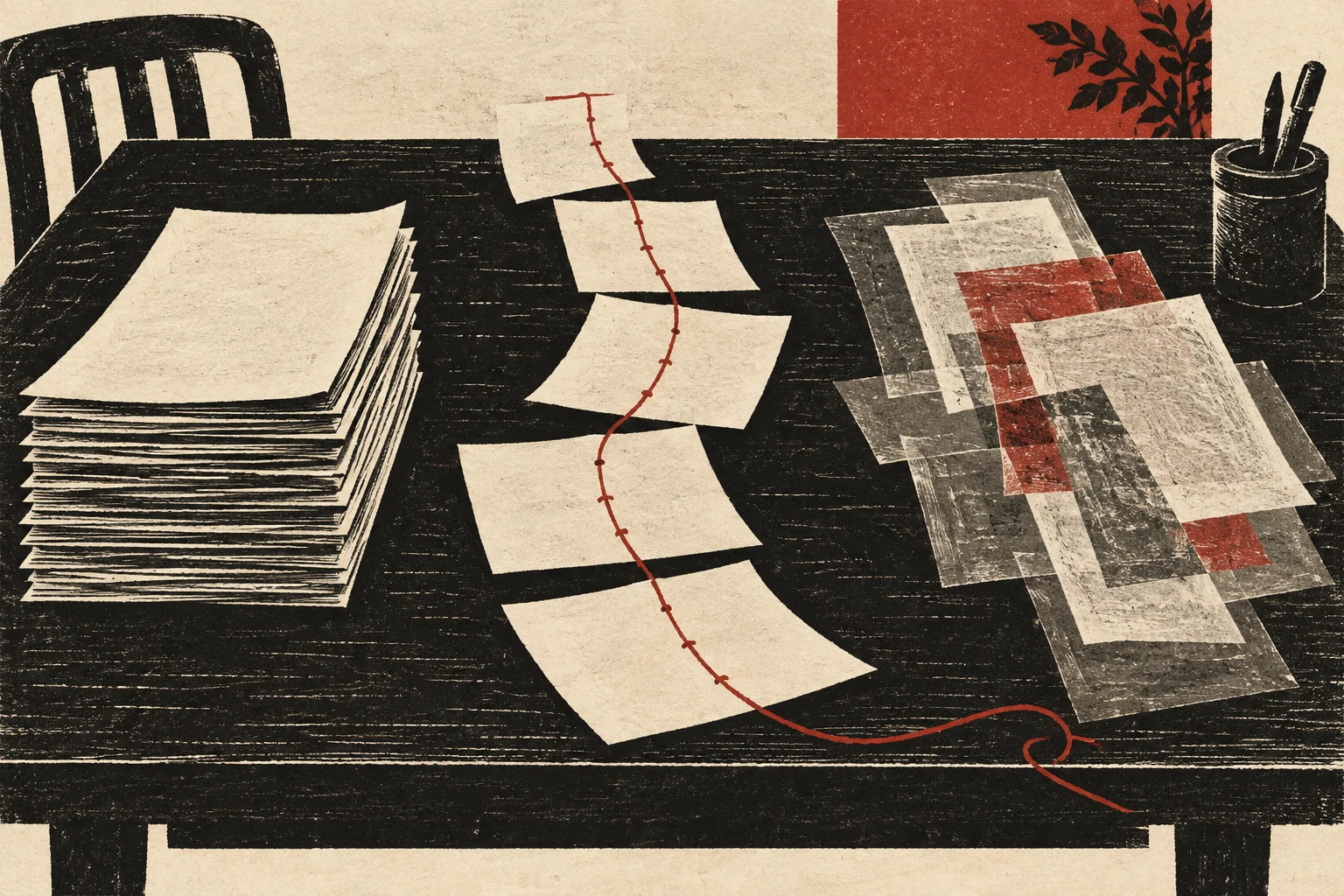
Start with one leaf and its transcription. Describe the visible marks without deciding immediately what they mean: an insertion, a deletion, a change in placement. Then read the archive’s explanation and compare the passage with a named printed edition where available.
The archive also links to the 1818 and 1831 texts. A quotation from one version should not drift into an argument about the other without notice. Keeping the version visible allows a reader to ask a more precise question: what changed here, in this sequence, and what claim can this particular trace support? That is a patient form of criticism, grounded in the document rather than the legend around it.
Sources & limits
A guide to the archive’s documented structure, not a fresh paleographic finding or a judgment about every revision.
- Frankenstein: manuscripts and versions
Shelley-Godwin Archive · Source undated · Consulted 15 Sept 2026Explains the surviving draft and fair copy, notebook versus manuscript order, and links to the 1818/1831 editions.
Send a correction with the passage and supporting source.