Melville’s scrivener enters a workplace built on comparing texts, and his refusal matters because it interrupts the ordinary step that makes a copy answerable to an original.
Research notes
Chapter Ledger / 32 entries
Follow the evidence.
Research notes, reading routes and working references. Each entry shows its source and the edge of what it establishes.
New research desk
Eight practical chapters for an edition in motion.
From the first source note to a publishing agreement: eight working chapters on tools, files, readers, money, and responsibility.
Research desk / Writing practice
Keep one manuscript, and a record beside it
Compare writing, research and production tools by the work they preserve, the file they hand over, and the checks a finished book still needs.
Research desk / AI & authorship
Before a manuscript enters an AI tool
A per-project method for deciding what a tool generated, what may be shared with it, and what a publisher or retailer needs to know.
Research desk / Writing practice
From approved text to a usable edition
A sequence of review decisions that makes research, editorial approval, files, metadata, and corrections visible before release.
Research desk / Publishing business
Choose the publishing route for the edition
How to compare direct, retail, wholesale, and partner-led publication without collapsing reach, rights, margin, and responsibility into one claim.
Research desk / Literary culture
Show a reader how the judgment was made
A way to review books with specific evidence, clear audience fit, and visible relationships instead of manufactured certainty.
Research desk / Publishing business
Give the first reader somewhere to go
A small launch plan that connects a reader’s first encounter with a truthful next step, rather than treating attention as an outcome by itself.
Research desk / Publishing business
What each sale contributes
A transparent way to model publishing costs without treating a royalty percentage, a sales target, or an industry average as a prediction.
Research desk / Publishing business
Read the publishing package as a contract
A pre-payment method for comparing editorial, production, distribution, and promotional services without mistaking a package for a publishing outcome.
Continue to research notes and reading routes Open the source index
The wider shelf
Notes, routes, and source records.
Subject dates refer to works or events. All entries were prepared for this preview in September 2026. Undated guidance is grouped separately. With JavaScript off, every entry remains below.
32 entries
No entries match those filters.
Try a broader phrase or use Clear filters to return to the complete shelf.
09Publishing guide
Working reference
Working reference
Writing practice
A Reverse Outline Diagnoses the Draft You Actually Have
A reverse outline turns paragraphs into a visible sequence of jobs, making repetition, drift, and missing turns easier to revise without mistaking a new outline for evidence about the draft.
1 source · Source-based entry10Publishing guide
Working reference
Working reference
Writing practice
Scene and Summary Are Pace Choices, Not a Virtue Scale
A practical way to decide when a draft needs enacted time and when it needs compression, with a test for the information, pressure, and change that a scene must earn.
1 source · Source-based entry11Publishing guide
Working reference
Working reference
Writing practice
Keep a Viewpoint Knowledge Ledger Before You Revise for Surprise
A scene-by-scene ledger separates what a character knows, suspects, says, and withholds, helping writers test revelation without forcing every reader into the same interpretive position.
1 source · Source-based entry12Publishing guide
Working reference
Working reference
Writing practice
Revise Dialogue for Intention Before You Revise It for Accent
A dialogue pass that asks what each speaker is trying to change, protect, or avoid, helping writers retain particular voices without reducing people to phonetic display or interchangeable banter.
1 source · Source-based entry13Publishing guide
Working reference
Working reference
Writing practice
A Beta-Reader Brief Makes Feedback More Usable
A short brief can focus a first reader on a draft’s live questions while preserving room for unexpected response; a processing method then separates patterns from commands.
1 source · Source-based entry14Publishing guide
Working reference
Working reference
Writing practice
A Critique Group Needs a Protocol Before It Needs Opinions
A repeatable critique-group sequence gives writers a way to receive specific response, lets readers prioritize the draft’s larger questions, and limits the familiar drift into competing prescriptions.
2 sources · Source-based entry17Publishing guide
Working reference
Working reference
Writing practice
A Quotation Notebook Needs Context and a Way Back
A quotation notebook becomes more reliable when every excerpt carries an edition, location, speaker or frame, and a note on why it was saved—so a striking line does not become detached evidence.
2 sources · Source-based entry18Research note
Working reference
Working reference
Literary culture
Evaluate a Book Review by Following Its Argument
A reader can assess a book review without treating taste as a flaw: identify its claim, evidence, standards, and omitted alternatives, then decide what its judgment actually helps another reader understand.
1 source · Source-based entry43Publishing guide
Working reference
Working reference
 AI illustration
Editions & access
Treat the Print Proof as a Reading Copy
A physical-proof inspection pass for print-on-demand books, focusing on repeated faults visible only in sequence.
1 source · Source-based entry53Publishing guide
Working reference
Working reference
 AI illustration
Editions & access
An Audio Credit Sheet Is a Listening Contract
A repeatable credit and production sheet for audiobooks that makes performances, rights, editions, and corrections traceable.
1 source · Source-based entry54Publishing guide
Working reference
Working reference
 AI illustration
Writing practice
Translation Handoff Begins With a Brief
A practical translation handoff that preserves scope, terminology, voice decisions, and review responsibility without claiming that a fluent draft is publication-ready.
1 source · Source-based entry55Publishing guide
Working reference
Working reference
 AI illustration
Publishing business
Contributor Scope Needs a Finished Definition
A scope sheet for editors, designers, illustrators, and researchers that turns a vague creative commission into a workable handoff.
1 source · Source-based entry56Publishing guide
Working reference
Working reference
 AI illustration
Editions & access
A Permissions Log Is a Prepublication Map
A practical ledger for quotations, images, maps, lyrics, data, and other third-party material that makes unresolved rights visible before release.
1 source · Source-based entry58Publishing guide
Working reference
Working reference
 AI illustration
Publishing business
Metadata Updates Need a Propagation List
A controlled method for carrying a legitimate product correction through the systems that display a book to readers and trade partners.
1 source · Source-based entry59Publishing guide
Working reference
Working reference
Editions & access
Notes and Tables Need an Access Route
A test for footnotes, endnotes, tables, and cross-references that makes their information reachable in reflowable and assistive reading.
1 source · Source-based entry60Publishing guide
Working reference
Working reference
 AI illustration
Editions & access
Archive the Source Package, Not Just the PDF
A preservation method for retaining the files and records needed to explain, correct, or remake a publication years after release.
1 source · Source-based entry61Research desk
Working reference
Working reference
 AI illustration
Writing practice
Keep one manuscript, and a record beside it
Compare writing, research and production tools by the work they preserve, the file they hand over, and the checks a finished book still needs.
58 sources · Source-based entry62Research desk
Working reference
Working reference
 AI illustration
AI & authorship
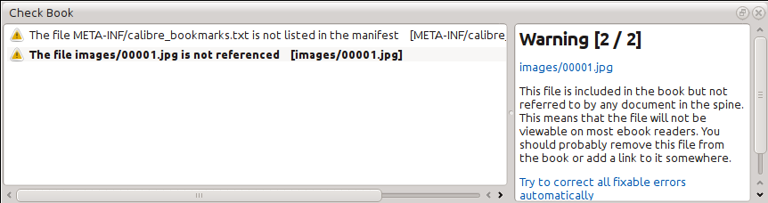
Before a manuscript enters an AI tool
A per-project method for deciding what a tool generated, what may be shared with it, and what a publisher or retailer needs to know.
2 sources · Source-based entry63Research desk
Working reference
Working reference
Writing practice
From approved text to a usable edition
A sequence of review decisions that makes research, editorial approval, files, metadata, and corrections visible before release.
1 source · Source-based entry64Research desk
Working reference
Working reference
 AI illustration
Publishing business
Choose the publishing route for the edition
How to compare direct, retail, wholesale, and partner-led publication without collapsing reach, rights, margin, and responsibility into one claim.
2 sources · Source-based entry65Research desk
Working reference
Working reference
 AI illustration
Literary culture
Show a reader how the judgment was made
A way to review books with specific evidence, clear audience fit, and visible relationships instead of manufactured certainty.
1 source · Source-based entry66Research desk
Working reference
Working reference
 AI illustration
Publishing business
Give the first reader somewhere to go
A small launch plan that connects a reader’s first encounter with a truthful next step, rather than treating attention as an outcome by itself.
1 source · Source-based entry67Research desk
Working reference
Working reference
 AI illustration
Publishing business
What each sale contributes
A transparent way to model publishing costs without treating a royalty percentage, a sales target, or an industry average as a prediction.
1 source · Source-based entry68Research desk
Working reference
Working reference
 AI illustration
Publishing business
Read the publishing package as a contract
A pre-payment method for comparing editorial, production, distribution, and promotional services without mistaking a package for a publishing outcome.
1 source · Source-based entry69Research note
Subject: 27 Sept 2023
Subject: 27 Sept 2023
 AI illustration
Publishing business
An author-income survey needs its population.
The Authors Guild’s 2023 survey concerns earnings in 2022. Its medians are useful only when the group being measured stays attached to the number.
1 source · Source-based entry70Research note
Subject: 2025
Subject: 2025
 AI illustration
AI & authorship
A detector score cannot replace an editorial inquiry.
A 2025 paper tests AI-text detectors outside familiar conditions. Its findings support a careful distinction between a statistical classification and evidence about how a particular manuscript was made.
1 source · Source-based entry71Research note
Subject: 12 Jul 2024
Subject: 12 Jul 2024
 AI illustration
AI & authorship
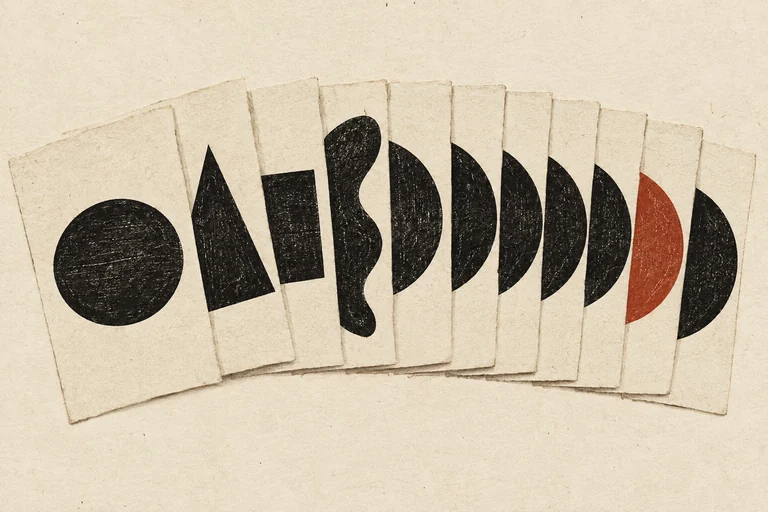
Better-rated stories, a narrower collective shelf.
Doshi and Hauser’s experiment separates individual evaluations from diversity across stories. That distinction is more useful than a general claim that AI makes writers either creative or uncreative.
2 sources · Source-based entry72Research note
Working reference
Working reference
 AI illustration
Editions & access
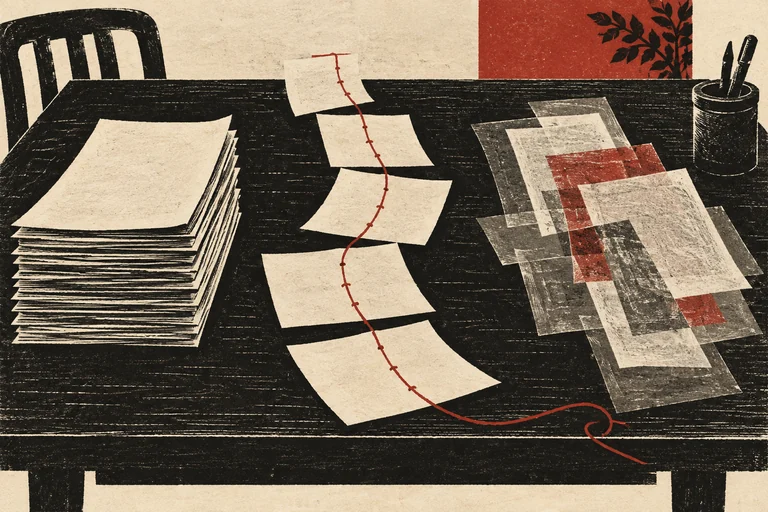
Three ways to turn the pages of Frankenstein.
A manuscript archive can offer physical order, reconstructed notebook order and narrative order. The Shelley-Godwin Archive makes those different routes visible rather than pretending they are interchangeable.
1 source · Source-based entry73Research note
Working reference
Working reference
Writing practice
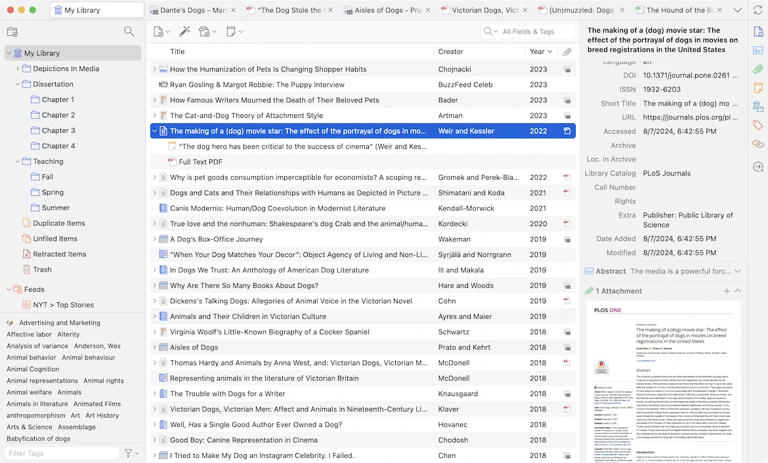
One source, several chapters: organizing a research library.
Collections and tags solve different problems. A practical source library keeps the identity of a document stable while allowing it to appear wherever the manuscript needs it.
1 source · Source-based entry74Reading list
Working reference
Working reference
 AI illustration
Story & form
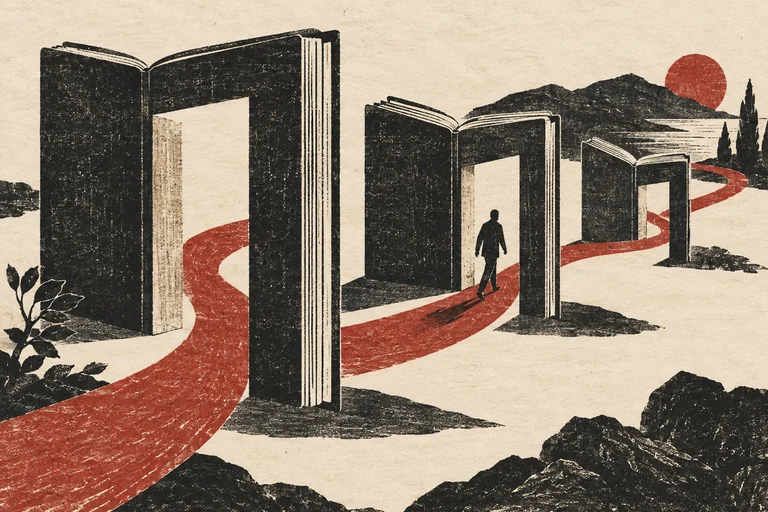
Three short openings about who gets to explain.
Read the beginnings of Bartleby, The Yellow Wallpaper and The Sisters together. Each makes access to another person’s experience a problem of narrative form.
3 sources · Source-based entry75Reading list
Working reference
Working reference
 AI illustration
Editions & access
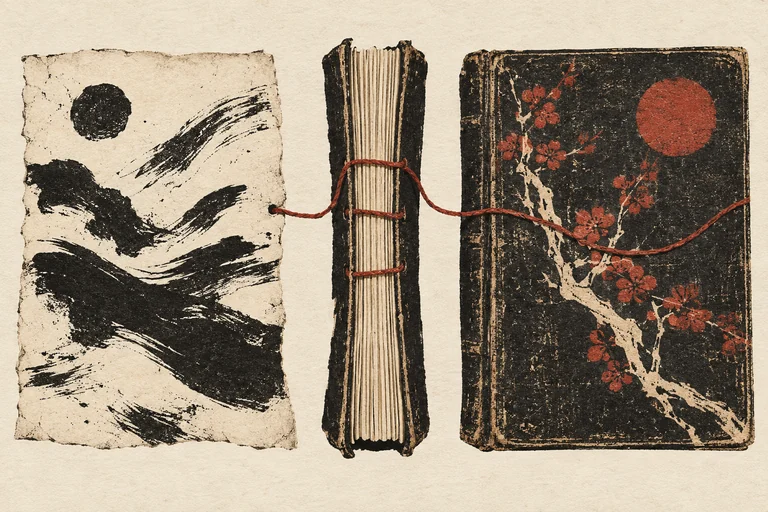
A reference shelf for text, edition and object.
Three kinds of record help a literary note stay precise: a readable text, an edition history and a physical object record. Use each for the question it can answer.
3 sources · Source-based entry76Reading list
Working reference
Working reference
 AI illustration
AI & authorship
Four primary readings for four AI questions.
Retailer disclosure, copyrightability, certification and evidence about detection belong on different shelves. This short reference route helps a writer consult the right source before answering.
4 sources · Source-based entry