Describe the deliverable
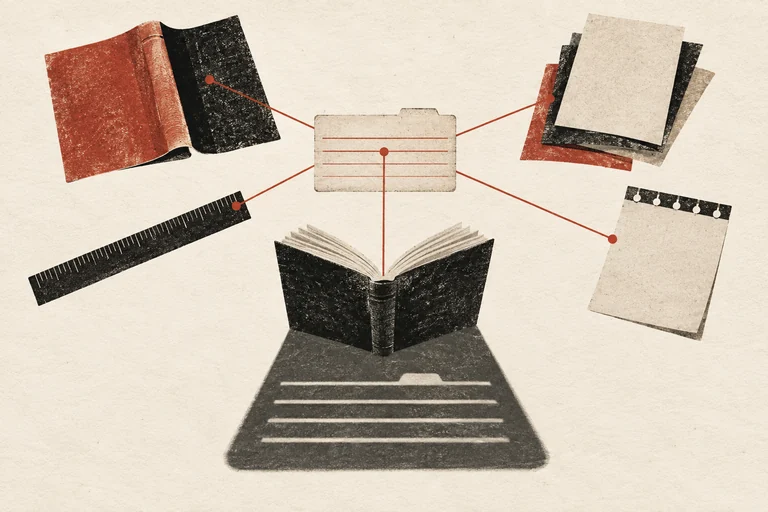
A scope sheet says what will be delivered, in what format, by when, and who approves it. “Edit the book” is not enough. For a developmental editor, specify manuscript version, word count, number of letters or calls, whether line editing is included, and the response period.
For a cover illustrator, identify trim, output files, credit, agreed concept stages, accessibility needs, and whether stock, fonts, or third-party elements require separate clearance.
State change control
Add a process for new chapters, late research, changed trim, or a second concept direction. The question is not whether change is allowed; it is who decides, how it affects time and fee, and what written approval looks like.
Keep authority legible
The Copyright Office notes that ownership and work-for-hire can have serious, fact-dependent consequences. Do not improvise rights language from a template. Preserve the signed agreement and make public credit match it.
Specific production checks
Run a boundary example before commissioning: if the author sends a new chapter after line edit, does the scope include it? If the cover designer receives a late title change, who adjusts the art and files? Write answers before work starts, not when goodwill is under strain.
Make acceptance concrete. A copyeditor may deliver a tracked manuscript and style sheet; an illustrator may deliver print-ready art plus agreed source files. A publisher should acknowledge receipt, review against scope, and close the project with the correct public credit.
When approval is delayed, state whether silence means acceptance or whether work remains open; ambiguity at this point creates avoidable disputes.
Sources & limits
This is editorial workflow guidance, not legal, contractual, financial, or platform-specific advice. Confirm current requirements for the actual project.
- Copyright Basics
U.S. Copyright Office · Source undated · Consulted 15 Sept 2026The Copyright Office says work-made-for-hire analysis is fact-specific and has serious consequences for ownership.
Send a correction with the passage and supporting source.