A UK court found narrow trademark harm, not training liability
Getty's copyright claims against Stability AI were abandoned before trial; only limited trademark claims succeeded.
- Historical event
- November 4, 2025
- First source published
- November 4, 2025
- Site publication
- September 18, 2026
The record
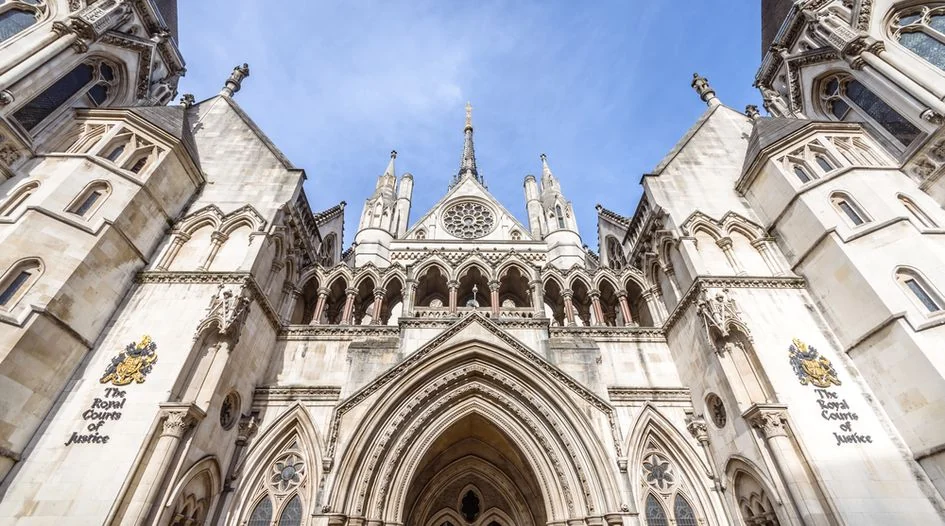
On 4 November 2025, Mrs Justice Joanna Smith of the England and Wales High Court, Business and Property Courts, handed down judgment in Getty Images v Stability AI, a case alleging copyright infringement, database right infringement, trade mark infringement and passing off over Stability's Stable Diffusion image model. The judgment records that the case was heard over eleven days in June 2025 and that, shortly before closing submissions, Getty Images abandoned the central claims that Stable Diffusion's training and development infringed its copyright works, because no evidence showed that training took place in the United Kingdom. An earlier ruling in the same case, dated 14 January 2025, records the litigation's procedural history, including an unsuccessful 2023 strike-out application by Stability.
What the documents show
The judgment's own conclusion states that Getty Images succeeded, "in part," only on a narrow trademark infringement claim, over synthetic watermarks resembling Getty's or iStock's marks generated by older versions of the model, and that the findings on that claim are "both historic and extremely limited in scope." It states plainly that the secondary copyright infringement claim, which argued the model itself was an infringing "article," failed, because a model that does not store or reproduce the copyright works is not an infringing copy under UK law. The court expressly declined to rule on the broader question the case was framed around, whether training an AI model on copyrighted images without permission infringes copyright, stating that this question was abandoned by the claimant and was therefore not one the court needed or was able to decide.
Why it stays interesting
This is an editorial note for publishers weighing comparable claims about text: the widely anticipated ruling on AI training and copyright did not, in the end, answer that question, because the claim raising it was withdrawn for lack of evidence about where training occurred, not decided against the claimant on the merits. A reader should not treat this judgment as UK authority that training an AI model on copyrighted text or images is lawful; the court says so itself, noting it can only rule on the narrower, diminished case that remained before it.
What to read next
The complaints filed in 2023 against OpenAI and Meta over the Books3 dataset raise a comparable training-data claim in a US court, under different law and on a different evidentiary record, and reading them alongside this UK judgment shows how the same underlying question can reach very different procedural fates in different jurisdictions.
- Why did Getty Images abandon its training and development claim, and what would a different evidentiary record about where training occurred have needed to show?
- What, precisely, did the court decide about trademark infringement, and how narrow are the specific generated images the ruling addresses?
- What consequential orders, referenced in the judgment as still to come, might follow from this ruling in later hearings?
A judgment can be extensively covered as a verdict on AI training while stating, in its own conclusion, that it decided no such thing, and the difference matters to anyone citing this case for more than it holds.
Sources & reading trail
The court's own findings, including the abandonment of the training claim and the limited trademark holding.
Source published: 4 November 2025 · Retrieved: 16 September 2026
An earlier ruling in the same proceedings, giving the case's procedural background and prior strike-out application.
Source published: 14 January 2025 · Retrieved: 16 September 2026
Reports, filings, records and studies establish the entry; the reading of why it stays interesting is Chapter Ledger editorial analysis. This retrospective draft does not imply the site published on the event date.
Continue reading
- Two lawsuits named a shadow library as an AI training source
- Seventeen novelists sued an AI company as a proposed class
- A copyright report left AI authorship a case-by-case question
- Browse the complete the ledger archive
Sources & reading trail
- Getty Images v Stability AI, Judgment ([2025] EWHC 2863 (Ch))
Source published: November 4, 2025 · Retrieved: September 16, 2026 - Getty Images and others v Stability AI, Judgment ([2025] EWHC 38 (Ch))
Source published: January 14, 2025 · Retrieved: September 16, 2026
The documents above establish the record. The reading and the questions are this publication’s editorial analysis, written after the fact.
Published September 18, 2026, not on the date of the event described.